
Dr. Satish Bhagwat
About Me
Dr. Satish Bhagwat
MBBS
Pathologist
10 Years Experience
Biography
My Clinic
OPD Hours
| Monday | Morning | 10:00 AM | - | 02:00 PM |
| Evening | 06:00 PM | - | 09:00 PM | |
| Tuesday | Morning | 10:00 AM | - | 02:00 PM |
| Evening | 06:00 PM | - | 09:00 PM | |
| Wednesday | Morning | 10:00 AM | - | 02:00 PM |
| Evening | 06:00 PM | - | 09:00 PM | |
| Thursday | Morning | 10:00 AM | - | 02:00 PM |
| Evening | 06:00 PM | - | 09:00 PM | |
| Friday | Morning | 10:00 AM | - | 02:00 PM |
| Evening | 06:00 PM | - | 09:00 PM | |
| Saturday | Morning | 10:00 AM | - | 02:00 PM |
| Evening | 06:00 PM | - | 09:00 PM | |
| Sunday | Morning | 10:00 AM | - | 02:00 PM |
| Evening | 06:00 PM | - | 09:00 PM |
Services
Specialised care and treatments offered
URINE CYTOLOGY
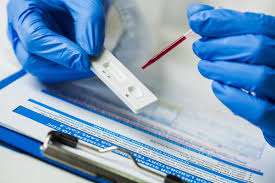
Urine cytology is a diagnostic procedure that evaluates cells found in urine. It's particularly useful for detecting urinary tract cancers at an early stage before more aggressive treatments become necessary.
- If patients notice symptoms such as bloody urine or frequent urination coupled with pain during urination consults may result in this examination being advised;
CYTOGENETIC STUDIES
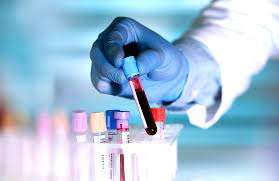
Cytogenetic studies analyze chromosomes in cells to detect genetic abnormalities associated with various diseases, particularly cancers. This sophisticated testing helps unravel complex genetic information crucial for targeted treatment plans.
- This type of study might be indicated when individuals present with unexplained syndromes or when there’s suspicion of hematological malignancies due to abnormal clinical assessments;
BLOOD SMEAR ANALYSIS
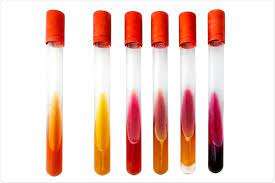
A blood smear analysis is a vital test that examines the blood cells' morphology under a microscope. It plays a key role in diagnosing various hematological disorders and assessing overall health status.
- Signs leading to this analysis often include anemia symptoms like fatigue or unexplained bruising that raise concern about blood cell levels and functionality.
- A healthcare professional will prepare a slide from blood samples collected via venipuncture before microscopic examination takes place for further evaluation and diagnosis of possible conditions such as leukemia or infections.
- Treatment approaches depend significantly on findings; they could range from lifestyle modifications to more intensive therapies like chemotherapy if malignancies are detected.
- This simple yet informative test can be completed rapidly with minimal discomfort during sample collection for patients; achieving results typically takes just hours.
This test serves as an essential tool for monitoring health and guiding appropriate interventions when abnormalities are detected。
MOLECULAR TESTING
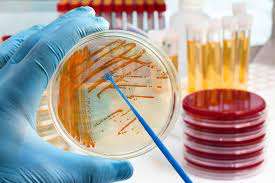
Molecular testing refers to techniques used to analyze genes and other molecules within cells. This advanced approach aids in understanding certain diseases at a molecular level, making it invaluable in personalized medicine.
- This type of testing is often triggered by chronic illnesses or unusual presentations that require specific insights into their genetic aspects.
- The diagnosis usually involves extracting samples from blood or tissues followed by advanced laboratory analyses.
- Management may include targeted therapies aimed at specific genetic mutations found during testing which can significantly improve treatment efficacy.
- The procedures are generally quick, and results can be obtained within days, aiding swift decision-making for ongoing treatment plans.
- Pain associated with sample collection is usually minimal, enhancing patient comfort throughout their care journey.
This innovative approach allows healthcare providers to offer customized treatment strategies based on individual patient profiles.
TISSUE BIOPSY
A tissue biopsy is a crucial diagnostic procedure where a small sample of tissue is removed for laboratory analysis. It assists in diagnosing various medical conditions, including infections and cancers.
- Common reasons for obtaining a biopsy include abnormal imaging results or persistent symptoms that suggest malignancy.
- The diagnosis process often starts with imaging studies, such as X-rays or MRIs, prior to performing the biopsy.
- Treatment will depend on biopsy findings; some may require surgical intervention, while others might only need observation or medication.
- The biopsy can be done in several ways: through suction methods or surgical excision, depending on the location and nature of the lesion.
- Patients generally experience minimal discomfort during this quick procedure; recovery time varies based on the method used.
This essential diagnostic tool provides critical information that shapes treatment plans effectively.
FINE NEEDLE ASPIRATION CYTOLOGY (FNAC)
Fine Needle Aspiration Cytology is a minimally invasive procedure used to diagnose various conditions, particularly those affecting the thyroid and lymph nodes. This technique involves using a thin, hollow needle to extract a small sample of tissue for examination under a microscope.
- Symptoms that may lead to this procedure include unexplained lumps or swollen areas, especially in the neck or armpits.
- Diagnosis typically involves conducting an ultrasound to guide the needle precisely into the mass.
- Treatment options may vary based on the cytology results, ranging from monitoring to surgical intervention if needed.
- The procedure is usually performed on an outpatient basis and has minimal recovery time, allowing patients to return to normal activities quickly.
- Patients can expect some minor discomfort at the site of aspiration, but serious complications are rare.
This safe and effective diagnostic tool helps in identifying potential health issues early on.