
Dr. Saurav Halder
About Me
Dr. Saurav Halder
MBBS
Family Physician
10 Years Experience
Biography
My Clinic
OPD Hours
| Monday | Morning | 10:00 AM | - | 02:00 PM |
| Evening | 06:00 PM | - | 09:00 PM | |
| Tuesday | Morning | 10:00 AM | - | 02:00 PM |
| Evening | 06:00 PM | - | 09:00 PM | |
| Wednesday | Morning | 10:00 AM | - | 02:00 PM |
| Evening | 06:00 PM | - | 09:00 PM | |
| Thursday | Morning | 10:00 AM | - | 02:00 PM |
| Evening | 06:00 PM | - | 09:00 PM | |
| Friday | Morning | 10:00 AM | - | 02:00 PM |
| Evening | 06:00 PM | - | 09:00 PM | |
| Saturday | Morning | 10:00 AM | - | 02:00 PM |
| Evening | 06:00 PM | - | 09:00 PM | |
| Sunday | Morning | 10:00 AM | - | 02:00 PM |
| Evening | 06:00 PM | - | 09:00 PM |
Treatments
Specialised care and treatments offered
IMMUNIZATION COUNSELING
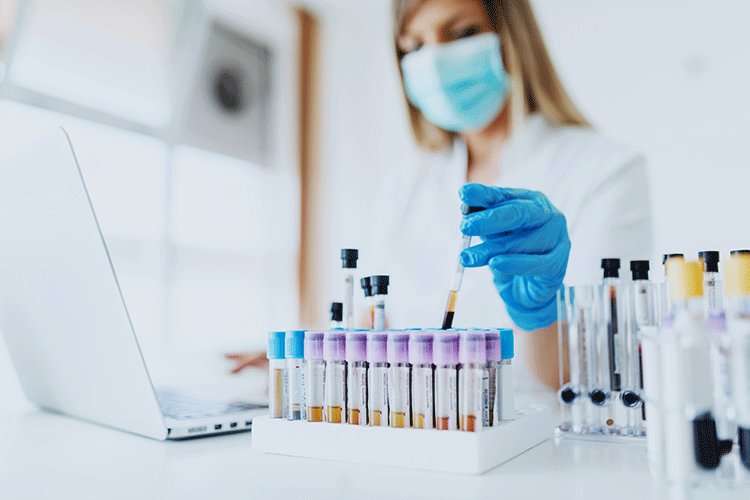
The importance of immunizations cannot be overstated when it comes to protecting yourself from preventable diseases. A family physician plays a key role in providing education about vaccines tailored for every age group—from infants to adults—to ensure community immunity through increased vaccination rates.
PREVENTIVE HEALTH CHECKUPS
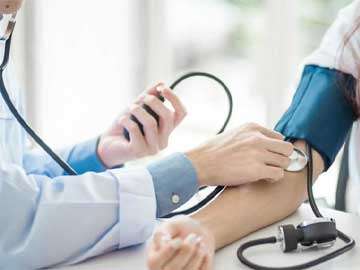
A preventive health checkup aims to identify potential health issues before they become serious problems. Regular visits foster partnerships between patients and family physicians that promote long-term health benefits.
This visit allows discussions about lifestyle choices that impact wellness.- Symptoms: There are generally no immediate symptoms unless underlying conditions exist that need attention.
- Diagnosis: Routine assessments often involve physical examinations complemented by blood tests that check various health markers.
- Treatment Options: Depending on findings from the evaluations, recommendations might include dietary suggestions , exercise regimens , vaccinations , or referrals for specialist consultations .
- What to Expect: The primary goal being early detection provides peace of mind while promoting healthier living practices – setting achievable goals together greatly improves patient engagement along needed journeys toward better overall well - being .
Making regular checkups part of your routine enhances opportunities for preventative care rather than reactive treatment later down the line!.
ACUTE RESPIRATORY INFECTIONS EVALUATION

A proper evaluation for acute respiratory infections (ARIs) ensures prompt diagnosis and management. These infections can affect your daily activities if not addressed timely.
- Symptoms: Common signs include cough, sore throat, fever, chills, muscle aches, and nasal congestion among others.
- Diagnosis: Typically involves a thorough history review followed by physical examinations; additional tests such as chest X-rays may be used if pneumonia is suspected.
- Treatment Options: Management revolves around symptom relief using over-the-counter medications; antibiotics might be prescribed if a bacterial infection is confirmed.
CHOLESTEROL LEVEL ASSESSMENT
An assessment of cholesterol levels helps in identifying the risk for heart disease. High cholesterol is often asymptomatic but poses significant health risks if left unchecked.
- Symptoms: There are usually no warning signs; however, extremely high levels can lead to complications like heart attacks or strokes.
- Diagnosis: A lipid panel test measures total cholesterol, LDL (bad cholesterol), HDL (good cholesterol), and triglycerides through a simple blood test.
- Treatment Options: Based on results, healthcare professionals may recommend lifestyle changes such as diet improvements and increased physical activity or medications like statins if necessary.
- What to Expect: Regular screenings every 4-6 years are advised for adults; adjustments in treatment may be required based on lifestyle changes or test outcomes.
This proactive evaluation plays an integral role in maintaining cardiovascular health and preventing severe heart conditions.
DIABETES SCREENING
Diabetes is a metabolic disorder characterized by high blood sugar levels over a prolonged period. Early detection through screening is vital in managing this condition effectively and preventing complications.
- Symptoms: Common symptoms include excessive thirst, frequent urination, fatigue, and blurred vision.
- Diagnosis: Screening typically involves fasting blood glucose tests or A1C tests to determine average blood sugar levels over the last few months.
- Treatment Options: Diabetes management may include dietary changes, physical activity enhancements, oral medications, or insulin therapy depending on the type of diabetes present.
- What to Expect: Continuous monitoring and regular check-ups are necessary for effective management and prevention of long-term complications associated with diabetes.
A proactive approach towards diabetes can significantly improve quality of life and reduce health risks.
HYPERTENSION MANAGEMENT
Hypertension, commonly referred to as high blood pressure, is a condition that often goes unnoticed due to its lack of symptoms. It is crucial for individuals to monitor their blood pressure regularly as uncontrolled hypertension can lead to severe health issues such as heart disease and stroke.
- Symptoms: Most individuals may not experience any symptoms; however, some may have headaches or shortness of breath.
- Diagnosis: Blood pressure is diagnosed using a sphygmomanometer; readings consistently above 130/80 mmHg indicate hypertension.
- Treatment Options: Management includes lifestyle changes such as diet and exercise, alongside medications like ACE inhibitors and diuretics.
- What to Expect: Regular monitoring and follow-ups are essential. Many patients will need adjustments in their treatment over time to achieve optimal control.
If managed properly, individuals with hypertension can lead a healthy life with minimal risks.