
DR. Sharif Khan
About Me
DR. Sharif Khan
B.P.T
Physiotherapist
10 Years Experience
Biography
My Clinic
OPD Hours
| Monday | Morning | 10:00 AM | - | 02:00 PM |
| Evening | 06:00 PM | - | 09:00 PM | |
| Tuesday | Morning | 10:00 AM | - | 02:00 PM |
| Evening | 06:00 PM | - | 09:00 PM | |
| Wednesday | Morning | 10:00 AM | - | 02:00 PM |
| Evening | 06:00 PM | - | 09:00 PM | |
| Thursday | Morning | 10:00 AM | - | 02:00 PM |
| Evening | 06:00 PM | - | 09:00 PM | |
| Friday | Morning | 10:00 AM | - | 02:00 PM |
| Evening | 06:00 PM | - | 09:00 PM | |
| Saturday | Morning | 10:00 AM | - | 02:00 PM |
| Evening | 06:00 PM | - | 09:00 PM | |
| Sunday | Morning | 10:00 AM | - | 02:00 PM |
| Evening | 06:00 PM | - | 09:00 PM |
Treatments
Specialised care and treatments offered
NEUROLOGICAL REHABILITATION
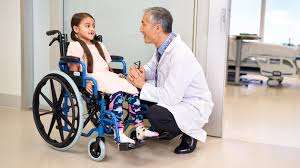
This specialized branch focuses on helping individuals recover from neurological disorders such as stroke or traumatic brain injury which impair mobility & cognitive functioning causing everyday interruptions greatly impairing lifestyles across age ranges..
- Symptoms typically feature loss/control coordination alongside observable weakness affecting one side one’s body presenting major challenges towards accomplishing simple moving tasks independently .
- Diagnosis incorporates multi-disciplinary evaluations ensuring all aspects surrounding patient centered-care are considered thus detailing specific deficits noticed beforehand leading formulation efforts upon intervention goals directed forward while considering timelines necessary achieving realistic targets based on evidence-based practices available today ! .
- Treatment protocols usually encompass customized therapeutic modalities ranging from traditional physiotherapy approaches encompassing balance/flexibility training addressing coordinated movements assisting overall ambulation effectiveness whereby helping restore independence gradually ); neuroplasticity principles underscoring these therapies could yield promising results if executed appropriately alongside gradual progression achieved overtime! .
With patience dedication seen numerous success stories emerge encouraging many embarking upon similar journeys toward reclaiming lost functions again finding freedom doing things previously enjoyed before occurrence disrupted normalcy observed earlier …
OSTEOARTHRITIS
The most common form of arthritis affects millions worldwide: osteoarthritis arises from wear-and-tear on joints leading them towards degeneration over time. Commonly impacted joints include knees,hands,and hips being pivotal sites where this condition manifests itself especially among older adults but increasingly occurs too among younger populations due largely factors like obesity & genetic predisposition .
- Symptoms typically comprise joint stiffness accompanied by swelling,pain after movement along with decreased range-of-motion capabilities making daily tasks challenging .
- Diagnosis requires clinical evaluations undertaken through radiological assessments revealing joint-space narrowing & bone spurs being typical indicators associated within osteoarthritic presentations .
- Management approaches hinge primarily upon establishing personalized rehabilitation plans containing targeted exercises enhancing joint mobility along with potential pharmacological interventions easing discomfort arising during flare-ups .
- In select severe cases when conservative measures fail,surgical consultation regarding joint replacement procedures might be warranted therefore assessing risks/rewards appropriately remains paramount throughout this process .
Consistently following an individualized program enables patients attain substantial enhancement regarding overall quality-of-life despite existing challenges posed against condition’s progression .
POSTURAL PROBLEMS

Poor posture is increasingly recognized as a contributing factor to various musculoskeletal issues. It involves slumping or misalignment of the spine due to habits developed over time—especially prevalent among those who spend long hours sitting at desks or using devices.
- Main symptoms can include chronic neck pain, tension headaches, and discomfort in the lower back region due to prolonged incorrect positioning.
- A physiotherapist conducts assessments focusing on posture evaluation alongside functional movement analysis for diagnosis purposes.
- Treatment typically consists of correctional exercises aimed at strengthening core muscles while improving flexibility through stretching routines tailored for individual needs.
- Integrating ergonomic adjustments into daily environments also plays crucial roles in managing this condition effectively.
- Continuous monitoring allows patients to observe improvements over time as they adopt healthier postural habits.
Many individuals find significant relief when they commit fully to their prescribed regimens.
SPORTS INJURIES

A wide range of injuries can occur while participating in sports activities. These injuries vary significantly depending on the type of sport and level of competition but often include sprains, strains, fractures, and tendon injuries.
- Common symptoms include sudden pain during activity, swelling around the affected area, and difficulty bearing weight or using the injured limb.
- A detailed history along with physical exams forms the basis for diagnosis; imaging techniques may assist in identifying the specific type of injury sustained.
- Treatment usually starts with rest followed by rehabilitation exercises designed to regain strength and flexibility in the area.
- The use of braces or supports might be recommended in some cases for added protection during recovery.
- An essential part of management is educating athletes about proper techniques to prevent future injuries.
With successful treatment plans in place, most athletes are able to resume their sports activities safely after adequate recovery periods.
TENDINITIS

Tendinitis is an inflammation or irritation of a tendon, often resulting from repetitive motion or overuse. This condition can affect various parts of the body, including the shoulders, elbows, knees, and ankles.
- The primary symptoms include pain at the affected site, swelling, and reduced range of motion.
- A thorough physical assessment by a healthcare professional usually leads to diagnosis; sometimes imaging is needed to rule out other injuries.
- Treatment typically involves rest, ice application to reduce inflammation, and tailored exercise programs to restore flexibility and strength.
- Advanced therapies like ultrasound or laser treatment may also be utilized to enhance recovery.
- Patients are encouraged to modify their activities to avoid exacerbating the condition during the healing phase.
With commitment to rehabilitation protocols, most individuals can achieve significant recovery and return to their regular activities without limitation.
LOWER BACK PAIN

Lower back pain is a common complaint that can affect individuals of all ages. It may arise from various causes including muscle strains, herniated discs, or underlying medical conditions.
- Symptoms often include persistent discomfort, stiffness, and limited mobility.
- Diagnosis typically involves a thorough physical examination and may require imaging studies such as X-rays or MRI.
- Treatment options commonly involve physical therapy, medication for pain relief, and lifestyle modifications to promote healing.
- In many cases, engaging in specific exercises under professional guidance can provide significant relief and prevent future episodes.
- A holistic approach may include complementary therapies like massage or acupuncture for additional support.
With appropriate management strategies, most individuals can expect improvement in symptoms and overall functionality over time.