
Dr. Shashank Gupta
About Me
Dr. Shashank Gupta
MD
Infectious disease specialists
10 Years Experience
Biography
My Clinic
OPD Hours
| Monday | Morning | 10:00 AM | - | 02:00 PM |
| Evening | 06:00 PM | - | 09:00 PM | |
| Tuesday | Morning | 10:00 AM | - | 02:00 PM |
| Evening | 06:00 PM | - | 09:00 PM | |
| Wednesday | Morning | 10:00 AM | - | 02:00 PM |
| Evening | 06:00 PM | - | 09:00 PM | |
| Thursday | Morning | 10:00 AM | - | 02:00 PM |
| Evening | 06:00 PM | - | 09:00 PM | |
| Friday | Morning | 10:00 AM | - | 02:00 PM |
| Evening | 06:00 PM | - | 09:00 PM | |
| Saturday | Morning | 10:00 AM | - | 02:00 PM |
| Evening | 06:00 PM | - | 09:00 PM | |
| Sunday | Morning | 10:00 AM | - | 02:00 PM |
| Evening | 06:00 PM | - | 09:00 PM |
Treatments
Specialised care and treatments offered
CHRONIC INFECTIOUS DISEASE CONSULTATION
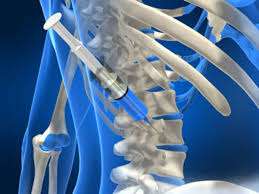
Managing chronic infectious diseases requires ongoing assessment tailored specifically towards patient needs across lifespan preferences focused accordingly within framework understood together between physician-patient relationship wise regularly monitored thereafter!
- Patients frequently experience multifaceted symptoms varying considerably across different underlying conditions throughout engagement themselves experienced episodic flareups given various factors implicating therein ;
- A detailed diagnostic evaluation incorporating comprehensive histories alongside physical examinations help identify core triggers facilitating necessary investigations focused accurately directing subsequent actions undertaken !;
- Treatment considerations encompass symptom alleviations combined uniquely holistic supporting modalities bridging gaps felt patients encounter day-to-day associated included – mental formalities exemplified e.g< bg=“red”>.;;
VECTOR-BORNE DISEASE MANAGEMENT

Vector-borne diseases such as malaria or dengue fever are transmitted through insect bites. Understanding prevention methods alongside timely interventions is crucial in managing these illnesses effectively.
- Symptoms may include high fever, chills, sweating, body aches depending specifically upon which vector-borne illness one contracts.;
- Diagnoses typically involve blood tests aiming at identifying pathogens involved - some may require serological testing too!;
- Management includes symptomatic relief using pain relievers while preventing complications when faced with severe manifestations.;
- Preventive measures like using mosquito nets & repellents become paramount especially living in endemic areas during peak seasonality!;
Proactive awareness allows communities at risk access guidance better able against assorted threats posed through vectors!
ANTIBIOTIC STEWARDSHIP EDUCATION

The rise of antibiotic resistance poses significant challenges in treating infectious diseases. Antibiotic stewardship focuses on optimizing antibiotic use to combat this issue effectively.
- Patients might experience adverse effects from misuse or unnecessary prescriptions leading to resistance issues in treatments later on.
- The importance of appropriate diagnosis—using cultures or sensitivity testing—must never be underestimated when prescribing antibiotics.
- Efficacies vary widely based on the specific bacteria causing infection; hence targeted therapy is critical for successful outcomes.
- Lifestyle tweaks such as maintaining hygiene practices can curtail needless infections requiring antibiotics at all; education forms an integral component here
- Continued communication with healthcare providers serves as an anchor for patients navigating their treatment options along with responsible usage guidance
Stewarding antibiotics wisely safeguards future effectiveness while promoting healthier communities overall by reducing resistances accrued from previous misapplications leading into renewed opportunities for advancement!
TUBERCULOSIS PREVENTION AND MANAGEMENT

Tuberculosis (TB) is a contagious bacterial infection primarily affecting the lungs but can impact other parts of the body. Timely intervention plays a key role in managing this disease effectively.
- Common symptoms include persistent cough, chest pain, weight loss, fever, and night sweats.
- A definitive diagnosis is made through skin tests, chest X-rays, or sputum samples examined for bacteria.
- Treatment usually involves a long course of antibiotics over several months to eliminate the infection completely.
- A strong emphasis on adherence to medication is essential for successful outcomes and preventing drug-resistant TB strains
- Lifestyle modifications such as adequate rest, nutrition support, and avoiding tobacco smoke complement medical treatments tallied under effective management strategies.
A proactive approach in TB care leads not only to personal health improvement but also helps in curbing its spread within communities.
VIRAL HEPATITIS CARE

Viral hepatitis represents a group of infections that affect liver function. Managing hepatitis effectively can prevent severe liver damage and improve overall health.
- The main symptoms include jaundice, fatigue, abdominal pain, and dark urine among others.
- Diagnosis is confirmed through blood tests which detect Antigens or Antibodies related to hepatitis viruses.
- Treatment varies depending on the type of hepatitis; antivirals may be prescribed for chronic cases while acute infections often resolve without medication.
- An emphasis on lifestyle changes like alcohol avoidance and maintaining a well-balanced diet is crucial.
- Continued monitoring through follow-up appointments ensures that liver health remains protected over time.
Early detection and appropriate care greatly enhance recovery prospects in individuals suffering from viral hepatitis.
HIV/AIDS MANAGEMENT

HIV/AIDS is a chronic condition that requires lifelong management to maintain health and prevent transmission. Effective treatment involves antiretroviral therapy (ART) which helps in controlling the virus and improving the quality of life.
- Symptoms can include fatigue, rapid weight loss, recurrent fever, and prolonged swelling of lymph nodes.
- Diagnosis typically involves blood tests, including CD4 count and viral load tests.
- Treatment options focus on ART regimens tailored to individual needs, aiming to keep the viral load undetectable.
- Patients are advised to maintain a healthy lifestyle, including balanced nutrition and regular exercise.
- Regular follow-ups are essential for monitoring progress and adjusting treatment as necessary.
With proper management, individuals with HIV can lead healthy lives while significantly reducing the risk of transmission to others.