
Dr. Siddharth Sharma
About Me
Dr. Siddharth Sharma
MBBS
General Physician
10 Years Experience
Biography
My Clinic
OPD Hours
| Monday | Morning | 10:00 AM | - | 02:00 PM |
| Evening | 06:00 PM | - | 09:00 PM | |
| Tuesday | Morning | 10:00 AM | - | 02:00 PM |
| Evening | 06:00 PM | - | 09:00 PM | |
| Wednesday | Morning | 10:00 AM | - | 02:00 PM |
| Evening | 06:00 PM | - | 09:00 PM | |
| Thursday | Morning | 10:00 AM | - | 02:00 PM |
| Evening | 06:00 PM | - | 09:00 PM | |
| Friday | Morning | 10:00 AM | - | 02:00 PM |
| Evening | 06:00 PM | - | 09:00 PM | |
| Saturday | Morning | 10:00 AM | - | 02:00 PM |
| Evening | 06:00 PM | - | 09:00 PM | |
| Sunday | Morning | 10:00 AM | - | 02:00 PM |
| Evening | 06:00 PM | - | 09:00 PM |
Treatments
Specialised care and treatments offered
ALLERGY TESTING
An allergy test identifies substances that trigger allergic reactions in individuals. Knowing what you're allergic to plays an important role in managing symptoms effectively!
- Types : Skin tests expose skin surface directly while serum IgE testing looks at blood samples identifying specific sensitivities .
- Common Allergens : Pollen , pet dander , certain foods like nuts etc., mold spores among others make up typical triggers .
- Diagnosis : Comprehensive evaluations through both history review & testing provide insights confirming each suspected allergen .
- Management Options : Evitating confirmed culprits along antihistamines provides relief ; subcutaneous immunotherapy could also desensitize severe responses based upon need !
- What To Expect : Your doctor will work closely during testing phase ensuring comfort along education about future avoidance steps post results obtained !
The results will guide personalized recommendations allowing patients live life free from unexpected allergic episode occurrences !
GASTROESOPHAGEAL REFLUX DISEASE (GERD) MANAGEMENT

This digestive disorder occurs when stomach acid frequently flows back into the esophagus. Effective management can help alleviate discomfort and prevent long-term damage to the esophagus lining.<
The main cause includes relaxation of lower esophageal sphincter during meals. Symptoms may vary from heartburn after eating to difficulty swallowingand sore throat.
ROUTINE HEALTH CHECK-UPS
A routine health check-up involves comprehensive assessments aimed at early detection of potential health issues. Regular visits are crucial even when one feels healthy.
- Purpose: These visits help identify risk factors like high cholesterol or hypertension early on before severe complications occur.
- Covers: Evaluations typically involve blood tests, physical exams including vital signs checks like blood pressure, weight assessments and preventive screenings based on age/gender guidelines.
ASTHMA MANAGEMENT
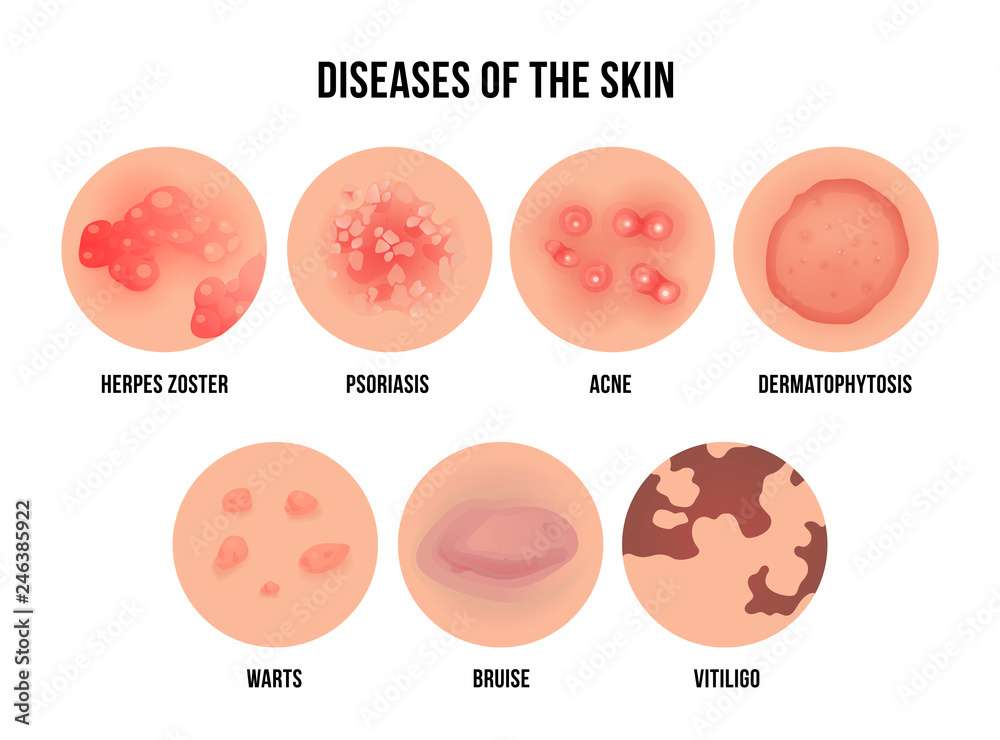
Asthma is a chronic respiratory condition characterized by inflammation and narrowing of the airways. Proper management is essential for maintaining quality of life.
- Symptoms: Symptoms may include wheezing, coughing, chest tightness, and difficulty breathing.
- Causes: Triggers can include allergens like pollen or dust mites, tobacco smoke, pollution, or exercise-induced factors.
- Diagnosis: A lung function test (spirometry) helps assess how well your lungs are working based on airflow measurements.
- Treatment options: Medications including inhalers (bronchodilators), corticosteroids for inflammation control, and avoiding triggers are key strategies in asthma care.
DIABETES MANAGEMENT

Diabetes is a chronic condition that affects how your body processes sugar (glucose). It's critical to manage diabetes effectively to avoid complications such as neuropathy or cardiovascular disease.
- Symptoms: Increased thirst, frequent urination, fatigue, and blurred vision are common signs.
- Causes: Type 1 diabetes results from an autoimmune response, while Type 2 diabetes often relates to obesity and inactivity.
- Diagnosis: Blood tests measuring glucose levels can confirm the presence of diabetes.
- Treatment options: Insulin therapy for Type 1 diabetes and lifestyle adjustments along with medications for Type 2 are essential components of diabetes management.
- What to expect: Continuous monitoring of blood sugar levels is critical to maintain optimal health.
A comprehensive approach involving care coordination with healthcare providers enhances outcomes for those with diabetes.
HYPERTENSION MANAGEMENT
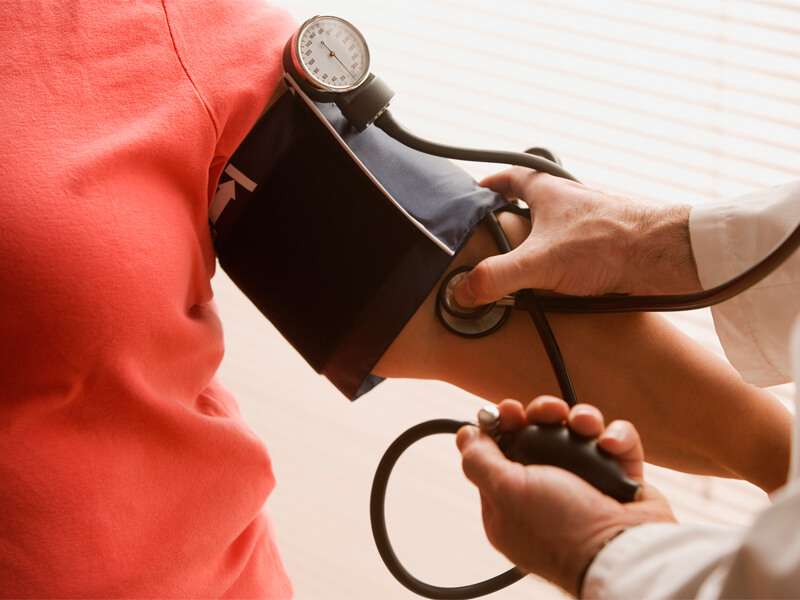
Hypertension, or high blood pressure, is a common condition that can lead to serious health issues if not managed properly. It often develops over many years and may go unnoticed until complications arise.
- Symptoms: Often asymptomatic, but can include headaches, shortness of breath, and nosebleeds.
- Causes: Factors include genetics, poor diet, physical inactivity, and stress.
- Diagnosis: Blood pressure readings are taken using a sphygmomanometer; multiple readings may be necessary for an accurate diagnosis.
- Treatment options: Lifestyle changes such as a healthier diet, regular exercise, and medications like ACE inhibitors or diuretics can help manage the condition.
- What to expect: Regular monitoring and follow-ups are essential to ensure blood pressure remains in the target range.
Effective management of hypertension is crucial to reduce the risk of heart disease and stroke.