
Dr. Soniu Kushwaha
About Me
Dr. Soniu Kushwaha
B.P.T
Physiotherapist
10 Years Experience
Biography
My Clinic
OPD Hours
| Monday | Morning | 10:00 AM | - | 02:00 PM |
| Evening | 06:00 PM | - | 09:00 PM | |
| Tuesday | Morning | 10:00 AM | - | 02:00 PM |
| Evening | 06:00 PM | - | 09:00 PM | |
| Wednesday | Morning | 10:00 AM | - | 02:00 PM |
| Evening | 06:00 PM | - | 09:00 PM | |
| Thursday | Morning | 10:00 AM | - | 02:00 PM |
| Evening | 06:00 PM | - | 09:00 PM | |
| Friday | Morning | 10:00 AM | - | 02:00 PM |
| Evening | 06:00 PM | - | 09:00 PM | |
| Saturday | Morning | 10:00 AM | - | 02:00 PM |
| Evening | 06:00 PM | - | 09:00 PM | |
| Sunday | Morning | 10:00 AM | - | 02:00 PM |
| Evening | 06:00 PM | - | 09:00 PM |
Treatments
Specialised care and treatments offered
POSTURE EVALUATION
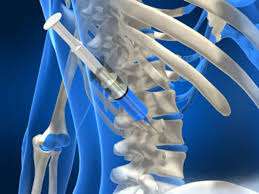
A posture evaluation helps identify misalignments that can lead to discomfort or chronic pain. Every individual’s posture influences how stress is distributed throughout their body; thus understanding it plays a critical role in preventative care efforts within physiotherapy contexts.
- Symptoms : Issues such as back pain headaches or fatigue frequently indicate underlying postural problems requiring attention.
- Assessment Techniques : Evaluations involve visual inspections alongside measurements taken using plumb lines or posture grids accurately determining alignment discrepancies among body segments including spine shoulder hips etc .
- Treatment Plans : Postural correction strategies often include strengthening exercises flexibility routines ergonomic adjustments made either at home work environments pursuing overall best practices .
This proactive approach aims not just toward attaining better postural integrity but also fostering long-lasting health benefits associated with improved alignment!
BALANCE ASSESSMENT

A balance assessment examines an individual's stability concerning static and dynamic activities. These evaluations are vital for seniors or patients recovering from injuries who may be at higher risk of falls or instability-related accidents.
- Indicators : Symptoms prompting these assessments can range from dizziness to previous fall incidents indicating potential balance issues.
- Testing Methods : Physiotherapists employ various techniques such as timed balance tests or single-leg stands during evaluations.
- Treatment Interventions : Results guide therapeutic exercises aimed explicitly at improving core strength and overall steadiness when performing daily tasks.
- Progress Monitoring : Frequent reassessments ensure ongoing adaptation of exercises to meet evolving needs while tracking improvements over time.
As a result of thorough balance assessments tailored programs enhance safety measures beneficially leading improved patient confidence throughout their daily endeavors.
FUNCTIONAL MOVEMENT SCREENING (FMS)

The Functional Movement Screening (FMS) is an assessment tool used by physiotherapists to evaluate movement patterns. It identifies limitations and asymmetries that could increase the risk of injury during physical activities.
- Evaluation Criteria: Participants undergo specific functional tests designed to assess strength, flexibility, and stability across various movements.
- Identifying Risks: Common issues uncovered include poor balance or compromised joint mobility that could predispose individuals to injury.
- Management : After screening, personalized exercises are prescribed focusing on correcting problematic movement patterns while enhancing performance capabilities.
- Follow-Up Assessments : Regular re-evaluations help gauge improvement over time while adapting ongoing therapy as necessary.
The FMS process ensures not only injury prevention but also promotes long-term functionality without sacrificing physical ability.
ELECTROMYOGRAPHY (EMG)

Electromyography (EMG) is a diagnostic test used to measure muscle response. It plays a crucial role in identifying neuromuscular disorders and assessing muscle function through electrical activity assessment.
- Signs & Symptoms: Patients may report muscle weakness, cramps, or spasms that prompt this testing.
- How It's Done: During an EMG test, small electrodes are inserted into the muscle tissue to detect electrical signals when muscles contract.
- Clinical Use: Results help diagnose conditions like carpal tunnel syndrome or peripheral neuropathies effectively based on nerve conduction studies included during testing.
- Your Role: Expect clear instructions from your physiotherapist regarding preparatory steps before undergoing EMG testing for optimal results.
The insights gained from EMG play a pivotal role in crafting targeted physiotherapeutic interventions aimed at enhancing muscle recovery and function over time.
GAIT ANALYSIS

An essential component in physiotherapy, gait analysis assesses an individual's walking patterns to identify abnormalities. Understanding these patterns can significantly aid in formulating effective treatment plans for various musculoskeletal issues.
- Identification: Common indicators of gait abnormality include limping or uneven weight distribution during walking.
- Diagnostic Tools: This analysis often involves video recording combined with motion sensors to capture real-time data on movement mechanics.
- Treatment Approaches: Based on findings, therapies may involve corrective braces or tailored exercise regimens to improve walking efficiency and reduce pain.
- Follow-Up: Regular assessments may be necessary to monitor progress and adapt treatment as needed.
The result of comprehensive gait analysis is a more personalized approach to physical rehabilitation for enhanced mobility and quality of life.
MUSCULOSKELETAL ULTRASOUND

Musculoskeletal ultrasound is a diagnostic imaging technique that helps visualize soft tissues, joints, and muscles in the body. This tool is particularly useful for assessing injuries or conditions affecting the musculoskeletal system.
- Symptoms: Patients may experience pain, swelling, or reduced range of motion in affected areas.
- Diagnosis: The ultrasound can reveal inflammation, tears, or other structural abnormalities within muscles and tendons.
- Treatment Options: Findings from the ultrasound guide treatment plans, which may include physical therapy, rest, or intervention techniques.
- Technique: The procedure is non-invasive and typically takes about 30 minutes to complete.
- Expectations: Patients generally feel no discomfort during the scan while receiving immediate visual feedback on their condition.
This technology not only facilitates accurate diagnoses but also aids physiotherapists in tailoring appropriate rehabilitation strategies for recovery.