
Dr. tahera Syed
About Me
Dr. tahera Syed
MD
Pathologist
10 Years Experience
Biography
My Clinic
OPD Hours
| Monday | Morning | 10:00 AM | - | 02:00 PM |
| Evening | 06:00 PM | - | 09:00 PM | |
| Tuesday | Morning | 10:00 AM | - | 02:00 PM |
| Evening | 06:00 PM | - | 09:00 PM | |
| Wednesday | Morning | 10:00 AM | - | 02:00 PM |
| Evening | 06:00 PM | - | 09:00 PM | |
| Thursday | Morning | 10:00 AM | - | 02:00 PM |
| Evening | 06:00 PM | - | 09:00 PM | |
| Friday | Morning | 10:00 AM | - | 02:00 PM |
| Evening | 06:00 PM | - | 09:00 PM | |
| Saturday | Morning | 10:00 AM | - | 02:00 PM |
| Evening | 06:00 PM | - | 09:00 PM | |
| Sunday | Morning | 10:00 AM | - | 02:00 PM |
| Evening | 06:00 PM | - | 09:00 PM |
Services
Specialised care and treatments offered
URINALYSIS
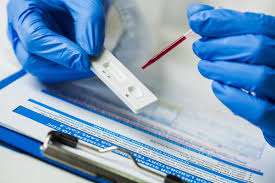
Urinalysis is one of the most common laboratory tests performed by pathologists. It involves analyzing urine samples for various substances that provide valuable insights into an individual's overall health status and detect diseases early on.
- Symptoms prompting this test: Signs like dark urine; frequent urination; pain during urination could indicate underlying kidney issues or infections needing exploration.
- Diagnostic evaluation process: Routine urinalysis examines physical properties (color/transparency), chemical composition (glucose/proteins), and microscopic elements (red blood cells/bacteria).
- Management implications: If abnormal findings arise—from infections requiring antibiotics—to chronic conditions necessitating lifestyle adjustments—prompt actions can greatly improve health outcomes over time!
- Expectation after testing: Results generally become available within 24 hours providing swift clarity enabling appropriate follow-up interventions if necessary!
By identifying anomalies early through routine urinalysis screenings physicians foster preventive care achieving enhanced wellness among patients long-term!
BREAST BIOPSY
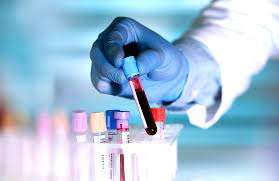
A breast biopsy is performed when there are abnormalities detected through imaging studies such as mammograms. This procedure allows pathologists to gain insights into whether these changes represent benign or malignant lesions in breast tissue.
- Symptoms: These may include palpable lumps, nipple discharge, or changes in breast shape/size that warrant further investigation.
- Diagnosis approach: Various types of breast biopsies exist—fine needle aspiration (FNA), core needle biopsy (CNB), or excisional biopsy—to retrieve tissue samples for detailed examination.
- Treatment pathways: The outcomes will inform potential next steps; benign findings might just require monitoring while malignant cases usually necessitate intervention like surgery or chemotherapy.
- What you should expect: While some localized discomfort can occur post-biopsy, most patients return home shortly after with clear follow-up instructions regarding care until results arrive within a week.
Regular screenings combined with biopsies ensure timely diagnoses aiding effective management plans tailored towards individual patient needs.
FINE NEEDLE ASPIRATION BIOPSY
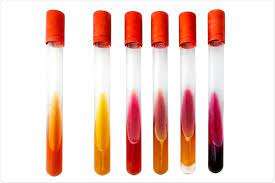
A fine needle aspiration biopsy (FNAB) is a minimally invasive technique used to obtain tissue samples from lumps or masses. The benefits of this method include reduced discomfort and quicker recovery times compared to traditional surgical biopsies.
- Symptoms: Patients might notice lumps on their body; these could manifest as swollen lymph nodes or nodules in organs like the thyroid gland.
- The diagnostic process:This involves inserting a thin needle into the suspicious area under ultrasound guidance; cell samples are then collected for analysis under a microscope.
- Treatment considerations:If malignancy is confirmed via FNAB, further treatment options such as surgery or medication will be discussed based on tumor type and stage.
- What to expect: Most patients report minimal discomfort during the procedure; results typically take several days.
FNAB offers an efficient means of diagnosing conditions while minimizing patient risk and discomfort.
COLONOSCOPY SCREENING

A colonoscopy is a critical procedure used to screen individuals for colorectal cancer and other gastrointestinal disorders. This test allows doctors to view the interior lining of the colon and rectum directly.
- Symptoms: Symptoms warranting this test may include changes in bowel habits, abdominal pain, bleeding, or unexplained weight loss.
- Diagnosis process: During the procedure, a flexible tube with a camera is inserted into the rectum; any suspicious polyps can also be removed and tested.
- Treatment management: If polyps are detected during screening, they can often be removed immediately; follow-up care will depend on findings during the exam.
- An important note:If no issues are found, it’s generally recommended to repeat screening every ten years unless other risk factors exist.
This life-saving procedure helps catch potential issues before they develop into serious health concerns by enabling proactive management strategies.
MOLECULAR TESTING
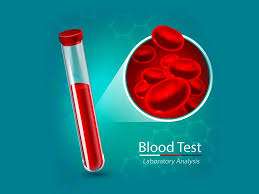
Molecular testing refers to various laboratory techniques used to analyze genetic material in order to diagnose diseases, including cancers. This advanced testing helps pathologists determine the specific characteristics of tumors at a molecular level.
- Symptoms: Symptoms vary widely based on the type of malignancy but may include unexplained weight loss, fatigue, and pain.
- How it is diagnosed: Samples from biopsies or fluids are analyzed using techniques such as PCR (polymerase chain reaction) or NGS (next-generation sequencing).
- Treatment options: Results can guide targeted therapies that specifically address genetic mutations found in tumors.
- What to expect: This testing can take several days; however, it is crucial for tailoring personalized treatment plans effectively.
Molecular testing enhances our understanding of an individual's cancer profile and informs treatment strategies that could improve outcomes.
PAP SMEAR
A Pap smear is a vital screening procedure used to detect precancerous and cancerous changes in the cervix. This test is crucial for early identification of cervical cancer, which can significantly increase treatment success rates.
- Symptoms: Often, there are no symptoms in the early stages of cervical abnormalities, which is why regular screening is essential.
- Diagnosis: A Pap smear involves collecting cells from the cervix using a small brush, which are then sent to a lab for cytological examination.
- Treatment options: Depending on results, further tests may be recommended, including HPV testing or colposcopy; treatments could involve monitoring or procedures to remove abnormal cells.
- What to expect: The procedure typically takes just a few minutes and may cause slight discomfort or pressure; results are usually available within a week.
Early detection through routine Pap smears remains one of the most effective methods for preventing cervical cancer.