
Dr. Tanuj Garg
About Me
Dr. Tanuj Garg
MBBS
General Physician
10 Years Experience
Biography
My Clinic
OPD Hours
| Monday | Morning | 10:00 AM | - | 02:00 PM |
| Evening | 06:00 PM | - | 09:00 PM | |
| Tuesday | Morning | 10:00 AM | - | 02:00 PM |
| Evening | 06:00 PM | - | 09:00 PM | |
| Wednesday | Morning | 10:00 AM | - | 02:00 PM |
| Evening | 06:00 PM | - | 09:00 PM | |
| Thursday | Morning | 10:00 AM | - | 02:00 PM |
| Evening | 06:00 PM | - | 09:00 PM | |
| Friday | Morning | 10:00 AM | - | 02:00 PM |
| Evening | 06:00 PM | - | 09:00 PM | |
| Saturday | Morning | 10:00 AM | - | 02:00 PM |
| Evening | 06:00 PM | - | 09:00 PM | |
| Sunday | Morning | 10:00 AM | - | 02:00 PM |
| Evening | 06:00 PM | - | 09:00 PM |
Treatments
Specialised care and treatments offered
ANEMIA EVALUATION
Anemia is a condition characterized by insufficient red blood cells to carry adequate oxygen throughout the body. Understanding its underlying causes assists in determining the right course of treatment based on evaluation findings.
- Main Symptoms: Fatigue, weakness & pale skin are typical signs indicating anemia might be present.
- Causative Factors: Iron deficiency due to poor dietary intake or chronic conditions contributes significantly.
- A Comprehensive Diagnosis: The evaluation includes complete blood counts along with iron studies allowing practitioners insight into specific types affecting patient health directly.
- Treatment Approaches: This might entail iron supplements along with dietary modifications emphasizing foods rich in iron content & vitamins aiding absorption.
- Your Journey: An ongoing follow-up schedule supports recovery efforts ensuring improvements noted during subsequent evaluations performed adequately reflecting progress achieved regularly!
Easily correctable when caught on time leads towards replenishing energy reserves needed ultimately improving life quality overall!
INFECTIOUS DISEASE ASSESSMENT

An assessment for infectious diseases involves evaluating various symptoms that could suggest infection by viruses, bacteria, or parasites. Timely diagnosis is key in managing these conditions effectively to ensure proper treatment is administered as needed.
- Common Symptoms: Fever, chills, fatigue or unexplained pain are frequently reported by patients experiencing an infection.
- Diagnostic Approach: Medical history review followed by diagnostic tests such as blood cultures or imaging studies help identify infections accurately.
- Treatment Options: Depending on pathogen type; antibiotics may be prescribed for bacterial infections while antiviral medications target viral causes.
- What Patients Can Expect: Guidance regarding recovery processes alongside possible side effects from medications prescribed will be provided during follow-up consultations.
Accurate assessments enhance treatment efficacy resulting in quicker recoveries from infectious diseases encountered regularly within various communities.
THYROID FUNCTION TESTS

The thyroid gland plays a vital role in regulating metabolism and energy levels. Disorders such as hyperthyroidism or hypothyroidism can disrupt bodily functions if not diagnosed early through appropriate testing.
- Main Symptoms: Unexplained weight changes, mood fluctuations, hair loss or fatigue can indicate thyroid dysfunctions.
- Causal Factors: Autoimmune diseases like Graves' disease or Hashimoto's thyroiditis commonly influence thyroid function disorders.
- Diagnosis: Blood tests that measure Thyroid Stimulating Hormone (TSH) alongside T3 and T4 hormones confirm thyroid issues.
- Treatment Methods: Depending on diagnosis; treatment options include medication for hormone regulation or radioactive iodine therapy.
Regular monitoring ensures optimal thyroid health and overall well-being moving forward.
CHOLESTEROL TESTING
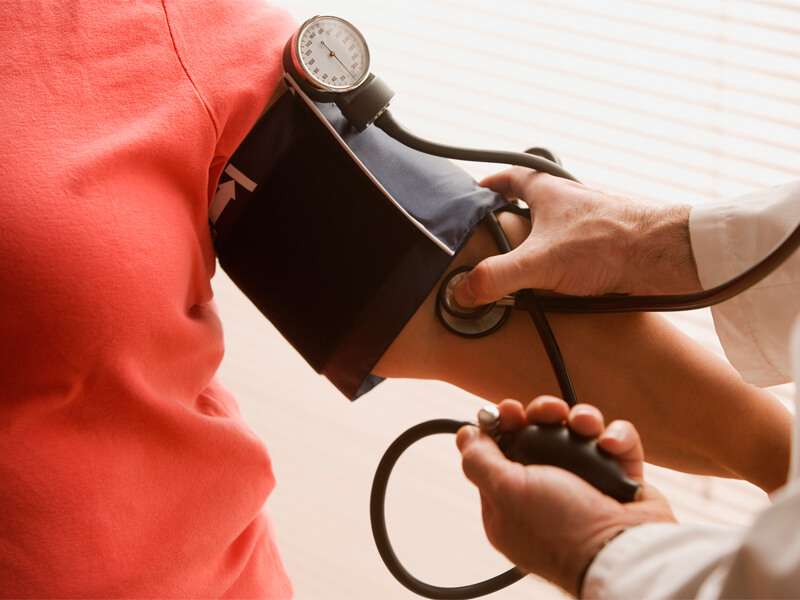
Total cholesterol levels provide important insights into cardiovascular health. Elevated levels can lead to heart disease if left untreated, making testing crucial for identifying risk factors early on.
- The Importance: High cholesterol often has no clear symptoms but can contribute to blockages in arteries over time.
- Causative Factors: Poor diet, lack of physical activity, smoking habits contribute to increased cholesterol levels.
- How Diagnosis Occurs: A simple blood test measures cholesterol levels; it’s recommended every 4-6 years for adults over 20 years old.
- Treatment Strategies: Lifestyle modifications including diet changes and increased exercise are first-line treatments; statins or other medications might be needed too.
A comprehensive approach helps manage cholesterol levels effectively and reduces the risk of heart-related issues significantly.
DIABETES SCREENING

Diabetes is a chronic condition that affects how the body processes blood sugar (glucose). Early detection through screening is vital to prevent complications associated with unmanaged diabetes.
- Symptoms: Increased thirst, frequent urination, extreme fatigue, and blurred vision are common indicators.
- Risk Factors: Obesity, age over 45 years, family history of diabetes can increase risk significantly.
- Diagnosis: Screening can be done using fasting blood glucose tests or A1C tests during routine check-ups.
- Treatment Options: Lifestyle changes such as healthy eating and regular physical activity are essential; medication may also be required for some patients.
- Follow-Up: Regular monitoring of blood glucose levels ensures effective management of the condition.
Taking proactive steps in screening can lead to better management of diabetes and an improved quality of life.
HYPERTENSION MANAGEMENT
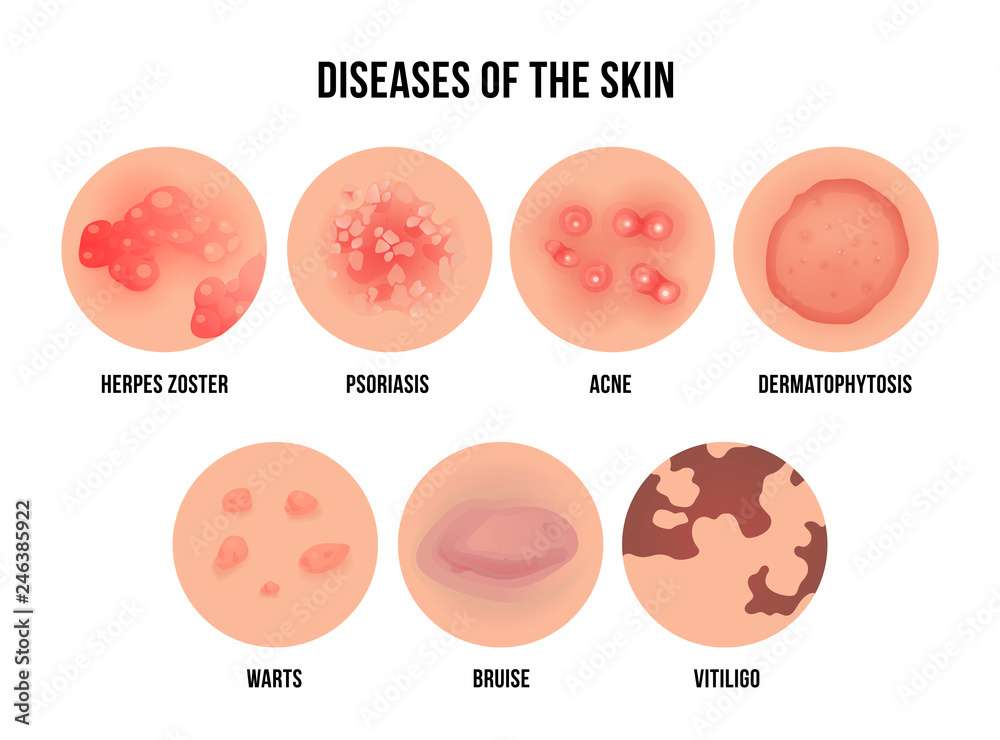
Hypertension, or high blood pressure, is a common yet serious condition affecting many adults. It often goes unnoticed as it typically does not present noticeable symptoms, making regular monitoring essential.
- Symptoms: Most individuals may not experience symptoms, but some may have headaches or nosebleeds in severe cases.
- Causes: Factors include genetics, obesity, high salt intake, and sedentary lifestyle.
- Diagnosis: Blood pressure readings taken during regular check-ups are crucial for diagnosis.
- Treatment: Management may involve lifestyle changes like diet and exercise along with medications when necessary.
- What to Expect: Regular follow-up visits will help monitor blood pressure levels and adjust treatments accordingly.
Aim for a healthy lifestyle to manage hypertension effectively and reduce complications over time.
FAQs
What factors increase my risk for infectious diseases?
Can stress impact my overall health?
When should I get my thyroid checked?
How long does it take to treat anemia?
Treatment duration varies based on severity but generally requires several months to replenish iron stores adequately while monitoring hemoglobin levels as part of standard care.
Are there any preventive measures against hypertension?
Yes! Maintaining a healthy weight through diet and exercise along with regular monitoring of blood pressure helps prevent hypertension effectively.