
Dr. Vikram Veer
About Me
Dr. Vikram Veer
MBBS
Podiatrist
10 Years Experience
Biography
My Clinic
OPD Hours
| Monday | Morning | 10:00 AM | - | 02:00 PM |
| Evening | 06:00 PM | - | 09:00 PM | |
| Tuesday | Morning | 10:00 AM | - | 02:00 PM |
| Evening | 06:00 PM | - | 09:00 PM | |
| Wednesday | Morning | 10:00 AM | - | 02:00 PM |
| Evening | 06:00 PM | - | 09:00 PM | |
| Thursday | Morning | 10:00 AM | - | 02:00 PM |
| Evening | 06:00 PM | - | 09:00 PM | |
| Friday | Morning | 10:00 AM | - | 02:00 PM |
| Evening | 06:00 PM | - | 09:00 PM | |
| Saturday | Morning | 10:00 AM | - | 02:00 PM |
| Evening | 06:00 PM | - | 09:00 PM | |
| Sunday | Morning | 10:00 AM | - | 02:00 PM |
| Evening | 06:00 PM | - | 09:00 PM |
Treatments
Specialised care and treatments offered
INGROWN TOENAILS
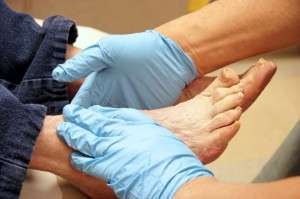
An ingrown toenail occurs when the edge of a toenail grows into surrounding skin leading to inflammation and infection. This issue often arises from improper nail trimming techniques or ill-fitting shoes:
.- < li>< strong>> Symptoms>: Painful swelling at one side of toe accompanied by redness may become evident as pressure increases on affected area.< ; li >& lt ; strong >& gt ; Diagnostic Measures & lt ; / strong & gt ; : Careful inspection usually suffices for diagnosing with potential need for imaging if severe infection suspected leading into deeper tissues.< ; li >& lt ; strong >& gt ; Treatment Methods & lt ; / strong & gt ; : Soaking feet regularly combined with careful nail trimming helps alleviate discomfort while antibiotics might be prescribed under specific circumstances if there's concern regarding infection risk.< ; li >& lt ; strong >& gt ; Expected Outcome & lt ; / strong & gt ; : Early intervention often prevents complications helping maintain optimal toenail health going forward.
Prioritizing proper grooming practices helps avert this painful occurrence entirely.
BUNIONS (HALLUX VALGUS)
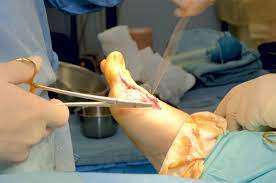
Bunions are bony bumps that form at the base joint of your big toe due to misalignment. They can cause discomfort and affect mobility if left untreated over time.
- Main Symptoms: People often experience swelling at the joint, redness, pain while walking or wearing shoes that fit too snugly around this area.
- Diagnosis Process : A comprehensive evaluation usually includes physical examination and X-rays to evaluate joint alignment.
- Treatment Options : Early intervention may involve cushioning pads, orthotic supports, modifying footwear choices along with targeted exercises for better range-of-motion.
- Prognosis : Many find relief from non-surgical methods but advice about proper shoe styles remains crucial even post-treatment.
Addressing bunions early on promotes greater comfort when walking regularly.
NEUROMA (MORTON'S NEUROMA)
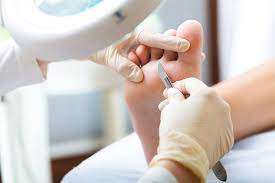
Morton's neuroma is a painful condition caused by a thickening of tissue around one of the nerves leading to your toes. It is often associated with high heels or tight footwear that compresses these areas.
- Main Symptoms: Patients commonly report sharp pain in the ball of their foot or a burning sensation that radiates towards their toes.
- Diagnosis Techniques: The diagnosis is clinically based on patient history and physical examination; sometimes an ultrasound may be employed for confirmation.
- Treatment Approaches: Initial treatments include changing footwear, using padding or orthotics; corticosteroid injections could be considered for persistent cases as well.
- Expected Outcomes: Most patients see improvement with conservative measures; surgery might be considered only after all non-invasive options have been exhausted.
An understanding of proper footwear choices plays a crucial role in managing symptoms effectively.
FLATFOOT (PES PLANUS)
Flatfoot, or pes planus, occurs when the arches of your feet collapse, causing them to lie flat on the ground. This condition can lead to discomfort and complications if not managed properly.
- Symptoms: Individuals may experience foot fatigue, swelling along the arch area, and pain in other regions such as knees or hips due to altered gait mechanics.
- Diagnostic Methods: A comprehensive assessment including physical examinations and possibly imaging studies helps determine severity and underlying causes.
- Treatment Options: Conservative options include supportive footwear, custom orthotics, and specific exercises aimed at strengthening foot muscles.
- Long-term Management: Many individuals find relief through lifestyle changes; education about body mechanics becomes critical for ongoing success.
Catching this early can help prevent further complications down the line.
ACHILLES TENDINITIS
Achilles tendinitis is an overuse injury affecting the Achilles tendon, which connects your calf muscles to your heel bone. This condition often results from repetitive stress on the tendon.
- Symptoms: Common symptoms include pain along the back of the ankle, stiffness, especially in the morning or after resting.
- Diagnosis: A thorough clinical evaluation and imaging tests like ultrasound can help confirm the diagnosis and assess damage to the tendon.
- Treatment Strategies: Resting and applying ice can reduce inflammation. Gentle stretching exercises and footwear modifications are also key management strategies.
- Recovery Expectation: Most patients improve significantly with conservative treatments; however, it’s important to follow a gradual return-to-activity program to prevent re-injury.
A proactive approach is essential for effective management of this condition.
PLANTAR FASCIITIS
Plantar fasciitis is a common condition characterized by pain in the heel and bottom of the foot. It occurs due to inflammation of the plantar fascia, a thick band of tissue that runs across the bottom of your foot.
- Symptoms: The most common symptom is sharp pain near the heel, especially after long periods of rest or during the first steps in the morning.
- Diagnosis: Diagnosis typically involves a physical examination and may include imaging tests like X-rays to rule out other conditions.
- Treatment Options: Management may include stretching exercises, orthotic devices, and anti-inflammatory medications. Physical therapy can also be beneficial.
- What to Expect: With appropriate treatment, most individuals experience improvement within several months, although chronic cases may take longer to resolve.
Early intervention and adherence to treatment plans are essential for recovery from this condition.