
Dr. Vineet Verma
About Me
Dr. Vineet Verma
MBBS
General Physician
10 Years Experience
Biography
My Clinic
OPD Hours
| Monday | Morning | 10:00 AM | - | 02:00 PM |
| Evening | 06:00 PM | - | 09:00 PM | |
| Tuesday | Morning | 10:00 AM | - | 02:00 PM |
| Evening | 06:00 PM | - | 09:00 PM | |
| Wednesday | Morning | 10:00 AM | - | 02:00 PM |
| Evening | 06:00 PM | - | 09:00 PM | |
| Thursday | Morning | 10:00 AM | - | 02:00 PM |
| Evening | 06:00 PM | - | 09:00 PM | |
| Friday | Morning | 10:00 AM | - | 02:00 PM |
| Evening | 06:00 PM | - | 09:00 PM | |
| Saturday | Morning | 10:00 AM | - | 02:00 PM |
| Evening | 06:00 PM | - | 09:00 PM | |
| Sunday | Morning | 10:00 AM | - | 02:00 PM |
| Evening | 06:00 PM | - | 09:00 PM |
Treatments
Specialised care and treatments offered
ALLERGIES
An allergy occurs when the immune system reacts abnormally to substances known as allergens. People may develop allergies at any age; recognizing triggers leads to effective treatment plans tailored individually!
- Sensitivity Symptoms :The common signs range from sneezing & itching eyes through skin rashes or digestive disturbances based on allergen types encountered!< Li Create Good Environment : Strong>This entails reducing exposure by keeping homes clean/ventilated while getting rid of dust mites/pet dander/etc. ! < Li Treatment Options : Strong>An array exists from antihistamines/creams targeted symptom relief plus immunotherapy aiming long-term desensitization against triggers too! < Li Coping Strategies : Strong>Your healthcare provider will recommend personalized plans incorporating avoidance tips coupledwithmedicationbasedontheindividual’sspecificneeds.* Overall Awareness:* Understand your allergy profile ensures prompt intervention whenever necessary!
Efficaciousmanagementcantransformlifestyleoutcomeswithoutsignificantinterruption!!!
GASTROENTERITIS

Gastroenteritis refers to inflammation of the stomach and intestines resulting in diarrhea and vomiting. This condition can affect anyone but is particularly concerning in young children due to dehydration risks.
- Symptoms: Individuals commonly experience diarrhea , abdominal cramps , nausea , vomiting & low-grade fever .
- Causes: Viral infections (like norovirus) are prevalent causes though bacteria & parasites also contribute significantly .
- Diagnosis: In many cases simple medical history discussions alongside stool tests help determine specific causative agents when needed .
- Treatment: Focus on staying hydrated through oral rehydration solutions & perhaps adjusting diet toward bland foods until recovery occurs. Severe cases might necessitate medications under physician's guidance .
- Prevention: Practicing proper hygiene including thorough handwashing & safe food handling greatly reduces transmission rates!
The majority recover fully within days; however potential complications warrant immediate consultation if severe symptoms arise!
COMMON COLD
The common cold is an upper respiratory tract infection caused by various viruses. While it is generally mild in nature compared to other illnesses like influenza or COVID-19, understanding its symptoms helps in managing it effectively.
- Symptoms: Sneezing , sore throat , runny nose , cough , and mild headache are frequently experienced during this illness .
- Transmission: Colds spread through respiratory droplets when an infected person sneezes or coughs ; direct contact with contaminated surfaces also plays a role .
- Diagnosis: In most cases , colds are diagnosed based on observed symptoms without the need for extensive testing .
- Treatment: Rest , hydration , over-the-counter remedies like pain relievers , decongestants , or antihistamines help alleviate symptoms .
- Prevention: Regular handwashing , avoiding close contact with sick individuals , along with vaccination against flu helps lower risk .
Although inconveniencing , most colds resolve within a week ; symptom management significantly aids comfort during recovery!
ASTHMA
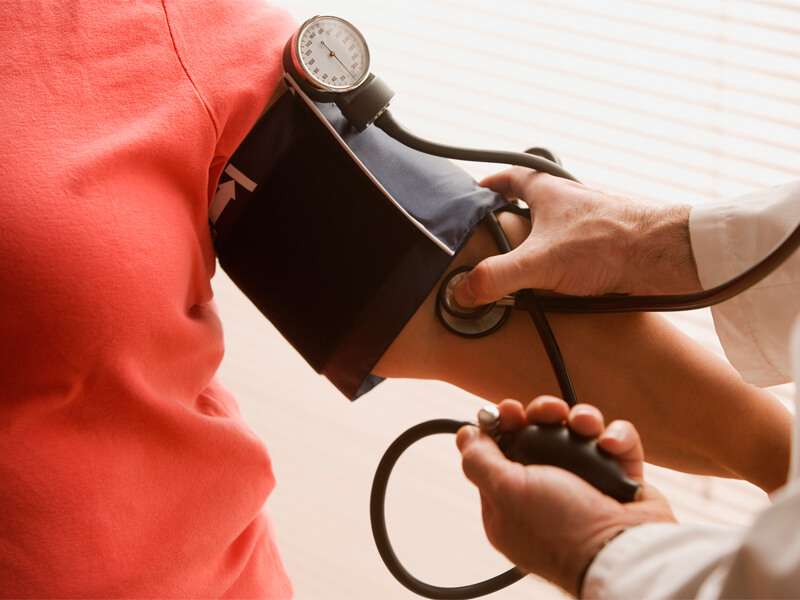
Asthma is a chronic respiratory condition characterized by inflammation and narrowing of the airways. It affects individuals of all ages and requires careful management for symptom control.
- Symptoms: Typical manifestations include wheezing, coughing (especially at night), shortness of breath, and chest tightness during physical activity or exposure to allergens.
DIABETES MELLITUS
Diabetes mellitus is a chronic condition that affects how the body processes glucose. It can lead to serious complications if not managed effectively, requiring lifelong attention.
- Types: The two main types are Type 1 (insulin-dependent) and Type 2 (more common), which usually relates to lifestyle factors.
- Symptoms: Common signs include increased thirst, frequent urination, fatigue, and blurred vision.
- Diagnosis: Blood tests such as fasting blood sugar or HbA1c levels are used to diagnose diabetes accurately.
- Treatment: Management includes dietary changes, regular exercise, blood sugar monitoring, and sometimes insulin therapy or oral medications.
- Coping strategies: Education about diabetes management helps patients lead active and healthy lives despite the condition.
Diligent self-care can allow those with diabetes to maintain good health and prevent potential complications over time.
HYPERTENSION
Hypertension, also known as high blood pressure, is a common health issue affecting many individuals. It often goes unnoticed since symptoms are not always apparent, making regular check-ups essential.
- Symptoms: Most people experience no symptoms; however, severe hypertension can lead to headaches, shortness of breath, or nosebleeds.
- Causes: Factors include genetics, poor diet, lack of physical activity, and excessive alcohol consumption.
- Diagnosis: Blood pressure monitoring is the primary method to identify hypertension; a healthcare provider may perform additional tests to assess heart health.
- Treatment: Management options include lifestyle modifications such as healthier eating and exercise. Medication may also be prescribed depending on severity.
- What to expect: With proper treatment and adherence to lifestyle changes, most individuals can effectively control their blood pressure.
Regular monitoring and consultations with a healthcare professional can significantly improve outcomes for those dealing with hypertension.