
Dr. Vinod Kumar Agarwal
About Me
Dr. Vinod Kumar Agarwal
MBBS
General Physician
10 Years Experience
Biography
My Clinic
OPD Hours
| Monday | Morning | 10:00 AM | - | 02:00 PM |
| Evening | 06:00 PM | - | 09:00 PM | |
| Tuesday | Morning | 10:00 AM | - | 02:00 PM |
| Evening | 06:00 PM | - | 09:00 PM | |
| Wednesday | Morning | 10:00 AM | - | 02:00 PM |
| Evening | 06:00 PM | - | 09:00 PM | |
| Thursday | Morning | 10:00 AM | - | 02:00 PM |
| Evening | 06:00 PM | - | 09:00 PM | |
| Friday | Morning | 10:00 AM | - | 02:00 PM |
| Evening | 06:00 PM | - | 09:00 PM | |
| Saturday | Morning | 10:00 AM | - | 02:00 PM |
| Evening | 06:00 PM | - | 09:00 PM | |
| Sunday | Morning | 10:00 AM | - | 02:00 PM |
| Evening | 06:00 PM | - | 09:00 PM |
Treatments
Specialised care and treatments offered
VACCINATION PROGRAMS
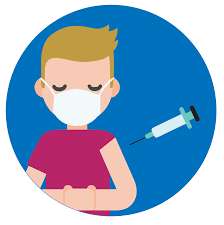
Participating in vaccination programs is critical to safeguarding public health against infectious diseases. Vaccinations help establish immunity within communities while protecting vulnerable populations from outbreaks that could lead widespread illness outbreaks).
CHOLESTEROL MANAGEMENT

Managing cholesterol levels is fundamental in reducing the risk of heart disease. Elevated cholesterol can lead to plaque buildup in arteries, increasing heart attack risks if not properly addressed through lifestyle changes and medical intervention when necessary
- The most common indicators include elevated LDL (bad cholesterol) levels which contribute significantly toward cardiovascular diseases—contrastingly low HDL (good cholesterol) levels heighten those risks further.
RESPIRATORY INFECTIONS
Respiratory infections encompass a range of illnesses affecting the airways and lungs. Understanding these infections is essential for effective treatment and prevention strategies, particularly during cold seasons when they are more common.
- Symptoms typically include cough, fever, sore throat, nasal congestion, and difficulty breathing in severe cases.
- A healthcare professional will usually perform a physical examination followed by diagnostic tests such as chest X-rays or sputum cultures if necessary to identify the cause correctly.
- Treatment plans often involve symptomatic care with over-the-counter medications; bacterial infections may require antibiotic therapy while viral infections generally resolve with rest and hydration. Pneumonia vaccine recommendations are important preventative measures for at-risk populations that can reduce incidence rates significantly;
Aiming for prompt care minimizes complications due to respiratory infections while promoting quicker recovery times when they do occur.
ANNUAL CHECK-UP
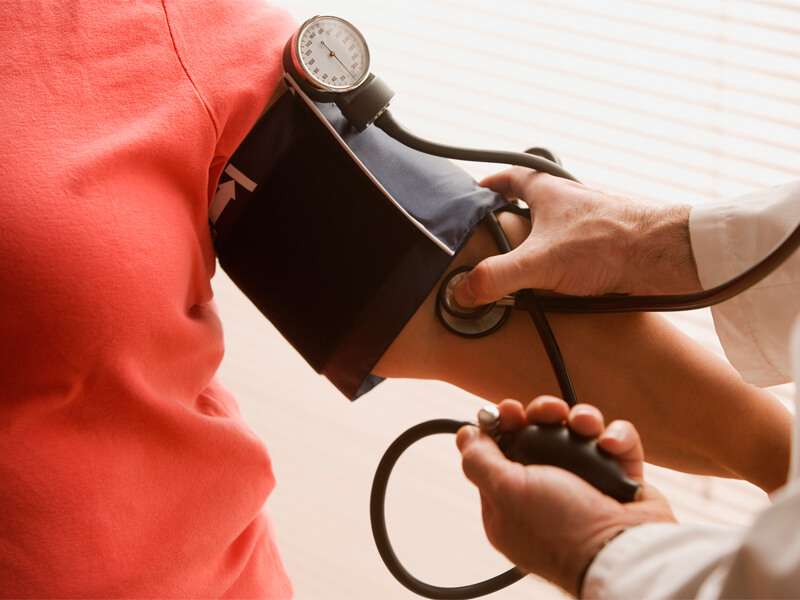
An annual check-up plays a vital role in preventive healthcare by allowing for the early detection of potential health issues. This comprehensive evaluation aims to assess overall well-being and provide guidance on maintaining health over time.
- During the check-up, patients may discuss any existing health concerns while also exploring family medical history that could indicate risk factors for certain diseases.
- A thorough physical exam includes measuring vital signs like blood pressure and heart rate in addition to laboratory tests such as cholesterol or glucose levels as needed.
- This visit often serves as an opportunity for vaccinations or screenings tailored to age and gender-specific requirements.
- A healthcare provider can suggest lifestyle changes or interventions based on findings during the examination to improve health outcomes.
Regular check-ups ensure that you stay informed about your health status and proactively manage any emerging issues effectively.
DIABETES SCREENING

Regular screening for diabetes is crucial for early detection and management of this prevalent condition. Early diagnosis can help prevent severe complications such as neuropathy or cardiovascular disease.
- Common symptoms of diabetes include increased thirst, frequent urination, extreme fatigue, and blurred vision.
- The diagnosis is typically made through blood tests such as fasting glucose levels or HbA1c testing.
- If diagnosed with diabetes, management may involve lifestyle modifications alongside medication or insulin therapy depending on the type of diabetes.
- Follow-up screenings are recommended every six months to a year based on individual risk factors.
- Active engagement in your treatment plan can lead to improved outcomes and better health management over time.
Screening is an essential step in maintaining good health and preventing long-term complications associated with diabetes.
HYPERTENSION
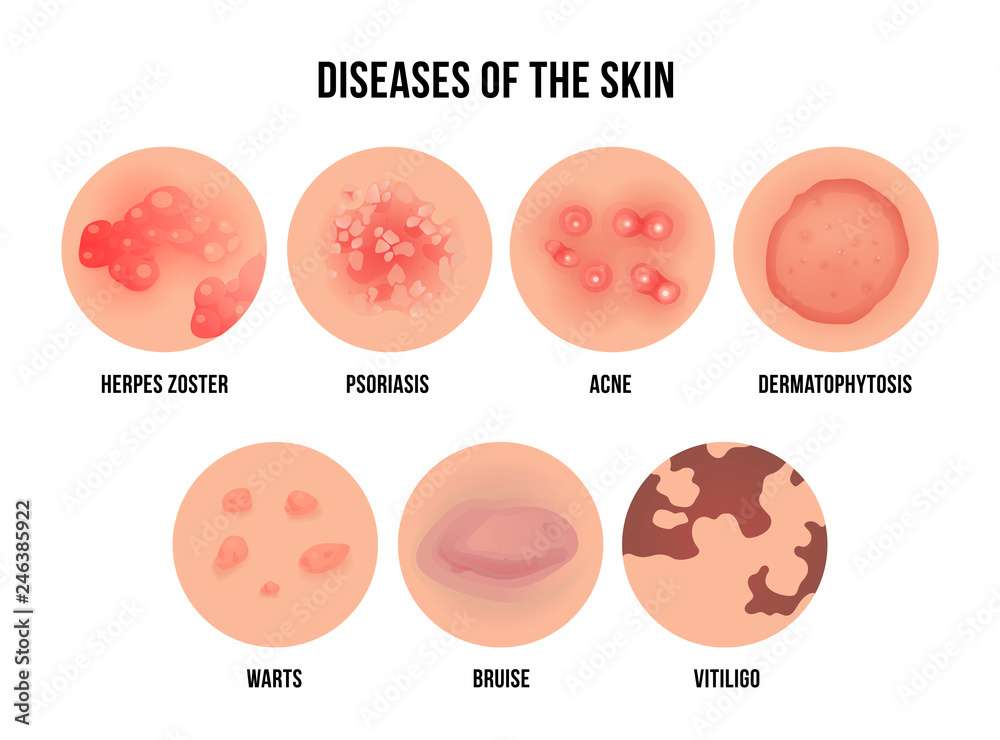
Hypertension, commonly known as high blood pressure, is a serious condition that can lead to various health complications if left untreated. It's important for individuals to monitor their blood pressure regularly to ensure it remains within normal ranges.
- The primary symptoms may include headaches, shortness of breath, and nosebleeds, although many individuals may not experience noticeable symptoms.
- Blood pressure is diagnosed with a simple test using a sphygmomanometer, which measures the force of blood against the artery walls.
- Treatment options often include lifestyle changes such as diet and exercise, along with medications like diuretics or ACE inhibitors.
- Regular follow-up visits are essential to track blood pressure levels and make necessary adjustments to treatment.
- With proper management, individuals can lead healthy lives and significantly reduce the risks associated with hypertension.
Being proactive in managing your health can prevent complications related to hypertension and improve overall wellness.