
Dr. wool
About Me
Dr. wool
MBBS
Ayurveda
10 Years Experience
Biography
My Clinic
OPD Hours
| Monday | Morning | 10:00 AM | - | 02:00 PM |
| Evening | 06:00 PM | - | 09:00 PM | |
| Tuesday | Morning | 10:00 AM | - | 02:00 PM |
| Evening | 06:00 PM | - | 09:00 PM | |
| Wednesday | Morning | 10:00 AM | - | 02:00 PM |
| Evening | 06:00 PM | - | 09:00 PM | |
| Thursday | Morning | 10:00 AM | - | 02:00 PM |
| Evening | 06:00 PM | - | 09:00 PM | |
| Friday | Morning | 10:00 AM | - | 02:00 PM |
| Evening | 06:00 PM | - | 09:00 PM | |
| Saturday | Morning | 10:00 AM | - | 02:00 PM |
| Evening | 06:00 PM | - | 09:00 PM | |
| Sunday | Morning | 10:00 AM | - | 02:00 PM |
| Evening | 06:00 PM | - | 09:00 PM |
Treatments
Specialised care and treatments offered
MEDITATION TECHNIQUES
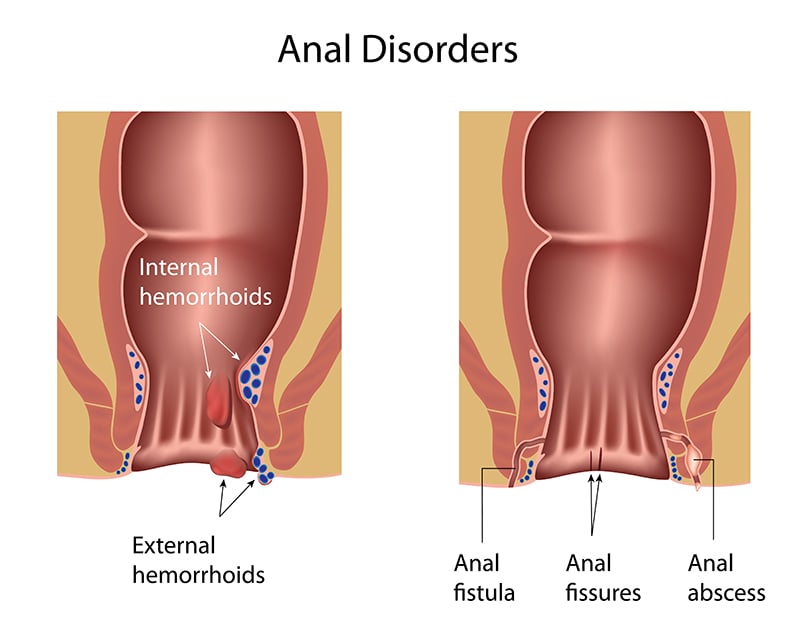
Meditation holds a foundational place within Ayurveda by promoting mental clarity and emotional balance. Various techniques allow individuals to engage with their thoughts deeply while fostering tranquility amidst life’s challenges.
- Symptoms : Feelings of burnout or lack of focus are common indicators that meditation might help restore equilibrium within one’s mental state.
- Diagnosis : Evaluative discussions help identify specific thought patterns contributing negatively impacting quality-of-life areas prompting adjustments accordingly focusing on meditation styles suited uniquely for them!
YOGA THERAPY
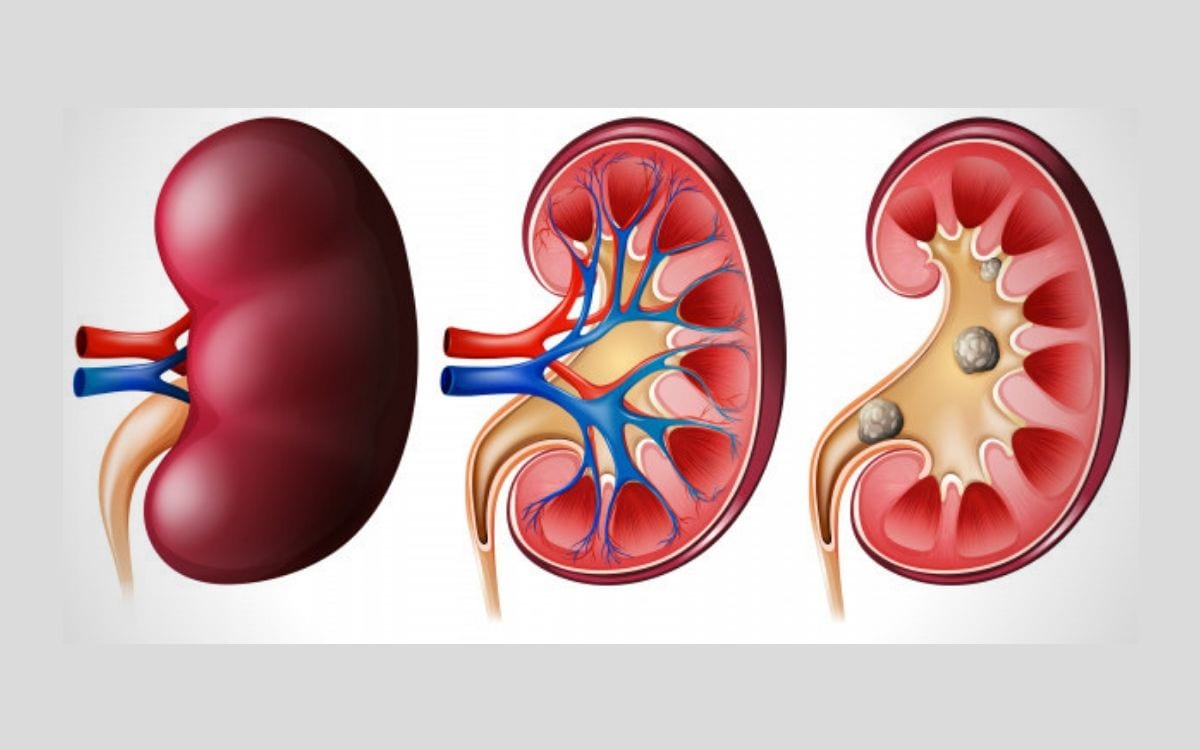
Ayurvedic yoga therapy integrates physical postures with breathing techniques tailored specifically for individual health needs. This practice not only enhances physical flexibility but also supports emotional well-being through mindfulness.
- Symptoms: Chronic stress, anxiety disorders or tension-related headaches can benefit greatly from structured yoga routines designed for relaxation and centering the mind.
- Diagnosis: Practitioners assess physical capacity alongside emotional states before developing personalized yoga plans suitable for each patient’s condition.
- < strong > Treatment options : Programs might include gentle stretches for Vata types whereas dynamic sequences may suit Kapha individuals.
- Management : Continuous practice is encouraged alongside feedback sessions about progress toward mental clarity and strength goals.
- What to expect : Many find significant decreases in stress levels along with improved mental focus as they remain consistent with their practice.
Through this integration of mindful movement into daily routines patients cultivate resilience against everyday stresses enhancing quality of life long-term.
HERBAL REMEDIES
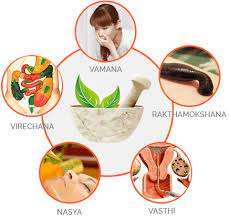
Ayurvedic herbal remedies utilize natural plants for their medicinal benefits, promoting overall wellness without adverse effects. Herbs are selected based on their healing properties tailored to individual health conditions.
- Symptoms: Common ailments like anxiety or minor digestive issues can be effectively managed with herbs such as Ashwagandha or Triphala respectively.
- Diagnosis: Evaluation is conducted through detailed interviews regarding symptoms and lifestyle factors influencing health.
- Treatment options: Depending on individuals' needs, treatments may involve teas, powders or capsules derived from potent herbs known for their restorative properties.
- Management: Regular consultations help in adjusting herbal selections as health improves or changes occur over time.
- What to expect: Users often experience gradual improvement in vitality and reduction in symptoms as these natural remedies take effect over time.
This gentle healing method aligns the body’s energies and fosters holistic recovery naturally over sustained periods of use.
AYURVEDIC DIET THERAPY
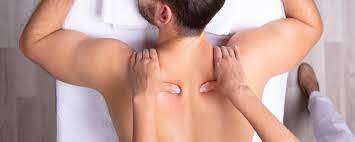
An Ayurvedic diet emphasizes the importance of balancing the three doshas—Vata, Pitta, and Kapha—through food choices. This dietary guidance harmonizes bodily functions by tailoring meals according to individual constitution.
- Symptoms: Issues such as frequent bloating, fatigue, or mood swings may indicate an imbalance in one's diet.
- Diagnosis: Assessment involves understanding one’s body type and lifestyle habits to identify dietary recommendations.
- Treatment options: Incorporating specific foods that align with one’s dosha can alleviate symptoms. For example, warm spices may aid digestion for Vata types.
- Management: Lifestyle modifications are advised along with meal timing based on physiological rhythms.
- What to expect: Patients often report better digestion, increased vitality, and emotional stability from following personalized dietary prescriptions.
This dietary therapy seeks not just to nourish but also to empower individuals towards optimal health through mindful eating.
PANCHAKARMA

Panchakarma is a vital detoxification and rejuvenation therapy in Ayurveda. It encompasses various techniques aimed at removing toxins from the body while restoring balance to one's mind and spirit.
- Symptoms: Indicators for Panchakarma include fatigue, digestive disorders, skin issues, and stress-related conditions.
- Diagnosis: An Ayurvedic practitioner assesses dosha imbalances through patient history analysis and physical examination.
- Treatment options: Treatments can include oil massages, herbal steam baths, and specialized cleansing procedures tailored to individual needs.
- Management: Post-treatment care often includes dietary changes and herbal supplementation to maintain balance.
- What to expect: Patients typically experience increased energy levels, improved digestion, and enhanced overall well-being after completing Panchakarma.
This holistic approach not only detoxifies but also promotes self-healing, creating a sustainable lifestyle change.