
Dr.G.Sailendra mohan
About Me
Dr.G.Sailendra mohan
MS
Family Physician
10 Years Experience
Biography
My Clinic
OPD Hours
| Monday | Morning | 10:00 AM | - | 02:00 PM |
| Evening | 06:00 PM | - | 09:00 PM | |
| Tuesday | Morning | 10:00 AM | - | 02:00 PM |
| Evening | 06:00 PM | - | 09:00 PM | |
| Wednesday | Morning | 10:00 AM | - | 02:00 PM |
| Evening | 06:00 PM | - | 09:00 PM | |
| Thursday | Morning | 10:00 AM | - | 02:00 PM |
| Evening | 06:00 PM | - | 09:00 PM | |
| Friday | Morning | 10:00 AM | - | 02:00 PM |
| Evening | 06:00 PM | - | 09:00 PM | |
| Saturday | Morning | 10:00 AM | - | 02:00 PM |
| Evening | 06:00 PM | - | 09:00 PM | |
| Sunday | Morning | 10:00 AM | - | 02:00 PM |
| Evening | 06:00 PM | - | 09:00 PM |
Treatments
Specialised care and treatments offered
PREVENTIVE CARE SERVICES

The provision of preventive care services constitutes a cornerstone of family medicine aimed at averting diseases through targeted screenings and vaccinations. Engaging regularly allows patients greater chances against illness development over years!
- Importance: Preventive measures focus on safeguarding patients’ long-term wellness by addressing risk factors proactively leading towards chronic illnesses prevention later down their healthcare path!
- Services offered:
ANNUAL PHYSICAL EXAMINATIONS
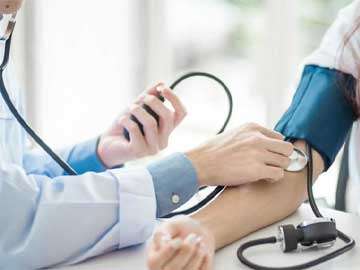
An annual physical examination plays a critical role in preventive healthcare by identifying potential issues before they develop further. Regular assessments foster long-term health maintenance strategies.
- Purpose: A thorough check-up provides insight into one’s overall health status while highlighting areas needing attention over time.
- Components: The examination typically includes blood tests, screenings for various diseases, height/weight measurements, and discussing lifestyle habits.
- Follow-up: Based on findings during the exam, referrals for specialists may be necessary to address specific concerns comprehensively.
- Frequency: Annual visits allow timely intervention; however; more frequent visits may be warranted depending on existing health conditions.
Persistent engagement with annual examinations ensures continued vigilance against emerging health challenges throughout life’s journey!
CHOLESTEROL LEVEL ASSESSMENT

A cholesterol level assessment is essential for understanding cardiovascular health. Monitoring helps identify risks early on before they escalate into serious conditions.
- Symptoms: Generally asymptomatic until advanced stages; however, some may experience angina or heart-related discomforts if levels are critically high.
- Diagnosis: A simple blood test measures LDL (bad), HDL (good), and total cholesterol levels in the bloodstream.
- Treatment options: Lifestyle changes like a heart-healthy diet along with more exercise often serve as first steps before medication is considered.
- Management: Regular monitoring every few months is advisable to track improvements or necessary adjustments in treatment.
The right approach leads to better heart health outcomes through diligent management practices tailored to individual needs.
RESPIRATORY INFECTIONS EVALUATION
The evaluation of respiratory infections is vital as they can significantly impact overall health. Prompt assessment can lead to effective treatment strategies.
- Symptoms: Coughing, wheezing, fever, or difficulty breathing may indicate an underlying infection requiring attention.
- Diagnosis: Physical examination combined with chest X-rays or sputum tests can confirm the presence of an infection.
- Treatment options: Depending on the type (viral or bacterial), treatment may involve rest, hydration or antibiotics when needed.
- Coping strategies:Sufficient hydration and respiratory therapies support recovery alongside prescribed medications.
An early consultation enhances recovery and reduces the risk of complications from respiratory infections significantly.
DIABETES SCREENING AND MANAGEMENT
The prevalence of diabetes is rising globally, making screening and management crucial for early intervention. Routine checks are essential for those at risk.
- Symptoms: Increased thirst, frequent urination, fatigue, and blurred vision are common signs of diabetes.
- Diagnosis: Blood tests measuring glucose levels help in diagnosing both types of diabetes effectively.
- Treatment options: Depending on the type, treatments range from lifestyle modifications to insulin therapy.
- Management: Continuous monitoring of blood sugar levels and dietary changes play a significant role in management.
- Email follow-ups: Regular consultations help adjust treatment plans based on individual progress and complications experienced.
A proactive approach will help control diabetes and minimize associated risks significantly.
HYPERTENSION MANAGEMENT
Hypertension, or high blood pressure, is a common condition that can lead to serious health issues if left untreated. It often presents with few symptoms, which makes regular monitoring essential.
- Symptoms: Many individuals may not experience noticeable symptoms, but some might have headaches or shortness of breath.
- Diagnosis: Blood pressure is measured using a sphygmomanometer; repeated readings are needed for an accurate diagnosis.
- Treatment options: Lifestyle changes such as diet and exercise are first-line interventions, alongside medications when necessary.
- Management: Regular check-ups and self-monitoring are vital to keep blood pressure within healthy limits.
- Expectations: With effective management, individuals can lead normal lives while maintaining their blood pressure within the recommended range.
Consistent care and awareness of one’s health can greatly improve outcomes in managing hypertension.