
Dr.Yogesh
About Me
Dr.Yogesh
MS
Cardiothorocic Surgeon
10 Years Experience
Biography
My Clinic
OPD Hours
| Monday | Morning | 10:00 AM | - | 02:00 PM |
| Evening | 06:00 PM | - | 09:00 PM | |
| Tuesday | Morning | 10:00 AM | - | 02:00 PM |
| Evening | 06:00 PM | - | 09:00 PM | |
| Wednesday | Morning | 10:00 AM | - | 02:00 PM |
| Evening | 06:00 PM | - | 09:00 PM | |
| Thursday | Morning | 10:00 AM | - | 02:00 PM |
| Evening | 06:00 PM | - | 09:00 PM | |
| Friday | Morning | 10:00 AM | - | 02:00 PM |
| Evening | 06:00 PM | - | 09:00 PM | |
| Saturday | Morning | 10:00 AM | - | 02:00 PM |
| Evening | 06:00 PM | - | 09:00 PM | |
| Sunday | Morning | 10:00 AM | - | 02:00 PM |
| Evening | 06:00 PM | - | 09:00 PM |
Treatments
Specialised care and treatments offered
MAZE PROCEDURE FOR ATRIAL FIBRILLATION
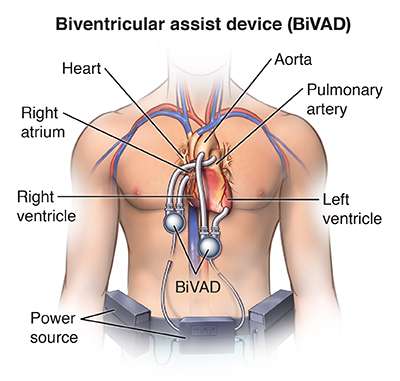
The Maze procedure effectively treats atrial fibrillation (AF) by creating scar tissue within specific areas of the heart that disrupt irregular electrical signals causing arrhythmia. This innovative approach aims towards restoring normal sinus rhythm while minimizing complications associated traditionally used antiarrhythmic drugs management protocols..
- Signs indicating AF involve palpitation episodes paired alongside dizziness occasionally leading patients exhibiting fatigue consistently despite regular levels exertion noted regularly within day-to-day activities needing attention promptly resulting from ineffective conduction pathways.
- Diagnosing AF relies primarily upon EKG readings coupled alongside other evaluative assessments carried out concurrently clarifying clarification assessing direction hence underlying causes driving increased incidence presented subsequently requiring direct attention thereafter initiated accordingly
- Treatment approaches available widely consider continuous oral medication regimens although recurrent flare-ups necessitate additional meticulous interventions whereby applying Maze enables reduced reliance upon pharmacological agents successfully influencing outcomes positively enhancing life quality overall.
- Conducted either openly under general anesthesia priorly discussed approaches ultimately less invasive directed training aspects minimize post-procedure discomfort endured concluding discharge enabling swift recoveries comfortably occurring immediately thereafter
The Maze Procedure not only provides symptomatic relief but also reduces long-term risks associated with atrial fibrillation effectively enhancing daily living experiences overall positively .
THORACOSCOPIC SURGERY
Thoracoscopic surgery represents a minimally invasive approach used for various thoracic conditions including biopsies, lung resection surgeries, and treatment for pleural diseases. This technique offers several benefits compared to traditional open surgeries such as reduced pain and faster recovery times.
- Symptoms prompting this type of surgery often include persistent pleural effusion leading to breathing difficulties or unidentified masses found during imaging studies such as chest X-rays or CT scans.
- The diagnosis begins with thorough patient evaluation along with imaging studies directing towards specific thoracic pathologies needing intervention via thoracoscopy methodology rather than conventional approaches requiring larger incisions directly into their chest cavity affairs
If you experience unexplained respiratory symptoms, consult your healthcare provider regarding potential evaluations necessitating this advanced method.
LUNG CANCER SURGERY
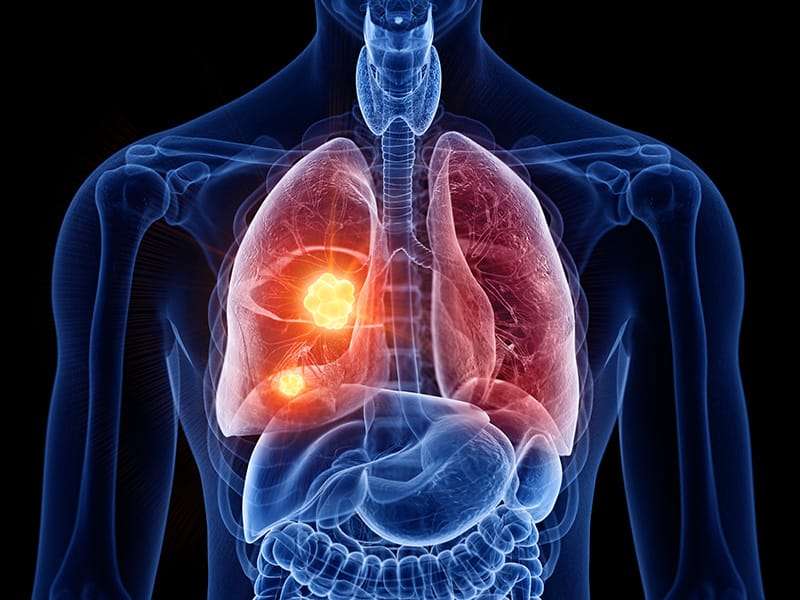
Lung cancer may require surgical intervention depending on its stage and location. Surgical procedures aim to remove cancerous tissue while preserving as much healthy lung function as possible. Early diagnosis greatly influences treatment success rates.
- Persistent cough, unintended weight loss, and chest pain are common symptoms associated with lung cancer that require further investigation.
- A variety of diagnostic tools including imaging tests like CT scans and biopsies help confirm lung cancer diagnosis and staging.
- Treatment strategies may involve surgery alone or in combination with chemotherapy and radiation therapy depending on cancer’s extent and patient's overall health status.
- Surgical options range from lobectomy (removal of a lobe) to pneumonectomy (removal of an entire lung), focusing on effective tumor excision while maximizing recovery potential post-operation.
Surgical intervention can significantly improve survival rates if conducted early in conjunction with enhanced follow-up care processes during recovery periods.
AORTIC ANEURYSM REPAIR
An aortic aneurysm occurs when there is an abnormal bulge in the wall of the aorta. If left untreated, it can lead to serious complications like dissection or rupture. Surgical repair is critical for managing larger aneurysms to prevent life-threatening situations.
- The most common symptom is a sudden sharp pain in the back or abdominal area; however, many people are asymptomatic until major complications occur.
- This condition is diagnosed through imaging studies such as ultrasound or CT scans that visualize the aorta's size and shape.
- Treatment options range from close monitoring for smaller aneurysms to surgical interventions for larger ones. Open surgery or endovascular repair methods might be utilized based on individual conditions.
- Surgery aims to either remove or reinforce the affected section of the aorta with synthetic grafts or stents.
Catching an aortic aneurysm early can save lives—regular check-ups are essential for those at risk.
VALVE REPAIR OR REPLACEMENT
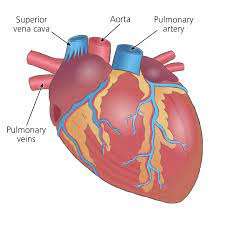
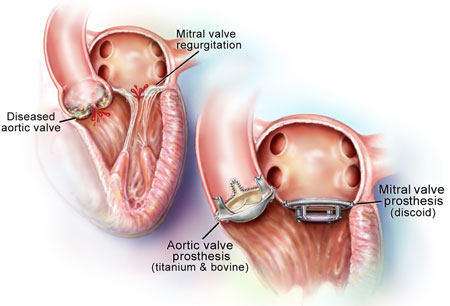
Heart valve issues can significantly affect blood flow and overall cardiac function. Valve repair or replacement surgery addresses problems with any of the four heart valves: aortic, mitral, pulmonary, or tricuspid.
- Patients may experience symptoms such as heart palpitations, swelling in the legs or abdomen, and difficulty breathing.
- Diagnosis involves echocardiograms and sometimes MRI scans to evaluate valve function and structure.
- Treatment may include medication management initially; however, severe cases often require surgical intervention to repair or replace the malfunctioning valve.
- Surgery can be performed via traditional open-heart methods or minimally invasive techniques depending on the severity of the condition.
- Recovery may vary based on individual health but generally includes hospital stay followed by gradual resumption of activities under medical guidance.
This surgery helps restore proper hemodynamics in patients suffering from valvular heart disease.
CORONARY ARTERY BYPASS GRAFTING (CABG)
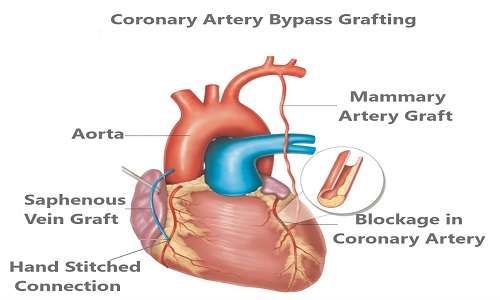
Coronary artery bypass grafting, commonly known as CABG, is a surgical procedure aimed at improving blood flow to the heart. This treatment is essential for patients with severe coronary artery disease, where the arteries that supply blood to the heart muscle become narrowed or blocked.
- Common symptoms include chest pain, shortness of breath, and fatigue during physical activity.
- The condition is diagnosed using tests such as angiography, stress testing, or a CT coronary angiogram.
- Treatment options include lifestyle changes, medications, and when necessary, surgical intervention like CABG.
- During the surgery, a healthy blood vessel from another part of the body is used to bypass the blocked artery.
- Post-surgery recovery typically involves monitoring in a hospital followed by rehabilitation to regain strength.
This procedure can significantly enhance quality of life and reduce the risk of heart attacks for many patients.