
DrAgarwals Eye H
About Me
DrAgarwals Eye H
DO
Ophthalmologist
10 Years Experience
Biography
My Clinic
OPD Hours
| Monday | Morning | 10:00 AM | - | 02:00 PM |
| Evening | 06:00 PM | - | 09:00 PM | |
| Tuesday | Morning | 10:00 AM | - | 02:00 PM |
| Evening | 06:00 PM | - | 09:00 PM | |
| Wednesday | Morning | 10:00 AM | - | 02:00 PM |
| Evening | 06:00 PM | - | 09:00 PM | |
| Thursday | Morning | 10:00 AM | - | 02:00 PM |
| Evening | 06:00 PM | - | 09:00 PM | |
| Friday | Morning | 10:00 AM | - | 02:00 PM |
| Evening | 06:00 PM | - | 09:00 PM | |
| Saturday | Morning | 10:00 AM | - | 02:00 PM |
| Evening | 06:00 PM | - | 09:00 PM | |
| Sunday | Morning | 10:00 AM | - | 02:00 PM |
| Evening | 06:00 PM | - | 09:00 PM |
Treatments
Specialised care and treatments offered
NIGHT VISION PROBLEMS
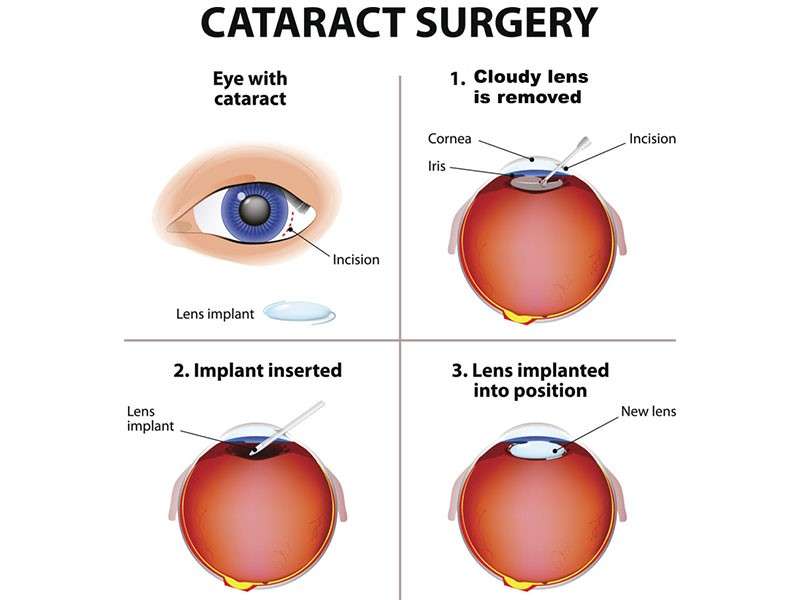
Difficulties seeing well at night often stem from a variety of underlying causes ranging from natural age-related changes to more complex medical conditions. Notably affecting how one perceives low light scenarios during nighttime hours raises concerns about safety while driving after sunset among those affected by such issues regularly experiencing challenges adapting swiftly between bright daylight environments versus dimly lit settings!
- Symptoms encompass blurred vision when transitioning into dark spaces alongside heightened glare sensitivity during nighttime driving situations!
- Certain factors contributing could involve cataracts or other refractive errors requiring professional evaluation & assessment!
- Proper diagnoses ensure tailored solutions focusing primarily on lifestyle adjustments alongside potential interventions using specialized eyewear enhancing night-time clarity visibility!
- Seeking assistance promptly ensures addressing underlying concerns whilst improving overall safety navigating low-light environments comfortably!
Enhancing adaptability through adequate preparations makes traversing evenings less daunting ultimately supporting seamless transitions regardless prevailing illumination circumstances!
AGING EYES
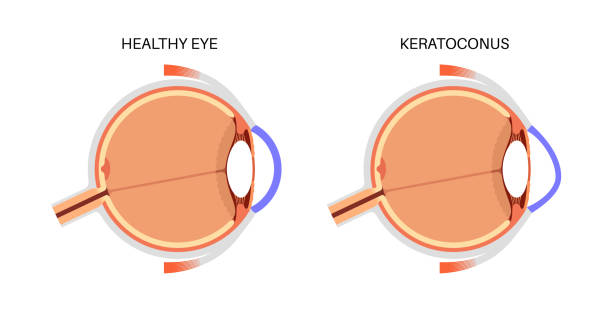
Aging affects eyesight gradually as various changes occur within the eye's structure over time. These changes are primarily natural but require attention as they may lead to conditions such as presbyopia where focusing becomes challenging with age. Understanding these changes is essential for preserving vision health as one ages.
- Main symptoms include difficulty reading small print or seeing at varying distances clearly.
- This results from loss of elasticity in lenses within the eyes which occurs naturally over years due to biological aging processes.
- An eye examination that assesses vision at different distances helps confirm if corrective lenses might be necessary for optimal clarity.
- Treatment frequently involves reading glasses or bifocals; lifestyle adjustments such as increased lighting while reading also play a vital role in managing aging effects on vision.
Maintaining regular check-ups enables early detection of any potential age-related conditions impacting overall sight functionality.
BLEPHARITIS
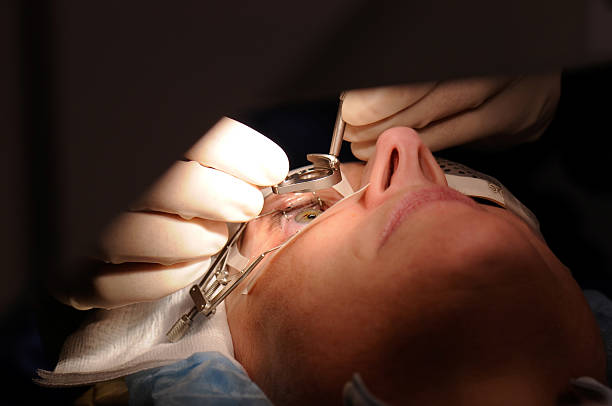
This condition involves inflammation of the eyelids and is often chronic. It typically results from seborrheic dermatitis or bacterial infections affecting eyelash follicles. While blepharitis is not contagious, it can cause discomfort that necessitates careful management for relief.
- The typical symptoms include red eyelids, crusty lashes upon waking up, and a burning sensation in the eyes.
- The common causes relate to skin conditions such as dandruff or dysfunction of oil glands along the eyelid margins.
- A diagnosis is generally made through an examination focusing on eyelid health and any present debris or crusting around lashes.
- Treatment often includes warm compresses to loosen crusts followed by cleansing with diluted baby shampoo; prescription medications may also be warranted in some cases for persistent issues.
A proactive approach towards eyelid hygiene can greatly enhance comfort levels over time for those affected by blepharitis.
ALLERGIC CONJUNCTIVITIS
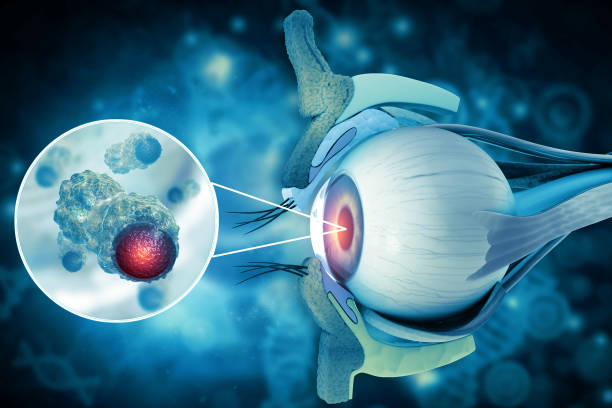
This type of conjunctivitis occurs when allergens trigger inflammation in the conjunctiva—the clear membrane covering the white part of the eyeball. Allergic conjunctivitis can be seasonal or perennial based on the allergen involved. Individuals often seek relief due to its bothersome nature.
- Main symptoms include redness, itching, tearing, and swelling around the eyes.
- The triggers commonly include pollen, dust mites, pet dander, or molds.
- A thorough history along with an eye examination aids in pinpointing specific allergens responsible for reactions.
- Treatment strategies generally comprise antihistamine eye drops and avoiding known allergens; oral antihistamines may also help reduce symptoms.
Implementing simple lifestyle modifications can significantly lessen allergic responses over time.
COMPUTER VISION SYNDROME
This syndrome arises from prolonged computer use and is characterized by various visual discomforts. It can affect anyone who spends significant time in front of screens, leading to a range of uncomfortable symptoms that may interfere with productivity.
- Common symptoms include eye strain, headaches, blurred vision, and dry eyes.
- The main causes are inadequate lighting, incorrect screen distance, or uncorrected vision problems.
- A detailed eye examination helps diagnose the issue effectively by assessing visual skills and ergonomics while using technology.
- Treatment usually includes adjusting screen settings, taking regular breaks known as the 20-20-20 rule (every 20 minutes look at something 20 feet away for 20 seconds), and using corrective lenses if needed.
Understanding how to manage screen time effectively can alleviate many symptoms associated with this syndrome.
DRY EYE SYNDROME
Dry eye syndrome is a common condition characterized by insufficient lubrication of the eye. This can lead to discomfort, dryness, and even damage to the surface of the eye. People suffering from this condition often experience symptoms that can significantly affect daily activities.
- Symptoms may include a gritty sensation, burning, or stinging in the eyes.
- The primary cause is often reduced tear production due to aging or environmental factors.
- Diagnosis typically involves comprehensive eye exams and tests to measure tear production.
- Treatment options focus on artificial tears, lifestyle changes like humidifying indoor air, and proper eyelid hygiene.
- Managing dry eyes also includes avoiding smoke and wind exposure and wearing sunglasses outdoors.
With appropriate management, individuals can find relief and improve their quality of life significantly.