
DrAlok K Sharma
About Me
DrAlok K Sharma
MD
Cardiologist
10 Years Experience
Biography
My Clinic
OPD Hours
| Monday | Morning | 10:00 AM | - | 02:00 PM |
| Evening | 06:00 PM | - | 09:00 PM | |
| Tuesday | Morning | 10:00 AM | - | 02:00 PM |
| Evening | 06:00 PM | - | 09:00 PM | |
| Wednesday | Morning | 10:00 AM | - | 02:00 PM |
| Evening | 06:00 PM | - | 09:00 PM | |
| Thursday | Morning | 10:00 AM | - | 02:00 PM |
| Evening | 06:00 PM | - | 09:00 PM | |
| Friday | Morning | 10:00 AM | - | 02:00 PM |
| Evening | 06:00 PM | - | 09:00 PM | |
| Saturday | Morning | 10:00 AM | - | 02:00 PM |
| Evening | 06:00 PM | - | 09:00 PM | |
| Sunday | Morning | 10:00 AM | - | 02:00 PM |
| Evening | 06:00 PM | - | 09:00 PM |
Treatments
Specialised care and treatments offered
BLOOD PRESSURE MONITORING (AMBULATORY BLOOD PRESSURE MONITORING)

Ambulatory Blood Pressure Monitoring (ABPM) measures blood pressure at regular intervals over 24 hours during normal daily activities including sleep. This assesses hypertension more accurately than office readings alone.
- Why it's done: To diagnose white coat hypertension or masked hypertension and evaluate treatment efficacy for existing hypertensive patients.
- Process Description: A cuff worn on the arm automatically inflates every 15-30 minutes capturing systolic & diastolic pressures throughout a full day-night cycle.
- Treatment Insights: Provides comprehensive data enabling tailored antihypertensive medication regimens avoiding overtreatment.
- Patient Expectations: Device size resembles a small backpack; slight discomfort may occur from repeated cuff inflation but routine activities can usually continue uninterrupted.
Continuous blood pressure profiling improves cardiovascular risk management preventing complications associated with poorly controlled hypertension.
CORONARY ANGIOGRAPHY
A coronary angiography visualizes coronary arteries using contrast dye injected through a catheter. It identifies blockages responsible for angina or myocardial infarction enabling direct therapeutic interventions when required.
- Candidacy Indications: Patients presenting with chest pain unresponsive to initial treatment or abnormal stress tests frequently undergo angiography.
- The Technique Explained: Under local anesthesia, a catheter is introduced via wrist or groin artery advancing into coronary vessels guided by X-ray imaging while dye highlights arterial flow patterns.
- This procedure enables detectionof stenosis severity aiding decisions such as angioplasty with stenting versus bypass surgery planning later on.
- Recovery Details: Usually outpatient basis with few hours monitoring post-procedure; minor discomfort possible at insertion site.
It remains the gold standard diagnostic approach offering both crucial information about coronary anatomy as well as immediate therapeutic options when necessary.
HOLTER MONITORING
The Holter monitor provides continuous ECG recording over 24-48 hours to capture intermittent arrhythmias not detected during routine examinations. It’s an ambulatory cardiac monitoring device suited for ongoing symptom assessment.
- Syndromes Monitored: Palpitations, unexplained fainting spells, or suspected arrhythmias during daily activities trigger this investigation.
- The Device Use: A small portable recorder attached via electrodes stays connected while you maintain normal activities at home and work.
- Treatment Impact: Identifying abnormal rhythms guides medication adjustments or possible device implants like pacemakers if needed.
- User Guidelines: Avoid showering while wearing it; maintain diary notes correlating symptoms with recorded events for physician interpretation accuracy.
This method offers reliable detection of transient cardiac electrical disturbances often missed by short-term ECGs enhancing diagnosis accuracy significantly.
STRESS TESTING (TREADMILL TEST)
A Stress Test evaluates how well your heart functions under physical exertion. It is valuable to identify coronary artery disease that might not be apparent at rest.
- Purpose/Symptoms: Used for patients with chest pain on exertion or unexplained fatigue during activity.
- The Procedure: You walk on a treadmill while your ECG and blood pressure are monitored continuously as exercise intensity increases gradually.
- Treatment Decisions: Abnormal results can prompt lifestyle changes, medication adjustments, or advanced imaging studies for detailed evaluation.
- User Experience: The test typically lasts 10-15 minutes; some may feel breathlessness but it is safe with medical supervision throughout.
This test helps uncover hidden cardiac issues related to blood flow during increased demand scenarios allowing early intervention.
ELECTROCARDIOGRAM (ECG)
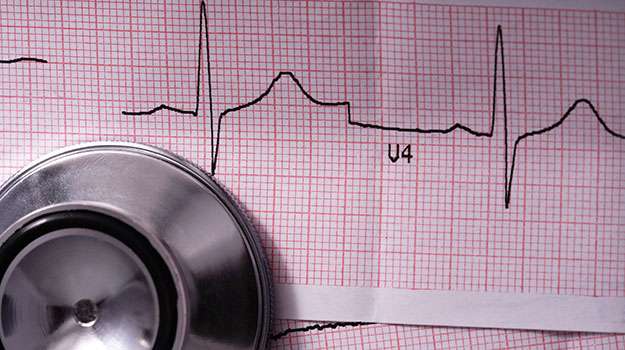
An Electrocardiogram (ECG) records the electrical activity of the heart to detect abnormalities in rhythm and conduction. It is a primary screening test in cardiology clinics worldwide.
- Symptoms/Indications: Recommended for patients with palpitations, dizziness, chest discomfort, or syncope episodes.
- How it's Performed: Small electrodes are placed on the chest, arms, and legs to measure electrical impulses during heartbeats.
- Treatment Implications: Detecting arrhythmias or ischemic changes allows timely initiation of medications or further investigations like stress testing.
- Patient Experience: The test is quick (5-10 minutes), non-invasive, and completely painless without any recovery time needed.
An ECG forms an integral part of cardiovascular evaluation for both acute symptoms and routine check-ups.
ECHOCARDIOGRAPHY
Echocardiography is a non-invasive diagnostic tool that uses ultrasound waves to produce detailed images of the heart's structure and function. It helps in assessing heart health without any pain or radiation exposure.
- Symptoms/Reasons for Test: Often ordered when patients experience chest pain, shortness of breath, or irregular heartbeats.
- Diagnosis: Ultrasound transducer sends sound waves through the chest wall to create real-time moving images of the heart chambers and valves.
- Treatment/Management: Based on findings such as valve problems or reduced heart function, treatments like medication or surgery may be recommended.
- What to Expect: The procedure generally takes 30-60 minutes and is painless; patients lie still while the technician performs the scan.
This technique provides essential insights into cardiac health, helping guide therapies tailored to patient-specific conditions.