
DrAnil Physiothe
About Me
DrAnil Physiothe
MBBS
Therapist
10 Years Experience
Biography
My Clinic
OPD Hours
| Monday | Morning | 10:00 AM | - | 02:00 PM |
| Evening | 06:00 PM | - | 09:00 PM | |
| Tuesday | Morning | 10:00 AM | - | 02:00 PM |
| Evening | 06:00 PM | - | 09:00 PM | |
| Wednesday | Morning | 10:00 AM | - | 02:00 PM |
| Evening | 06:00 PM | - | 09:00 PM | |
| Thursday | Morning | 10:00 AM | - | 02:00 PM |
| Evening | 06:00 PM | - | 09:00 PM | |
| Friday | Morning | 10:00 AM | - | 02:00 PM |
| Evening | 06:00 PM | - | 09:00 PM | |
| Saturday | Morning | 10:00 AM | - | 02:00 PM |
| Evening | 06:00 PM | - | 09:00 PM | |
| Sunday | Morning | 10:00 AM | - | 02:00 PM |
| Evening | 06:00 PM | - | 09:00 PM |
Treatments
Specialised care and treatments offered
LIFESTYLE COUNSELING FOR CHRONIC PAIN MANAGEMENT
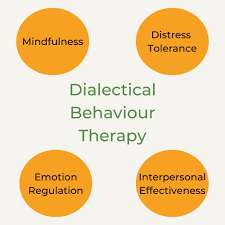
Chronic pain is a complex condition influenced by physical factors as well as psychological responses. Lifestyle interventions target modifiable elements contributing to pain persistence making it manageable without reliance on medications alone.
MINDFULNESS-BASED STRESS REDUCTION (MBSR)
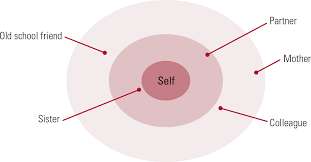
MBSR introduces mindfulness meditation practices designed to bring awareness to the present moment while reducing reactivity to stressful thoughts or sensations. This has broad applications in managing physical pain as well as emotional distress.
- The program usually consists of guided sessions involving breathing awareness, body scans, and gentle movement exercises such as yoga stretches tailored for all fitness levels.
- MBSR assists in recognizing habitual mental patterns harmful for well-being without judgment allowing more adaptive responses instead of impulsivity or avoidance behaviors.
This meditative approach cultivates calmness, clarity, and enhanced coping abilities across various challenging situations encountered daily by many patients seeking non-pharmacological solutions for relief from anxiety or chronic conditions alike.
BEHAVIORAL ACTIVATION FOR DEPRESSION
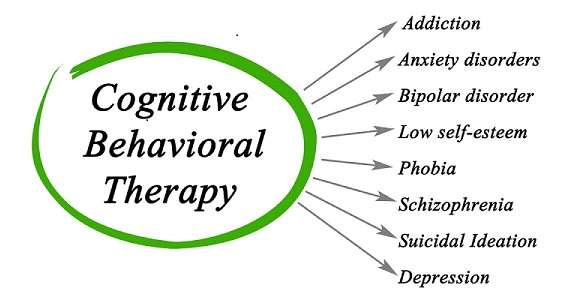
This therapy targets depression by encouraging engagement in meaningful activities that counteract withdrawal and inactivity commonly seen in depressive episodes.
- The symptoms addressed include low mood, loss of interest, fatigue, and social isolation.
- A detailed assessment determines specific behaviors contributing to maintained depressive feelings.
- The cornerstone involves scheduling enjoyable or purposeful tasks incrementally to boost motivation and positive reinforcement pathways in the brain.
- This method works alongside other treatments like medication or counseling if needed but focuses primarily on action-oriented change rather than introspection alone.
The process helps restore a sense of accomplishment which gradually alleviates symptoms associated with depression.
SLEEP HYGIENE EDUCATION
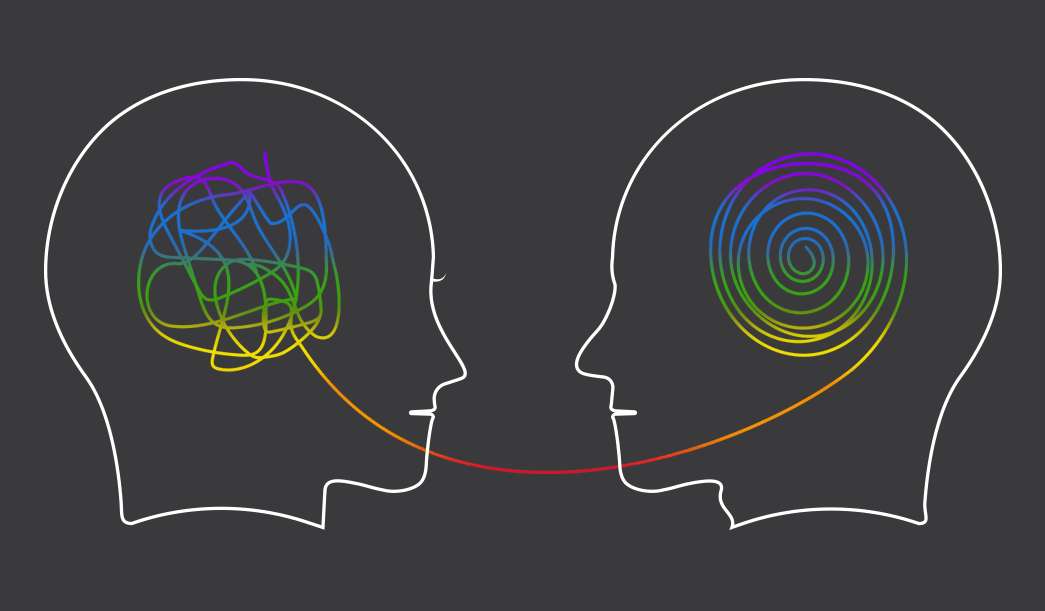
Poor sleep quality affects both physical and mental health profoundly. Sleep hygiene education aims to improve bedtime routines for better restorative rest.
- Poor habits such as irregular sleeping hours or screen use before bed often cause insomnia or fragmented sleep patterns.
- An evaluation looks into lifestyle factors influencing sleep disturbances including diet, exercise, and environment.
- Therapy advises implementing consistency in sleep schedules along with creating a calming pre-sleep routine free from distractions.
- Avoidance of stimulants like caffeine or heavy meals close to bedtime is emphasized as part of treatment modifications.
Adopting these changes often leads to improved energy levels, mood stabilization, and cognitive performance throughout the day.
STRESS MANAGEMENT COUNSELING
Managing stress effectively is crucial as chronic stress can lead to serious health issues including hypertension and depression. Therapy provides tools to cope with stressors in everyday life.
- The causes of stress vary widely from work pressure to personal challenges but produce similar physiological responses like muscle tension and irritability.
- A thorough assessment identifies specific stress triggers and their impact on one’s lifestyle.
- The intervention often includes relaxation techniques such as progressive muscle relaxation, guided imagery, or meditation training.
- Cognitive restructuring helps modify unhealthy thought patterns contributing to stress perception.
Regular practice of these strategies promotes a balanced mental state and improves overall wellbeing significantly.
COGNITIVE BEHAVIORAL THERAPY (CBT) FOR ANXIETY
Anxiety disorders are among the most common mental health conditions affecting individuals worldwide. They manifest through excessive worry and physical symptoms that impair daily functioning.
- Symptoms include persistent nervousness, restlessness, rapid heartbeat, and difficulty concentrating.
- Diagnosis is based on clinical evaluation of symptoms lasting over six months and impacting quality of life.
- Treatment typically involves structured sessions focusing on identifying negative thought patterns and replacing them with constructive coping mechanisms.
- Management may also incorporate breathing exercises, exposure techniques, and mindfulness practices.
- Patients can expect gradual improvement in managing anxiety triggers with consistent therapy.
This approach empowers individuals by teaching practical skills that reduce anxiety’s hold and enhance emotional resilience over time.