
DrAshish Dixit
About Me
DrAshish Dixit
MBBS
General Physician
10 Years Experience
Biography
My Clinic
OPD Hours
| Monday | Morning | 10:00 AM | - | 02:00 PM |
| Evening | 06:00 PM | - | 09:00 PM | |
| Tuesday | Morning | 10:00 AM | - | 02:00 PM |
| Evening | 06:00 PM | - | 09:00 PM | |
| Wednesday | Morning | 10:00 AM | - | 02:00 PM |
| Evening | 06:00 PM | - | 09:00 PM | |
| Thursday | Morning | 10:00 AM | - | 02:00 PM |
| Evening | 06:00 PM | - | 09:00 PM | |
| Friday | Morning | 10:00 AM | - | 02:00 PM |
| Evening | 06:00 PM | - | 09:00 PM | |
| Saturday | Morning | 10:00 AM | - | 02:00 PM |
| Evening | 06:00 PM | - | 09:00 PM | |
| Sunday | Morning | 10:00 AM | - | 02:00 PM |
| Evening | 06:00 PM | - | 09:00 PM |
Treatments
Specialised care and treatments offered
ASTHMA MANAGEMENT
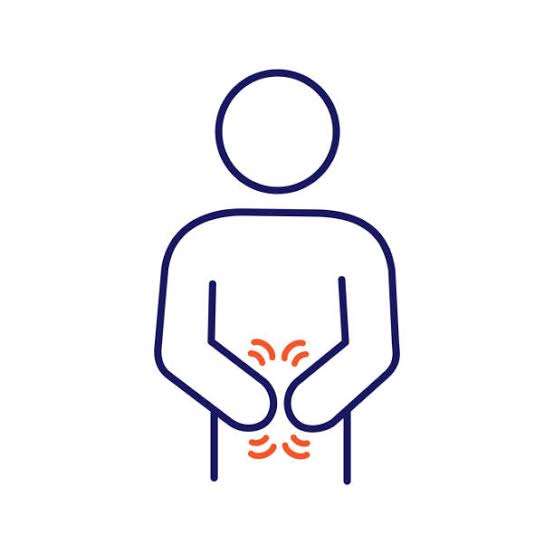
Asthma is a chronic lung condition leading to intermittent airway obstruction due primarily from inflammation—a manifestation these days more frequently emerges among adults than ever before!
Causessmoke trigger attacks by irritating respiratory tracts excessively—thus necessitating enhanced avoidance measures like quitting smoking altogether if currently still active so one’s environment remains safe!ANEMIA

Anemia occurs when the body lacks enough healthy red blood cells to carry adequate oxygen to tissues. This condition varies in severity but is often manageable with appropriate care.
- Symptoms: Fatigue, weakness, pale skin, shortness of breath during activity—all common signs indicating anemia's presence.
- Causes: Nutritional deficiencies (iron or vitamin B12), chronic diseases like kidney failure or cancer contribute significantly.
- Diagnosis: A complete blood count (CBC) test identifies red blood cell levels alongside other markers.
- Treatment: May include dietary changes supplemented by iron supplements or transfusions depending on urgency/severity level assessed by your physician.
- What to expect: With proper intervention strategies tailored specifically for individuals’ needs over time yield positive outcomes improving quality-of-life factors greatly!
The importance lies particularly within understanding your own body signals which guide toward achieving optimal health states!
GASTROENTERITIS

This gastrointestinal infection often results in inflammation of the stomach lining and intestines. Gastroenteritis can lead to severe dehydration if not managed properly.
- Symptoms: Diarrhea, vomiting, stomach cramps, fever, and malaise are common presentations.
- Causes:Mostly viral infections from contaminated food or water; bacteria can also play a role in outbreaks.
- Diagnosis: Clinical evaluation based on history is typical; stool tests may confirm specific causes when necessary.
- Treatment: Focuses on rehydration through oral fluids or IV therapy for severe cases; medications may ease symptoms.
- What to expect: Most cases resolve within a few days with appropriate care; however, persistent symptoms warrant further evaluation.
Prompt medical attention minimizes risks associated with gastroenteritis-related complications.
TYPE 2 DIABETES MANAGEMENT
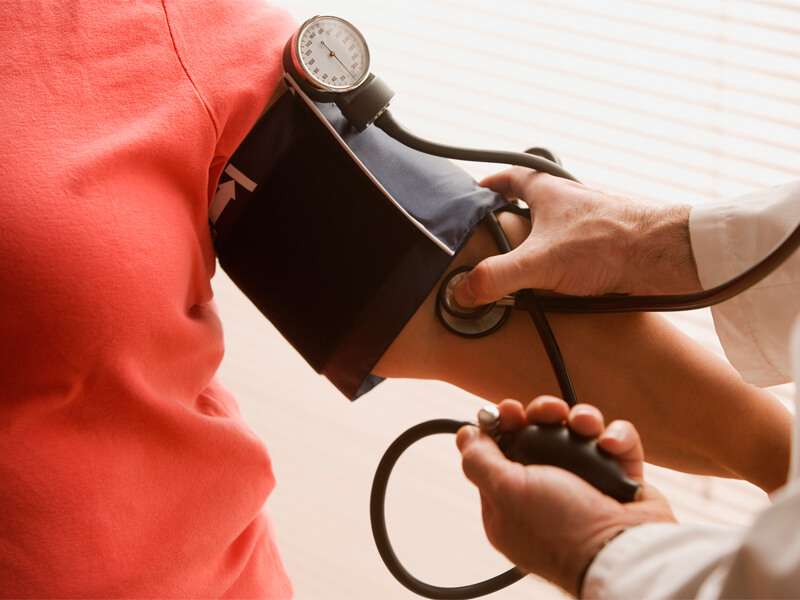
The chronic condition of type 2 diabetes affects how the body processes sugar (glucose). Managing this condition effectively is crucial for maintaining overall health.
- Symptoms: May include increased thirst, frequent urination, fatigue, and blurred vision.
- Causes: Factors include genetics, obesity, sedentary lifestyle, and poor diet choices.
- Diagnosis: Blood tests measuring glucose levels confirm the diagnosis of diabetes or prediabetes status.
- Treatment: Management often involves lifestyle changes like improved diet and exercise; medications may also be prescribed to control blood sugar levels.
- What to expect: Regular monitoring of blood sugar levels helps assess effectiveness; adjustments in treatment plans are made accordingly.
The importance of proactive management cannot be overstated—it significantly reduces the risk of complications such as cardiovascular disease or neuropathy over time.
ACUTE RESPIRATORY INFECTIONS

Acute respiratory infections (ARIs) affect the airways and lungs, causing distressing symptoms that can impact daily life. Common examples include colds and bronchitis.
- Symptoms: Include cough, fever, sore throat, fatigue, and difficulty breathing.
- Causes: Usually viral but can be bacterial; exposure to pathogens is common in crowded places.
- Diagnosis: Medical history combined with a physical examination helps in pinpointing the type of infection.
- Treatment: Most ARIs resolve with rest and fluids; antibiotics may be required if a bacterial cause is suspected.
- What to expect: Recovery usually occurs within a week but follow-up care may be necessary for persistent symptoms.
A timely diagnosis ensures effective treatment and reduces the risk of complications or prolonged illness.
HYPERTENSION
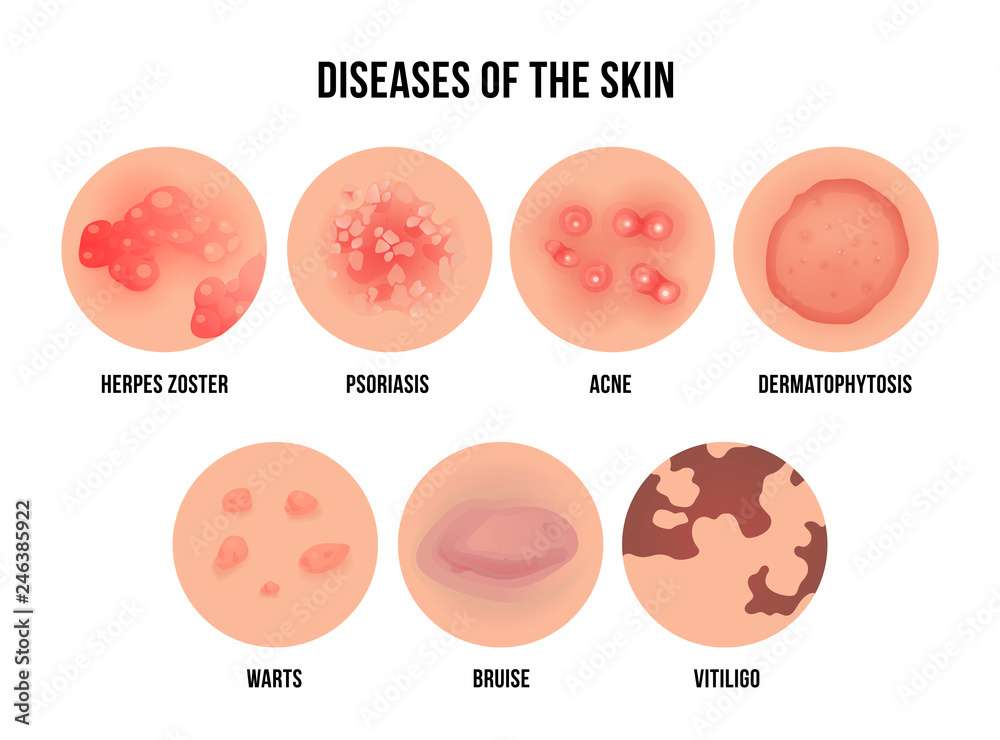
Hypertension, commonly known as high blood pressure, is a prevalent condition that often goes unnoticed until serious complications arise. It can lead to significant health risks if untreated.
- Symptoms: Often asymptomatic; may include headaches, shortness of breath, or nosebleeds.
- Causes: Contributing factors may include obesity, lack of physical activity, smoking, and excessive salt intake.
- Diagnosis: Blood pressure readings over multiple visits are necessary for an accurate diagnosis.
- Treatment: Lifestyle changes such as diet and exercise are essential; medications may also be prescribed for management.
- What to expect: Regular monitoring is vital; follow-up appointments help in adjusting treatment plans as needed.
Ineffective management can lead to heart disease and stroke, making early detection and treatment crucial.