
DrBhag Bamani
About Me
DrBhag Bamani
MD
Anesthesiologist
10 Years Experience
Biography
My Clinic
OPD Hours
| Monday | Morning | 10:00 AM | - | 02:00 PM |
| Evening | 06:00 PM | - | 09:00 PM | |
| Tuesday | Morning | 10:00 AM | - | 02:00 PM |
| Evening | 06:00 PM | - | 09:00 PM | |
| Wednesday | Morning | 10:00 AM | - | 02:00 PM |
| Evening | 06:00 PM | - | 09:00 PM | |
| Thursday | Morning | 10:00 AM | - | 02:00 PM |
| Evening | 06:00 PM | - | 09:00 PM | |
| Friday | Morning | 10:00 AM | - | 02:00 PM |
| Evening | 06:00 PM | - | 09:00 PM | |
| Saturday | Morning | 10:00 AM | - | 02:00 PM |
| Evening | 06:00 PM | - | 09:00 PM | |
| Sunday | Morning | 10:00 AM | - | 02:00 PM |
| Evening | 06:00 PM | - | 09:00 PM |
Treatments
Specialised care and treatments offered
OBSTETRIC ANESTHESIA
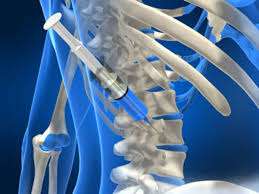
The field of obstetric anesthesia focuses primarily on providing pain relief during labor and delivery. It ensures mothers experience optimal comfort while giving birth through various techniques designed especially for childbirth scenarios
.- Symptoms and Causes: During labor , many women experience intense contractions which can prompt requests for analgesia or anesthetics for supportive care .
- Diagnosis: A comprehensive evaluation involving discussing preferences about labor pain management options assists clinicians in creating an effective plan tailored individually .
- Treatment Options: Epidurals remain among popular choices offering significant relief from contraction-related pains , although other forms like nitrous oxide inhalation could also be considered depending upon circumstances surrounding delivery process .
- What To Expect: With effective application through epidurals , mothers typically report enhanced comfort levels enabling them not only participate actively but also enjoy memorable experiences welcoming their newborns into world .
This specialized care approach prioritizes maternal wellness throughout childbirth journey helping families bond positively together during these invaluable moments.
PAIN MANAGEMENT

Anesthesiologists play a pivotal role in managing acute and chronic pain conditions using various techniques. Effective pain management strategies significantly improve quality of life for those suffering from persistent pain issues due to various underlying causes.
- Symptoms and Causes: Chronic pain may stem from conditions like arthritis or fibromyalgia; accurate diagnosis helps formulate an individualized treatment plan tailored to patient needs.
- Diagnosis: Pain assessments alongside medical history evaluations guide clinicians in determining the best approach; imaging studies may also be involved when necessary.
- Treatment Options: Treatment modalities range from nerve blocks, epidural injections, pharmacologic therapies like analgesics or anti-inflammatories to advanced techniques such as radiofrequency ablation targeted at specific nerves causing pain sensations.
PEDIATRIC ANESTHESIA

Pediatric anesthesia specializes in providing safe anesthesia care for infants and children. Due to their unique physiological characteristics, special considerations are made when administering anesthesia in younger patients.
- Symptoms and Causes: Procedures may vary widely from simple outpatient surgeries like tonsillectomies to more complex cardiac surgeries requiring careful anesthetic management tailored specifically for children.
- Diagnosis: A detailed assessment before any pediatric surgery helps identify potential risks, ensuring the chosen anesthetic plan aligns with the child’s health status.
- Treatment Options: Various approaches are explored such as inhalation agents or intravenous medications that cater specifically to pediatric needs while providing effective pain relief during procedures.
- What to Expect: Parents are usually included in discussions about anesthesia plans; special attention is given during recovery phases as children react differently than adults post-anesthesia.
The approach aims at ensuring minimal discomfort while promoting safety in younger patients undergoing surgical interventions across various specialties.
SEDATION

Sedation is commonly used in various diagnostic and minor surgical procedures to help patients relax while maintaining an appropriate level of consciousness. Utilizing sedatives ensures that anxiety is reduced without complete loss of awareness.
- Symptoms and Causes: High levels of anxiety or discomfort during procedures like endoscopies often necessitate sedation for both patient comfort and cooperation.
- Diagnosis: A preoperative evaluation helps determine the most suitable sedation approach based on individual patient needs, including their medical history.
- Treatment Options: Medications administered intravenously can range from mild tranquilizers to deeper levels of sedation depending on the procedure complexity.
- What to Expect: Patients usually feel relaxed but may have limited memory of the procedure afterward; monitoring continues throughout for safety measures.
Sedation allows countless patients to undergo essential diagnostic tests without significant distress, contributing positively to overall healthcare experiences.
REGIONAL ANESTHESIA

Regional anesthesia focuses on numbing a specific area of the body while allowing the patient to remain awake or sedated. This technique can be invaluable during certain surgeries, minimizing recovery time and complications.
- Symptoms and Causes: Conditions like hernias or knee replacements often require regional anesthesia, targeting only the affected area without impacting overall consciousness.
- Diagnosis: The decision to use regional anesthesia involves evaluating the type of surgery and expected duration, along with patient preferences.
- Treatment Options: Techniques include epidurals or nerve blocks, which involve injecting anesthetic near specific nerves to ensure pain relief in designated regions.
- What to Expect: After administration, sensation typically returns gradually post-surgery, and patients often report faster recovery times compared to general anesthesia.
This method enhances comfort and can lead to improved postoperative outcomes for many patients undergoing localized procedures.
GENERAL ANESTHESIA

General anesthesia is a medical procedure that allows patients to undergo surgery completely pain-free and unconscious. It involves administering medications that ensure patients do not feel any sensations while the surgical team carries out the necessary procedures.
- Symptoms and Causes: Patients may require general anesthesia for various surgical interventions, particularly those involving major organs or significant tissue manipulation.
- Diagnosis: A thorough preoperative assessment including medical history and any potential allergies is essential to determine the suitability of general anesthesia.
- Treatment Options: During the procedure, a combination of intravenous drugs and inhaled agents is utilized. Monitoring vital signs continuously ensures patient safety throughout.
- What to Expect: Post-surgery, it is normal to experience grogginess and some confusion as you wake up from the anesthetic effects; careful observation is maintained during this phase.
Overall, general anesthesia is a well-established practice that allows for painless surgical experiences and effective medical interventions.