
DrChandresh aror
About Me
DrChandresh aror
MBBS
Therapist
10 Years Experience
Biography
My Clinic
OPD Hours
| Monday | Morning | 10:00 AM | - | 02:00 PM |
| Evening | 06:00 PM | - | 09:00 PM | |
| Tuesday | Morning | 10:00 AM | - | 02:00 PM |
| Evening | 06:00 PM | - | 09:00 PM | |
| Wednesday | Morning | 10:00 AM | - | 02:00 PM |
| Evening | 06:00 PM | - | 09:00 PM | |
| Thursday | Morning | 10:00 AM | - | 02:00 PM |
| Evening | 06:00 PM | - | 09:00 PM | |
| Friday | Morning | 10:00 AM | - | 02:00 PM |
| Evening | 06:00 PM | - | 09:00 PM | |
| Saturday | Morning | 10:00 AM | - | 02:00 PM |
| Evening | 06:00 PM | - | 09:00 PM | |
| Sunday | Morning | 10:00 AM | - | 02:00 PM |
| Evening | 06:00 PM | - | 09:00 PM |
Treatments
Specialised care and treatments offered
ANXIETY DISORDER TREATMENT
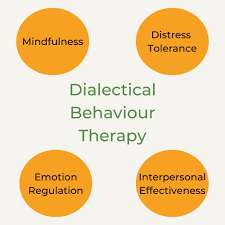
Anxiety disorders encompass various conditions characterized by excessive worry interfering with daily life activities. Managing these effectively improves mental wellbeing considerably.
- Symptoms include constant nervousness,fatigue,sleep problems,muscle tension,and difficulty concentrating.
- Causes /risk factors involve genetics,past trauma,chronic stress,and chemical imbalances.
- Diagnosis relies on clinical interviews using standardized questionnaires alongside ruling out physical illnesses.
- Treatment combines psychotherapy techniques like cognitive-behavioral therapy (CBT), relaxation exercises,and pharmacotherapy if necessary.
- Prognosis is favorable especially with early intervention;patients learn coping strategies enhancing daily functioning.A holistic approach involving lifestyle changes supports therapy making long-term symptom control achievable.
MIGRAINE MANAGEMENT
Migraines are intense headaches often accompanied by nausea, visual disturbances, and sensitivity to light or sound. They may last hours to days impacting daily functioning substantially.
-STROKE REHABILITATION
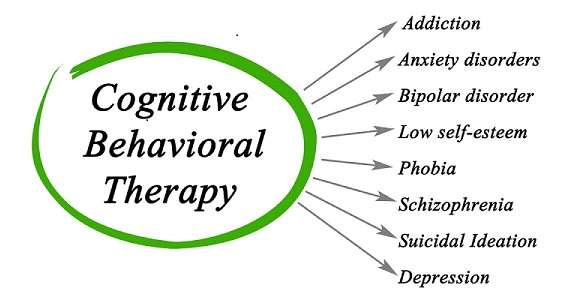
A stroke occurs when blood flow to part of the brain is interrupted leading to loss of function. Rehabilitation after stroke aims to help individuals regain independence and improve quality of life.
- The initial stage includes assessment of physical impairments such as weakness or speech difficulties caused by the stroke damage.
- Cognitive issues stemming from the stroke are identified through neuropsychological testing during rehabilitation planning.
EPILEPTIC SEIZURES
An epileptic seizure results from abnormal electrical activity in the brain causing temporary neurological symptoms. These episodes can vary widely in presentation and duration.
- Symptoms range from sudden jerking movements (convulsions) to brief lapses in attention or awareness depending on seizure type.
- The underlying causes include genetic factors, brain injury, infections, or metabolic imbalances.
- A precise diagnosis requires detailed history taking plus investigations such as electroencephalogram (EEG) and brain imaging studies like MRI.
- Treatment usually consists of antiepileptic drugs tailored to seizure type; some cases may necessitate surgical options or lifestyle adjustments.
- The long-term outlook varies; with proper medication adherence many individuals achieve good seizure control enabling normal activities.
If you suspect seizures it is important to seek assessment promptly as effective management significantly reduces risks associated with recurrent episodes.
PANIC ATTACKS
Panic attacks are sudden episodes of intense fear or discomfort that reach a peak within minutes. They can occur unexpectedly and cause significant distress.
- The symptoms include palpitations, sweating, trembling, shortness of breath, chest pain, dizziness, and fear of losing control or dying.
- The cause often involves a combination of genetic vulnerability and environmental stressors.
- A thorough diagnosis depends on clinical evaluation to exclude other medical conditions with similar presentations.
- Treatment options include cognitive behavioral therapy (CBT), relaxation techniques, and sometimes medications like selective serotonin reuptake inhibitors (SSRIs).
- The prognosis typically improves with timely intervention. Learning coping mechanisms is essential for managing future attacks.
Panic attacks can be very frightening but effective treatments exist that empower patients to regain control over their symptoms.
ACUTE BRONCHITIS
Acute bronchitis is an inflammation of the bronchial tubes that carry air to your lungs. It typically develops suddenly and usually follows a viral respiratory infection.
- Symptoms include persistent cough, production of mucus, wheezing, chest discomfort, and mild fever.
- Causes are mostly viral infections, but sometimes bacterial agents or irritants like smoke can trigger it.
- Diagnosis involves physical examination including listening to the lungs and possibly chest X-rays to rule out pneumonia.
- Treatment primarily focuses on symptom relief such as rest, fluids, and use of cough suppressants or bronchodilators when needed; antibiotics are rarely required.
- What to expect: Symptoms often improve within a few weeks, but cough may persist longer. Avoiding irritants helps recovery.
This condition generally resolves without complications if properly managed, but medical consultation is advised when symptoms worsen or persist.