
DrDinesh Mangal
About Me
DrDinesh Mangal
MBBS
Oncologist
10 Years Experience
Biography
My Clinic
OPD Hours
| Monday | Morning | 10:00 AM | - | 02:00 PM |
| Evening | 06:00 PM | - | 09:00 PM | |
| Tuesday | Morning | 10:00 AM | - | 02:00 PM |
| Evening | 06:00 PM | - | 09:00 PM | |
| Wednesday | Morning | 10:00 AM | - | 02:00 PM |
| Evening | 06:00 PM | - | 09:00 PM | |
| Thursday | Morning | 10:00 AM | - | 02:00 PM |
| Evening | 06:00 PM | - | 09:00 PM | |
| Friday | Morning | 10:00 AM | - | 02:00 PM |
| Evening | 06:00 PM | - | 09:00 PM | |
| Saturday | Morning | 10:00 AM | - | 02:00 PM |
| Evening | 06:00 PM | - | 09:00 PM | |
| Sunday | Morning | 10:00 AM | - | 02:00 PM |
| Evening | 06:00 PM | - | 09:00 PM |
Treatments
Specialised care and treatments offered
ONCOLOGIC HYPERCALCEMIA
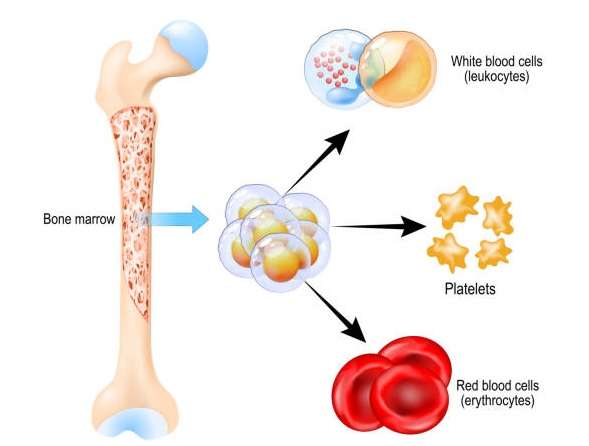
An elevated calcium level in the blood due to malignancy, known as hypercalcemia of malignancy, is a frequent metabolic complication affecting patients with advanced cancers. It requires prompt recognition and management to avoid serious effects on organs including the heart and brain.
- Causative mechanisms: Excessive calcium release occurs either by bone destruction from metastases or secretion of hormone-like substances by tumor cells.
- Selecting diagnostic tests:
SUPERIOR VENA CAVA SYNDROME

This syndrome develops when a tumor obstructs the superior vena cava — a major vein carrying blood from the upper body back to the heart — causing swelling and venous congestion. It commonly occurs with thoracic malignancies like lung cancer or lymphoma.
- Presenting symptoms: Facial swelling, neck vein distention, shortness of breath, cough, or headache are typical signs due to impaired blood flow.
- Diagnostic methods: Imaging studies such as CT scans evaluate obstruction extent; clinical exam guides urgency assessment.
- Treatment modalities: Radiation therapy or chemotherapy may shrink tumors causing blockage; stenting can restore venous flow rapidly in severe cases.
- Status monitoring: Symptom relief timing varies but early intervention helps prevent life-threatening complications like cerebral edema or airway obstruction.
If signs suggesting this syndrome appear during oncological care, urgent evaluation is critical for optimal outcomes.
TUMOR LYSIS SYNDROME
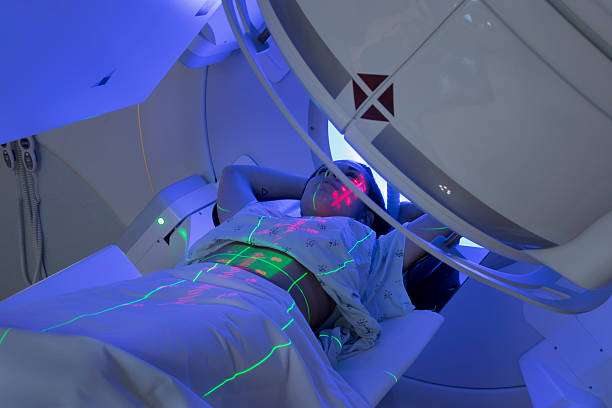
Tumor Lysis Syndrome (TLS) is a metabolic emergency occurring when large numbers of cancer cells break down rapidly, releasing their contents into the bloodstream. It most often happens after starting treatment for certain fast-growing cancers.
- Causative factors: Common in leukemias and lymphomas following chemotherapy initiation; causes imbalances in electrolytes like potassium, phosphate, and uric acid.
- Syndrome recognition: Symptoms include nausea, muscle cramps, irregular heartbeat, or decreased urine output; lab tests confirm biochemical abnormalities.
- Treatment strategies: Preventive hydration and medications such as allopurinol or rasburicase help control uric acid levels; close monitoring in hospital settings is often necessary.
- Outcomes: Prompt management reduces risk of kidney failure and other complications associated with TLS.
A proactive approach can effectively minimize this potentially life-threatening complication during cancer therapy.
SPINAL CORD COMPRESSION FROM METASTATIC CANCER
This condition arises when cancer spreads to the bones near the spinal cord, causing pressure on the spinal nerves. It is an urgent oncologic emergency requiring rapid evaluation and intervention.
- Common symptoms: Sudden back pain, weakness in limbs, numbness or loss of bladder/bowel control may occur.
- Diagnosis process: MRI scans are critical in assessing spinal cord involvement and planning treatment.
- Treatment approaches: High-dose steroids reduce swelling; radiation therapy or surgery may be needed to relieve compression depending on the case.
- Prognosis considerations: Early diagnosis improves chances of preserving neurological function and quality of life.
If you experience acute neurological symptoms during cancer care, immediate medical attention is essential to prevent permanent damage.
CHEMOTHERAPY-INDUCED NEUTROPENIA
Neutropenia is a common and potentially serious complication during cancer treatment that results from low levels of neutrophils, a type of white blood cell important for fighting infections. It can increase the risk of infections and requires careful monitoring.
- Symptoms and causes: Patients often experience fever or chills; neutropenia usually develops after chemotherapy as it suppresses bone marrow activity.
- Diagnosis: Blood tests measuring absolute neutrophil count (ANC) confirm the condition.
- Treatment options: Management includes prompt antibiotics for infections, growth factors like G-CSF to stimulate white cell production, and sometimes adjusting chemotherapy doses.
- Expectations: With timely intervention, patients can recover their neutrophil counts, allowing continuation of cancer therapy safely.
Awareness and early detection are crucial to prevent serious infections related to neutropenia during cancer care.