
DrDKRamawat
About Me
DrDKRamawat
MD
Cardiologist
10 Years Experience
Biography
My Clinic
OPD Hours
| Monday | Morning | 10:00 AM | - | 02:00 PM |
| Evening | 06:00 PM | - | 09:00 PM | |
| Tuesday | Morning | 10:00 AM | - | 02:00 PM |
| Evening | 06:00 PM | - | 09:00 PM | |
| Wednesday | Morning | 10:00 AM | - | 02:00 PM |
| Evening | 06:00 PM | - | 09:00 PM | |
| Thursday | Morning | 10:00 AM | - | 02:00 PM |
| Evening | 06:00 PM | - | 09:00 PM | |
| Friday | Morning | 10:00 AM | - | 02:00 PM |
| Evening | 06:00 PM | - | 09:00 PM | |
| Saturday | Morning | 10:00 AM | - | 02:00 PM |
| Evening | 06:00 PM | - | 09:00 PM | |
| Sunday | Morning | 10:00 AM | - | 02:00 PM |
| Evening | 06:00 PM | - | 09:00 PM |
Treatments
Specialised care and treatments offered
PERIPHERAL ARTERY DISEASE MANAGEMENT

A disorder characterized by narrowed vessels reducing blood flow primarily to limbs. It can cause pain during walking and increase cardiovascular risk requiring comprehensive management efforts focusing on circulation improvement without immediate surgery needs for most patients.
- Etiology & Symptoms : Atherosclerosis leads mostly along with leg cramps (claudication), numbness or wounds healing poorly on feet .
- Diagnostic Techniques : Physical exams supplemented by ankle-brachial index measurements , Doppler ultrasound scans help confirm diagnosis .
- Non-Surgical Treatment Focus : Structured exercise programs improve circulation ; quitting tobacco ; controlling diabetes & lipids ; antiplatelet agents prescribed where necessary .
- Expected Outcomes : Symptoms generally alleviate with consistent adherence allowing improved mobility & reduced limb ischemia risks .
Ongoing evaluation ensures treatment refinement supporting patient independence through effective peripheral artery disease control .
CORONARY ARTERY DISEASE PREVENTION
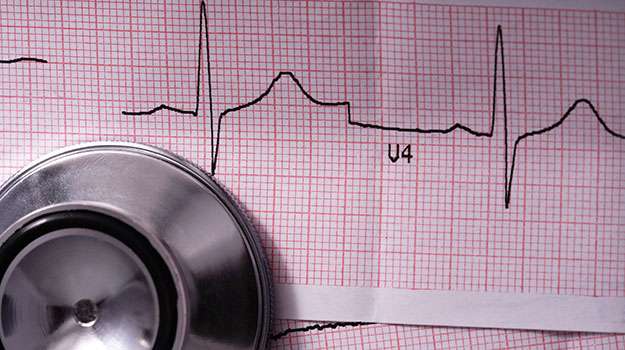
This illness involves narrowing of the coronary arteries supplying the heart muscle due mainly to atherosclerosis. Preventive strategies focus on slowing or halting its progress before severe consequences occur.
- Main Causes & Indicators: A combination of high cholesterol levels, smoking habits, hypertension, diabetes contribute strongly; sometimes chest pain (angina) signals affected arteries.
- Evidential Evaluation: This involves stress tests and imaging techniques identifying blockages while assessing functional impact on myocardial tissue viability.
- Lifestyle Modification: These include quitting smoking immediately; adopting a Mediterranean-style diet rich in vegetables; routine physical activity; stringent weight control protocols .
- Medication Use : Where appropriate , antiplatelet drugs , statins , ACE inhibitors help reduce cardiovascular risks under physician guidance .
Committing fully to preventive actions plays an indispensable part in maintaining long-term coronary artery health , reducing chances for heart attack .
HEART FAILURE LIFESTYLE SUPPORT
This condition arises when the heart's ability to pump blood efficiently diminishes. While medical treatment is essential, lifestyle adjustments play a vital role alongside medications in managing heart failure symptoms.
- Causal Factors & Symptoms: Common causes include coronary artery disease or hypertension; patients often experience breathlessness, fatigue, and swelling in legs.
- Assessment Tools: Echocardiograms evaluate cardiac function while symptom diaries help monitor daily challenges experienced by patients.
- Lifestyle Recommendations: Sodium restriction in diet, fluid intake monitoring, regular moderate exercise tailored individually, avoiding alcohol/tobacco use are key components.
- Treatment Goals:The aim is improving functional status and reducing hospitalizations through integrated care plans combining medication adherence with lifestyle changes efficiently monitored by healthcare providers.
An attentive approach to lifestyle alongside clinical therapy significantly improves outcomes for those living with heart failure over time.
ARRHYTHMIA MONITORING AND CARE
An arrhythmia refers to any irregularity in the heartbeat's rhythm that can range from harmless to life-threatening. Early detection allows better control and prevention of complications.
- Symptoms and Causes: Palpitations, lightheadedness, or chest discomfort often signal arrhythmias; they may result from underlying heart conditions or electrolyte imbalances.
- Diagnostic Methods: Electrocardiograms (ECG), Holter monitoring, or event recorders track abnormal rhythms over time for accurate diagnosis.
- Therapeutic Approaches: Lifestyle modifications including stress reduction; avoidance of stimulants like caffeine; medications such as beta-blockers; and sometimes device implantation if needed.
- Percautions & Prognosis: Proper treatment keeps arrhythmias controlled with focus on preventing stroke or sudden cardiac events in high-risk cases.
Cultivating awareness about arrhythmia symptoms fosters timely consultations leading to personalized management strategies that enhance quality of life.
CHOLESTEROL CONTROL
Maintaining healthy cholesterol levels is crucial for cardiovascular health. Elevated cholesterol contributes to plaque buildup in arteries, increasing the risk of heart disease.
- Recognition: High cholesterol usually has no direct symptoms but can be suspected with a family history of heart disease.
- Evaluation: Blood tests measure LDL, HDL, and triglycerides to assess cardiovascular risk profiles.
- Lifestyle Interventions: Emphasizes diet rich in fiber and low in saturated fats, regular exercise, smoking cessation, and weight control.
- Treatment Options: When lifestyle changes are insufficient, statins or other lipid-lowering agents may be prescribed under medical supervision.
A disciplined approach to cholesterol management effectively lowers the likelihood of artery blockage and promotes long-term heart health.
HYPERTENSION MANAGEMENT
Hypertension, or high blood pressure, is a common cardiovascular condition that requires careful management to prevent serious complications. It can silently damage organs over time without causing obvious symptoms.
- Causes and Symptoms: Often linked to lifestyle factors such as diet, stress, and inactivity; symptoms may be absent or include headaches and dizziness.
- Diagnosis: Regular blood pressure monitoring using sphygmomanometers or ambulatory devices to confirm sustained elevation above 130/80 mmHg.
- Treatment: Involves lifestyle changes like dietary salt reduction, increased physical activity, weight management, and possibly antihypertensive medications.
- Management Expectations: Patients should expect ongoing monitoring with gradual adjustments to therapy aimed at achieving target blood pressure levels safely.
Proper handling of hypertension slows disease progression and reduces risks of heart attacks and strokes through consistent adherence to treatment plans.