
DrGaurs Eye Cen
About Me
DrGaurs Eye Cen
DO
Ophthalmologist
Biography
My Clinic
OPD Hours
| Monday | Morning | 10:00 AM | - | 02:00 PM |
| Evening | 06:00 PM | - | 09:00 PM | |
| Tuesday | Morning | 10:00 AM | - | 02:00 PM |
| Evening | 06:00 PM | - | 09:00 PM | |
| Wednesday | Morning | 10:00 AM | - | 02:00 PM |
| Evening | 06:00 PM | - | 09:00 PM | |
| Thursday | Morning | 10:00 AM | - | 02:00 PM |
| Evening | 06:00 PM | - | 09:00 PM | |
| Friday | Morning | 10:00 AM | - | 02:00 PM |
| Evening | 06:00 PM | - | 09:00 PM | |
| Saturday | Morning | 10:00 AM | - | 02:00 PM |
| Evening | 06:00 PM | - | 09:00 PM | |
| Sunday | Morning | 10:00 AM | - | 02:00 PM |
| Evening | 06:00 PM | - | 09:00 PM |
Treatments
Specialised care and treatments offered
DIABETIC RETINOPATHY TREATMENT
Diabetic retinopathy is an eye complication stemming from diabetes that affects blood vessels in the retina. With increasing prevalence due to rising diabetes rates worldwide awareness about its management becomes essential!
- Symptoms might not appear until late stages but could include blurred vision empty spots floating in view changes colors sensitivity!
- Regular screening through dilated fundus examinations assists timely diagnosis - detecting changes before severe damage transpires!
- Treatment options range from lifestyle adjustments managing blood sugar effectively medications injections laser therapy vitrectomy in advanced cases necessary!
Timely intervention supports long-term retinal health significantly improving quality life avoiding catastrophic outcomes overall!
PTERYGIUM SURGERY
Pterygium is a growth of tissue on the conjunctiva that can extend over the cornea. It often arises due to prolonged exposure to UV light or irritants but may have genetic predispositions as well. Surgical removal can alleviate discomfort and restore cosmetic appearance.
- Patients frequently report symptoms such as redness, irritation, or a feeling of something in their eye when pterygium develops.
- An ophthalmologist evaluates this condition through a standard examination focusing on visual acuity and ocular surface health assessments for diagnosis!
- Surgery typically includes excising the growth and may involve grafting healthy conjunctival tissue to reconstructively repair the area affected by pterygium.
This procedure helps improve comfort levels significantly while preventing recurrence via proper management strategies post-surgery!
GLAUCOMA MANAGEMENT
Glaucoma is an eye disease that gradually damages the optic nerve and can result in blindness if left untreated. It often develops without noticeable symptoms until significant damage has occurred; hence proactive management is crucial for preserving sight.
- The leading cause of glaucoma is raised intraocular pressure, although normal-tension glaucoma also occurs without elevated pressure levels.
- A comprehensive eye exam including tonometry measures this pressure alongside an evaluation of peripheral vision helps in diagnosis.
- Treatment options include prescription eye drops aimed at reducing intraocular pressure or surgical procedures such as trabeculectomy if medications are insufficient.
This chronic condition requires ongoing monitoring to prevent progression; adherence to treatment plans greatly improves outcomes.
RETINAL DETACHMENT REPAIR
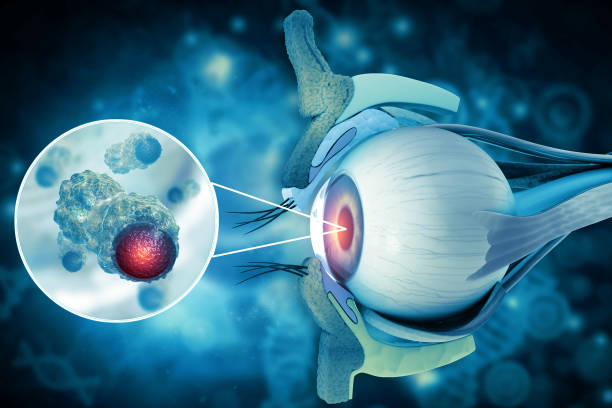
A retinal detachment occurs when the retina separates from its underlying layer of support tissue. This serious condition can lead to permanent vision loss if not treated promptly; thus, understanding it is vital for prevention and early intervention.
- Key symptoms often reported include sudden flashes of light, floaters in the field of vision, and a shadow or curtain effect over part of your sight.
- Dilated eye exams help diagnose this condition by allowing detailed inspection of the retina's status.
- Treatment may involve laser surgery or vitrectomy depending on severity; both aim to reattach the retina effectively.
Timely repair can restore vision significantly better than no treatment at all; regular check-ups can help catch issues early.
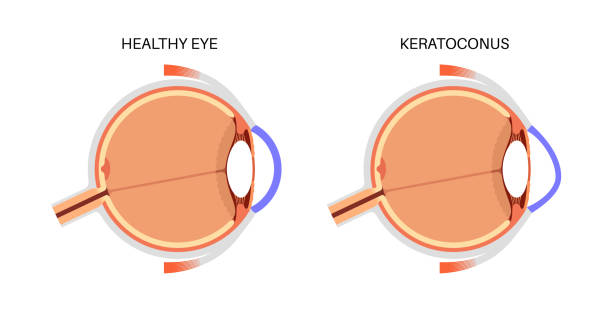
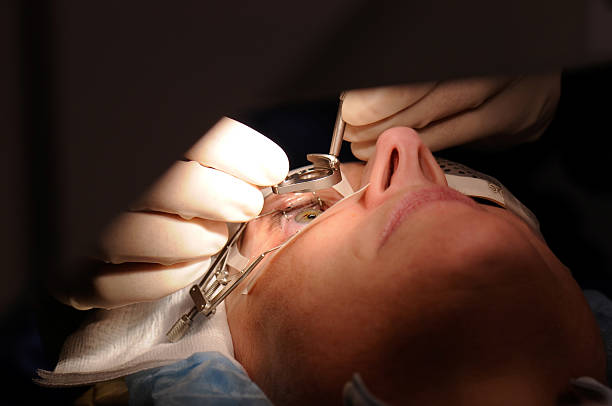
LASER VISION CORRECTION (PRK AND LASIK)
Laser Vision Correction addresses refractive errors like myopia, hyperopia, and astigmatism. Utilizing precise laser technology, this procedure reshapes the cornea to improve vision without glasses or contact lenses.
- Common indications include difficulty focusing on objects up close or far away due to refractive errors.
- A thorough eye examination, including corneal mapping, determines candidacy for these procedures.
- Both PRK and LASIK are minimally invasive with quick recovery times; they require careful pre-operative planning for optimal outcomes.
- Pain during recovery is usually minimal; however, following post-surgery guidelines is crucial for healing.
This innovative approach can drastically reduce dependence on corrective eyewear.
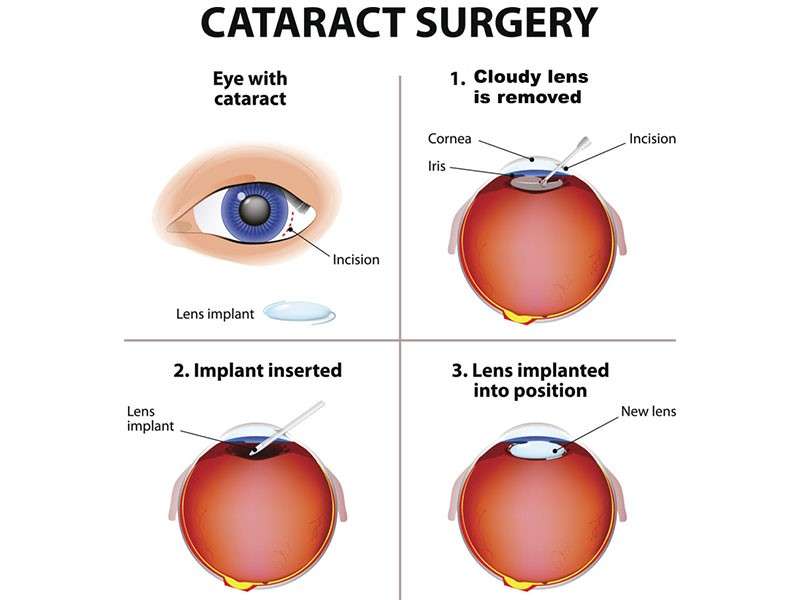
CATARACT SURGERY
Cataracts are a common condition that affects the lens of the eye, leading to clouded vision. The surgery aims to remove the cloudy lens and replace it with a clear artificial one, restoring clarity in vision.
- Symptoms include blurred or dim vision, difficulty seeing at night, and sensitivity to light.
- The condition is typically diagnosed through a comprehensive eye exam that assesses visual acuity and checks for cataract formation.
- Treatment primarily involves surgical intervention, which can be performed using advanced techniques such as phacoemulsification.
- Post-operative care is essential; patients may experience improved vision within days but should follow their doctor's advice for optimal recovery.
Cataract surgery is generally safe and effective, significantly enhancing quality of life for those affected.