
DrGopal Prasad S
About Me
DrGopal Prasad S
MBBS
General Physician
10 Years Experience
Biography
My Clinic
OPD Hours
| Monday | Morning | 10:00 AM | - | 02:00 PM |
| Evening | 06:00 PM | - | 09:00 PM | |
| Tuesday | Morning | 10:00 AM | - | 02:00 PM |
| Evening | 06:00 PM | - | 09:00 PM | |
| Wednesday | Morning | 10:00 AM | - | 02:00 PM |
| Evening | 06:00 PM | - | 09:00 PM | |
| Thursday | Morning | 10:00 AM | - | 02:00 PM |
| Evening | 06:00 PM | - | 09:00 PM | |
| Friday | Morning | 10:00 AM | - | 02:00 PM |
| Evening | 06:00 PM | - | 09:00 PM | |
| Saturday | Morning | 10:00 AM | - | 02:00 PM |
| Evening | 06:00 PM | - | 09:00 PM | |
| Sunday | Morning | 10:00 AM | - | 02:00 PM |
| Evening | 06:00 PM | - | 09:00 PM |
Treatments
Specialised care and treatments offered
THYROID DISORDERS
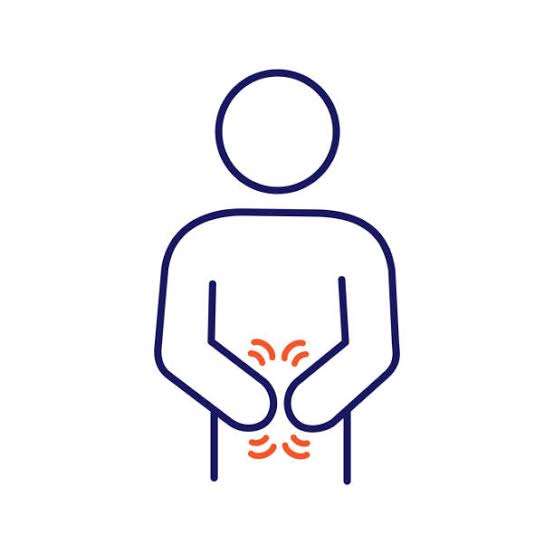
The thyroid gland plays a pivotal role in regulating numerous bodily functions through hormone production. Disorders related to this gland require careful attention due to their systemic effects on health outcomes.
- Symptoms: Hyperthyroidism might present as weight loss , increased heart rate whereas hypothyroidism could cause fatigue , weight gain .
- Causes: Autoimmune diseases such as Graves’ disease , Hashimoto’s thyroiditis contribute heavily towards these conditions .
- Diagnosis: Blood tests measuring hormone levels form the foundation for accurate diagnosis .
- Management approaches : Options range from medication administration -like levothyroxine -to surgical interventions depending on severity .
The journey managing thyroid disorders becomes smoother with ongoing support from healthcare providers who ensure correct diagnosis & treatment tailored individually
)GASTROESOPHAGEAL REFLUX DISEASE (GERD)

This chronic digestive condition occurs when stomach acid flows back into the food pipe. Understanding GERD's triggers can help mitigate symptoms effectively.
- Symptoms: Heartburn, regurgitation of bitter acid into the throat or mouth; difficulty swallowing may also occur.
- Causes: Obesity, dietary choices such as spicy foods or caffeine intake may exacerbate reflux episodes.
- Diagnosis: A combination of medical history assessment and tests like endoscopy may be involved.
- Treatment options: Lifestyle modifications alongside antacids or prescription medications play a role in managing GERD effectively.
With appropriate interventions in place for GERD management including dietary adjustments , patients experience significant improvement in their quality of life .
CHOLESTEROL MANAGEMENT

Elevated cholesterol levels can lead to cardiovascular disease if not addressed timely. Routine checks are important for maintaining heart health for all age groups.
- Symptoms: High cholesterol typically has no symptoms but can lead to heart attacks or strokes if untreated.
- Main causes: Poor diet high in saturated fats and trans fats; sedentary lifestyle; genetic factors contribute significantly as well.
- Disease management: Regular blood tests assess lipid levels; dietary changes are crucial when managing cholesterol levels effectively.
ASTHMA
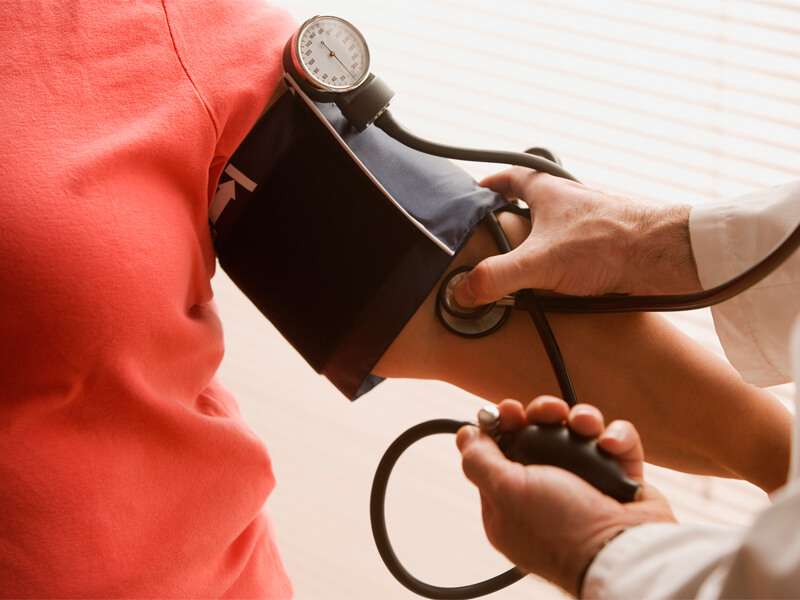
Asthma is a chronic respiratory condition that causes the airways to become inflamed and narrowed. Awareness of triggers and proper management is key to controlling symptoms.
- Symptoms: Wheezing, coughing, chest tightness, and shortness of breath are common indicators.
- Causes: Allergens like pollen or dust mites, respiratory infections, exercise can provoke asthma attacks.
- Diagnosis: Pulmonary function tests help measure lung capacity and response to medication.
- Treatment methods: Inhalers—both relievers and controllers—are used along with avoiding known triggers to keep symptoms at bay.
A well-structured asthma action plan developed with healthcare providers can result in better control of this chronic condition and improved daily functioning for patients.
DIABETES MANAGEMENT

Diabetes is a chronic condition that affects how your body processes glucose. Effective management helps prevent complications and improve quality of life.
- Types: Type 1 diabetes is insulin-dependent while Type 2 is often lifestyle-related.
- Symptoms: Increased thirst, frequent urination, hunger, fatigue, blurred vision.
- Diagnosis: Blood tests measuring glucose levels are essential for proper diagnosis.
- Treatment approaches: May include insulin therapy for Type 1 and lifestyle changes for Type 2 such as diet modifications and exercise.
A comprehensive plan involving education about the disease can make a significant difference in managing diabetes effectively over time.
HYPERTENSION
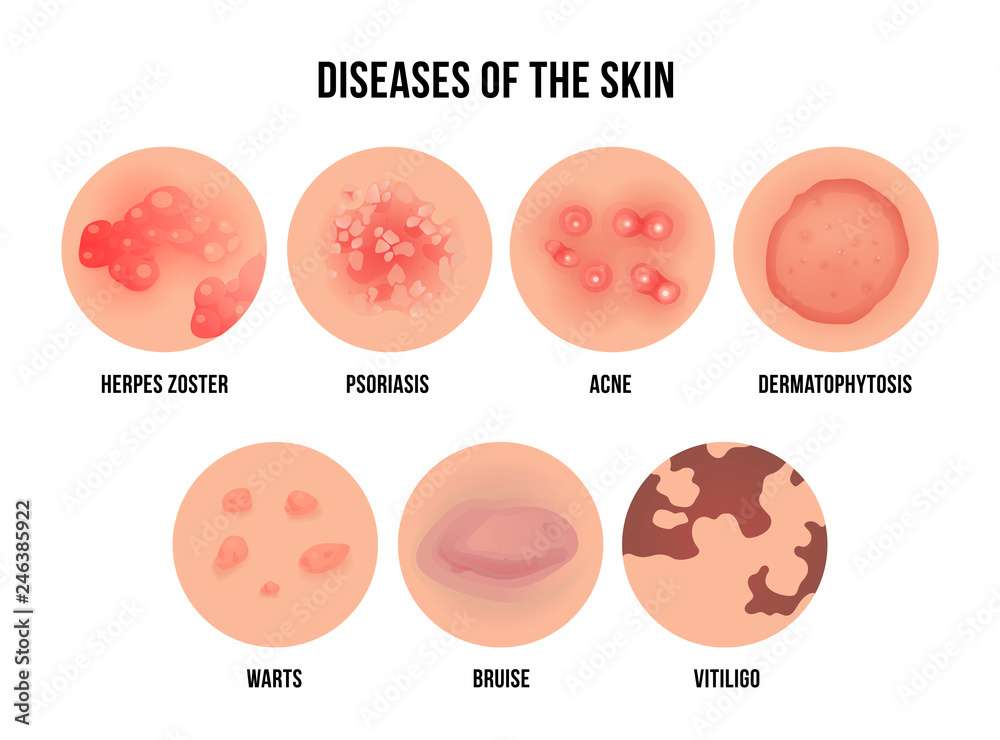
High blood pressure, or hypertension, is a common condition that can lead to serious health problems if left unmanaged. It often has no symptoms, which is why regular monitoring is crucial.
- Symptoms: Often asymptomatic; severe cases may cause headaches, shortness of breath, or nosebleeds.
- Causes: Factors include diet high in salt, lack of physical activity, obesity, and genetics.
- Diagnosis: Typically diagnosed using blood pressure measurements taken on multiple occasions.
- Treatment options: Lifestyle changes, medications like diuretics or ACE inhibitors.
- Management: Regular monitoring and adjustments in treatment based on blood pressure readings are vital.
Understanding hypertension's intricacies can empower individuals to take control of their health through effective management strategies.