DrGovind Gupta H
About Me
DrGovind Gupta H
MBBS
General Physician
10 Years Experience
Biography
My Clinic
OPD Hours
| Monday | Morning | 10:00 AM | - | 02:00 PM |
| Evening | 06:00 PM | - | 09:00 PM | |
| Tuesday | Morning | 10:00 AM | - | 02:00 PM |
| Evening | 06:00 PM | - | 09:00 PM | |
| Wednesday | Morning | 10:00 AM | - | 02:00 PM |
| Evening | 06:00 PM | - | 09:00 PM | |
| Thursday | Morning | 10:00 AM | - | 02:00 PM |
| Evening | 06:00 PM | - | 09:00 PM | |
| Friday | Morning | 10:00 AM | - | 02:00 PM |
| Evening | 06:00 PM | - | 09:00 PM | |
| Saturday | Morning | 10:00 AM | - | 02:00 PM |
| Evening | 06:00 PM | - | 09:00 PM | |
| Sunday | Morning | 10:00 AM | - | 02:00 PM |
| Evening | 06:00 PM | - | 09:00 PM |
Treatments
Specialised care and treatments offered
VASCULAR DISEASES
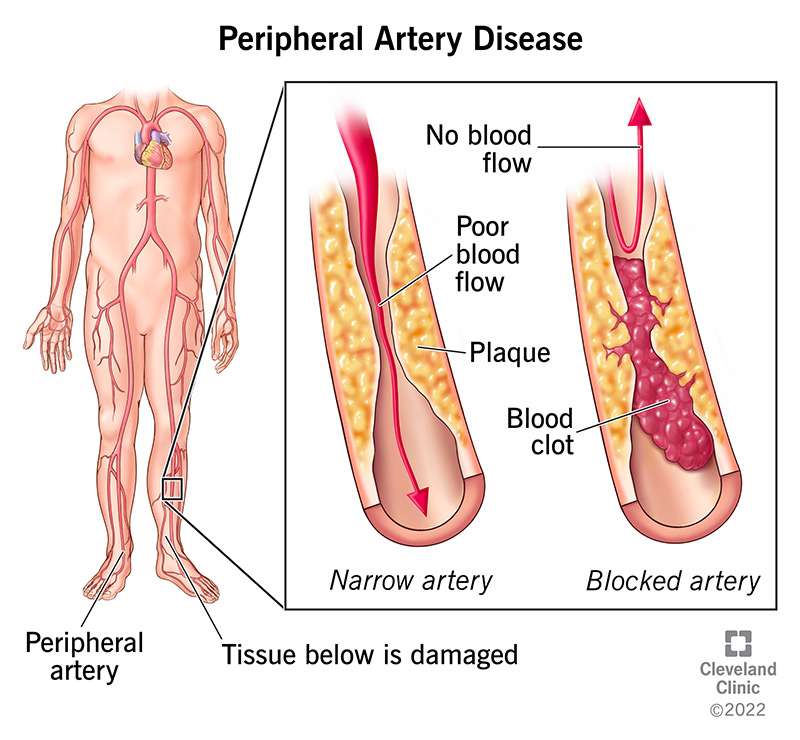
Vascular Diseases encompass a range of conditions affecting the blood vessels, including peripheral artery disease (PAD), carotid artery disease, and venous disorders. Effective management aims to alleviate symptoms, prevent complications, and improve quality of life.
🩺 Lifestyle Modifications
Adopting a heart-healthy lifestyle is foundational in managing vascular diseases:
- Smoking Cessation: Quitting smoking is crucial, as tobacco use accelerates atherosclerosis and increases the risk of cardiovascular events .prathimahospitals.com
- Dietary Changes: Emphasizing fruits, vegetables, whole grains, and lean proteins while reducing saturated fats helps manage cholesterol levels and blood pressure.
- Regular Exercise: Engaging in physical activity improves circulation and overall vascular health.
- Weight Management: Maintaining a healthy weight reduces strain on the cardiovascular system.
💊 Medications
Pharmacological interventions are tailored to individual needs:
- Antiplatelet Agents: Medications like aspirin or clopidogrel help prevent blood clots, reducing the risk of heart attacks and strokes .
- Statins: These drugs lower cholesterol levels, stabilizing plaques and preventing vascular events.
- Antihypertensives: Controlling blood pressure with medications such as ACE inhibitors or beta-blockers is essential in managing vascular health.
- Diabetes Management: Maintaining blood sugar levels within target ranges reduces the risk of complications in diabetic patients with vascular issues.
🥠Surgical and Interventional Procedures
In advanced cases, surgical interventions may be necessary:
- Angioplasty and Stenting: A balloon is used to open narrowed arteries, and a stent may be placed to keep the artery open .
- Atherectomy: Plaque is removed from the arteries to restore blood flow.
- Bypass Surgery: A graft is used to reroute blood around blocked arteries.
- Endarterectomy: Surgical removal of fatty deposits from artery walls.
- Thrombolytic Therapy: Clot-dissolving drugs are administered to treat acute blockages
🩹 Wound Care and Compression Therapy
For conditions like venous ulcers or PAD-related wounds:
- Wound Care: Proper cleaning and dressing of ulcers promote healing.
- Compression Therapy: Using compression stockings helps reduce swelling and improve blood flow in venous diseases .
Conclusion
Managing vascular diseases requires a multifaceted approach, including lifestyle modifications, medications, and, when necessary, surgical interventions. Early detection and consistent management are key to preventing complications and enhancing quality of life. Regular check-ups and collaboration with healthcare providers are essential components of effective vascular disease management.
KIDNEY DISEASES
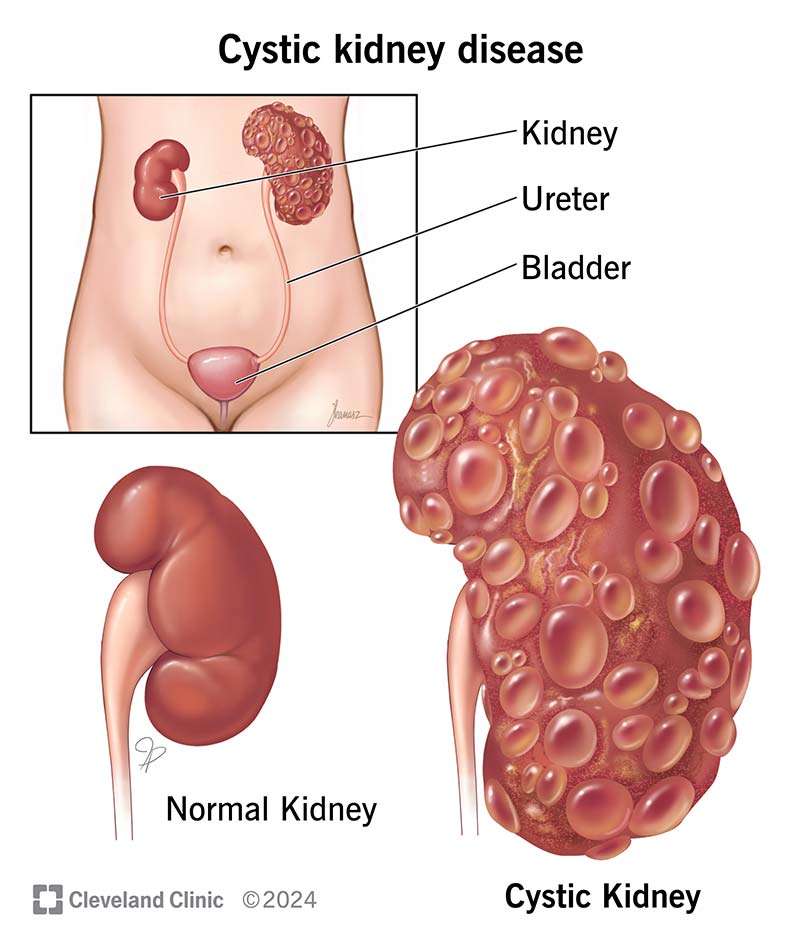
Kidney Diseases encompass a spectrum of conditions affecting kidney function, ranging from acute kidney injury (AKI) to chronic kidney disease (CKD). Effective management is crucial to prevent progression to end-stage renal disease (ESRD).
🩺 Treatment Approaches
1. Lifestyle Modifications
- Dietary Adjustments: Implementing a renal diet that limits sodium, phosphorus, potassium, and protein intake can alleviate kidney workload. This dietary approach helps manage electrolyte imbalances and reduces fluid retention .
- Hydration: Maintaining adequate fluid intake is essential, but in certain cases, fluid restrictions may be necessary to prevent fluid overload. Monitoring urine output and adjusting fluid intake accordingly is vital .
- Physical Activity: Engaging in regular exercise helps control blood pressure and improves overall health, which is beneficial for kidney function .
2. Pharmacological Interventions
- Blood Pressure Management: Angiotensin-converting enzyme (ACE) inhibitors and angiotensin II receptor blockers (ARBs) are commonly prescribed to control blood pressure and reduce proteinuria, thereby slowing CKD progression .
- Anemia Treatment: Erythropoiesis-stimulating agents (ESAs) and iron supplements are used to address anemia associated with CKD .
- Cholesterol Control: Statins may be recommended to manage elevated cholesterol levels, reducing cardiovascular risks in CKD patients .
3. Renal Replacement Therapy (RRT)
- Dialysis: Hemodialysis and peritoneal dialysis are employed when kidneys can no longer effectively filter waste products. Hemodialysis uses a machine to filter blood, while peritoneal dialysis uses the lining of the abdomen .
- Kidney Transplantation: A kidney transplant involves replacing a diseased kidney with a healthy one from a donor. This option is considered for eligible patients with ESRD .
4. Emerging Therapies
- Daprodustat: An oral medication approved for treating anemia due to CKD, offering an alternative to injectable ESAs .
Conclusion
Managing kidney disease requires a multifaceted approach, including lifestyle modifications, pharmacological treatments, and, when necessary, renal replacement therapies. Early detection and consistent management are key to preserving kidney function and improving patient outcomes. Regular monitoring and collaboration with healthcare providers are essential components of effective kidney disease management.
BREAST AND THYROID DISEASES
Breast Diseases
1. Breast Cancer
The most common malignancy among women globally, breast cancer originates in the breast cells, often presenting as lumps, changes in breast shape, or skin dimpling. Risk factors include age, family history, hormonal exposure, and lifestyle choices. Treatment modalities encompass surgery, chemotherapy, radiation therapy, and hormone therapy, tailored to cancer type and stage.
2. Benign Breast Conditions
These include fibroadenomas, cysts, and fibrocystic changes, which are non-cancerous but may cause discomfort or anxiety. Management often involves monitoring, aspiration of cysts, or surgical removal if necessary.
🩺 Thyroid Diseases
1. Hypothyroidism
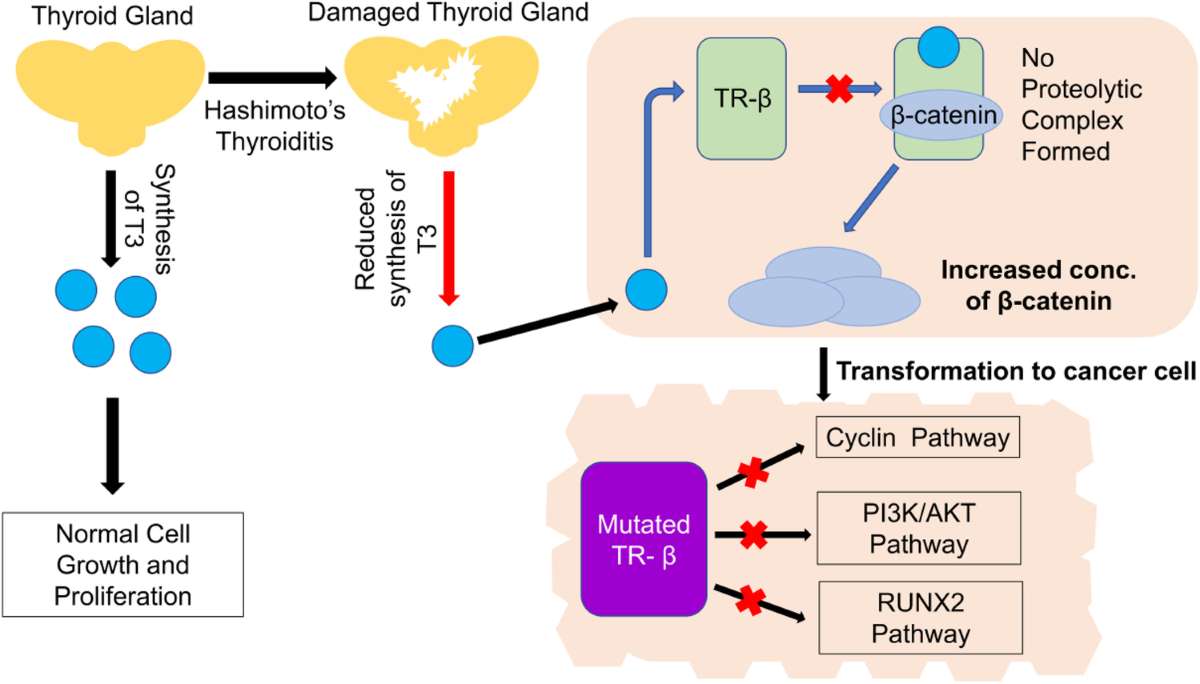
Characterized by insufficient thyroid hormone production, leading to symptoms like fatigue, weight gain, and depression. Common causes include Hashimoto's thyroiditis and iodine deficiency. Treatment typically involves thyroid hormone replacement therapy.
2. Hyperthyroidism
An overactive thyroid produces excess hormones, causing symptoms such as weight loss, rapid heartbeat, and anxiety. Graves' disease is a common cause. Management options include antithyroid medications, radioactive iodine therapy, or surgery.
3. Thyroid Cancer
Although rare, thyroid cancer can occur, with papillary carcinoma being the most common type. Treatment usually involves surgical removal of the thyroid gland, followed by radioactive iodine therapy.
🔗 Interconnections Between Breast and Thyroid Diseases
Recent studies suggest a potential link between thyroid disorders and an increased risk of breast cancer. For instance, hyperthyroidism and autoimmune thyroid diseases like Hashimoto's thyroiditis have been associated with a higher incidence of breast cancer. Conversely, hypothyroidism may be linked to a reduced risk, though findings are inconsistent and require further investigation.
Additionally, patients with thyroid cancer may have an elevated risk of developing breast cancer, particularly if they have a family history of cancer or have undergone radiation therapy.
Conclusion
Understanding the relationship between breast and thyroid diseases is crucial for early detection and management. Patients with thyroid disorders should be monitored for breast health, and vice versa, to ensure comprehensive care. Regular screenings and consultations with healthcare providers are recommended for individuals at risk.
HEMORRHOIDS
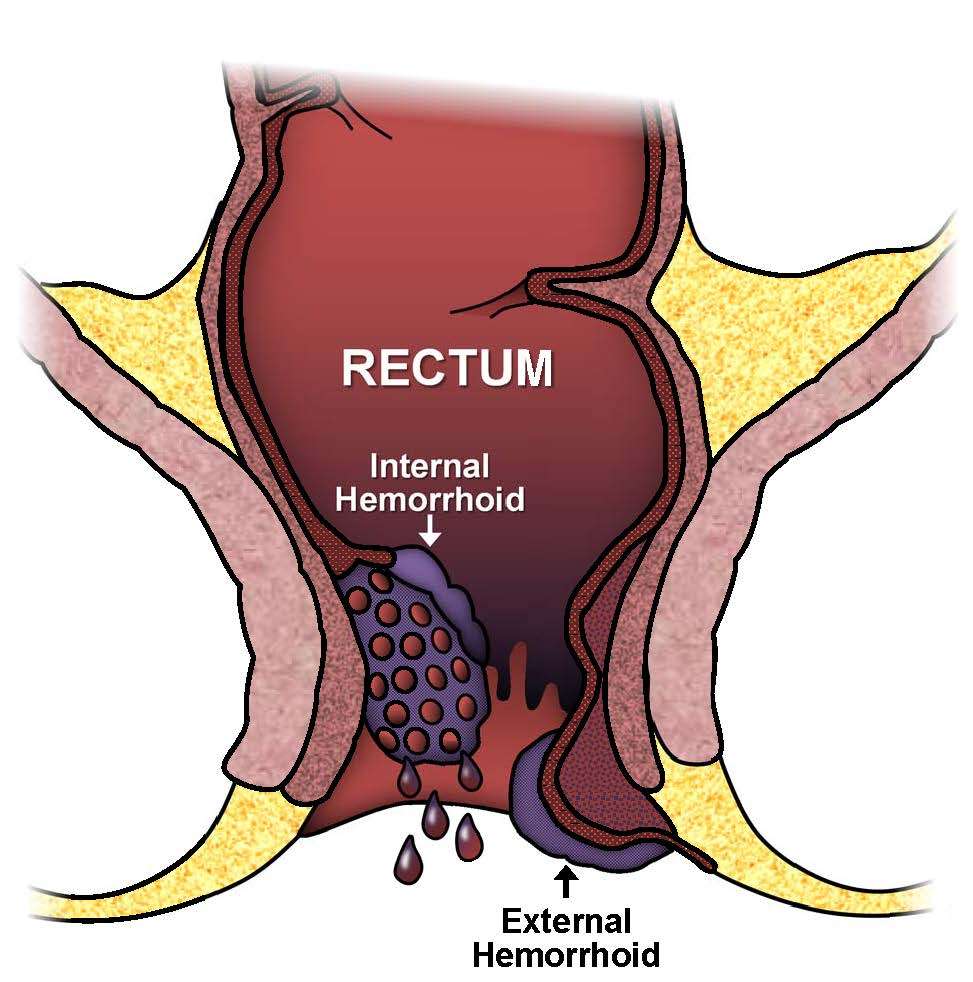
Hemorrhoids
Conservative Measures:
- Dietary Modifications: Increase fiber intake to 25–35 grams per day to soften stools and reduce straining.
- Hydration: Drink ample fluids to prevent constipation.
- Sitz Baths: Soak the anal area in warm water for 10–15 minutes several times daily to alleviate pain and swelling.
- Topical Treatments: Use over-the-counter creams or ointments containing hydrocortisone or witch hazel for symptom relief.
Medical Interventions:
- Rubber Band Ligation: A small rubber band is placed around the base of the hemorrhoid to cut off blood supply, causing it to shrink and fall off.
- Sclerotherapy: Injection of a chemical solution into the hemorrhoid to shrink it.
- Infrared Coagulation: Use of infrared light to cause scarring and shrinkage of the hemorrhoid.
Surgical Options:
- Hemorrhoidectomy: Surgical removal of large or prolapsed hemorrhoids.
- Stapled Hemorrhoidopexy: Stapling technique to remove hemorrhoidal tissue and reposition prolapsed hemorrhoids.
🩺 Anal Fissures Treatment
Conservative Measures:
- Fiber-Rich Diet: Consume 18–30 grams of fiber daily to prevent constipation.
- Hydration: Adequate fluid intake to soften stools.
- Sitz Baths: Warm water soaks to relax the anal sphincter and promote healing.
- Topical Analgesics: Use of lidocaine ointment for pain relief.
Medical Treatments:
- Nitroglycerin Ointment: Applied to the anal area to increase blood flow and reduce sphincter pressure, aiding healing.
- Botox Injections: Botulinum toxin injection to relax the anal sphincter muscle.
- Calcium Channel Blockers: Topical application of nifedipine or diltiazem to relax the anal sphincter.
Surgical Intervention:
- Lateral Internal Sphincterotomy (LIS): Surgical procedure involving a small incision in the anal sphincter to relieve pressure and promote healing.
Both conditions can often be managed with lifestyle modifications and medical treatments. However, persistent or severe cases may require surgical intervention. Consultation with a healthcare provider is recommended for proper diagnosis and treatment planning.
GASTRO-INTESTINAL DISEASE
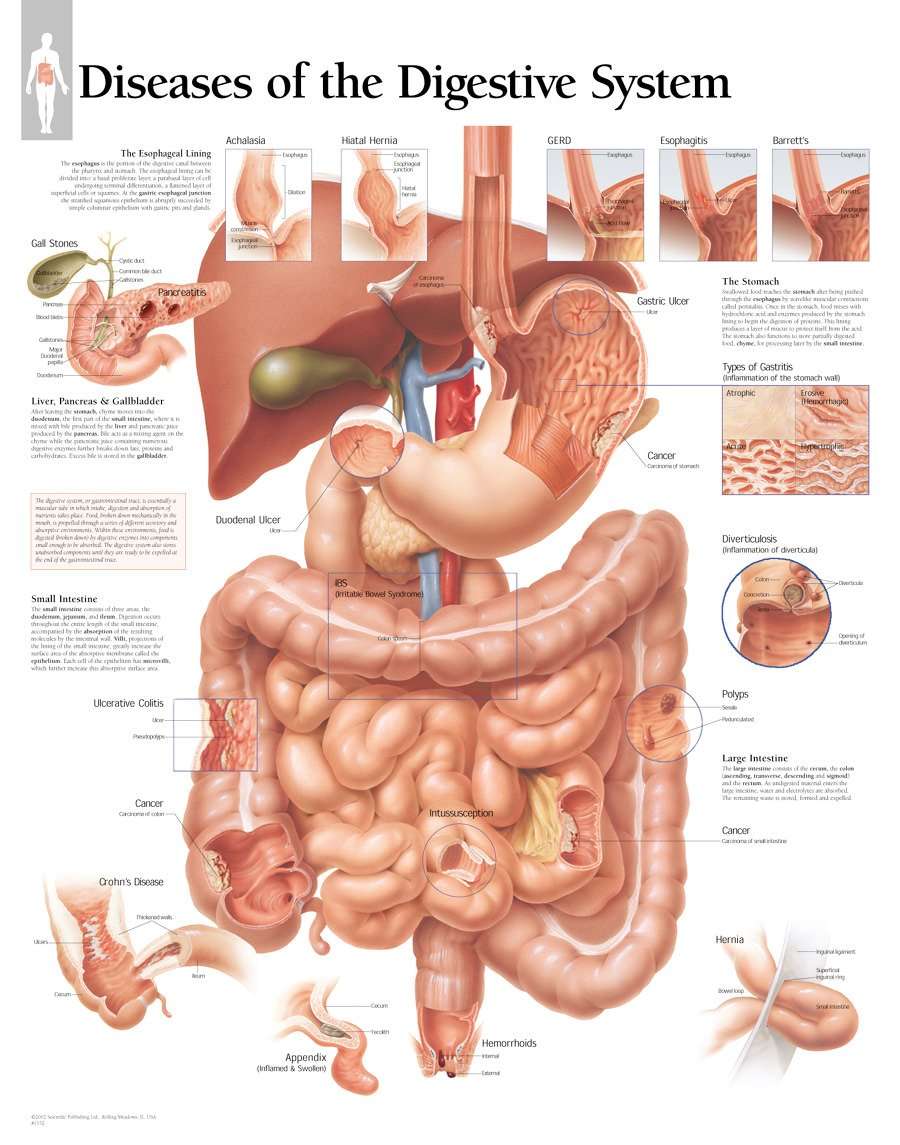
Gastrointestinal (GI) diseases encompass a wide range of conditions affecting the digestive system, including the esophagus, stomach, intestines, liver, and pancreas. These disorders can significantly impact daily life, causing symptoms such as abdominal pain, bloating, diarrhea, constipation, and nausea.
Common Gastrointestinal Disorders
- Gastroesophageal Reflux Disease (GERD): Characterized by chronic acid reflux, GERD leads to heartburn, chest pain, and regurgitation. It results from the backflow of stomach contents into the esophagus due to a weakened lower esophageal sphincter. Management includes lifestyle modifications, medications like proton pump inhibitors, and, in severe cases, surgery.
- Irritable Bowel Syndrome (IBS): A functional GI disorder causing symptoms like abdominal cramps, bloating, and alternating diarrhea and constipation. The exact cause remains unknown, but stress and diet can trigger symptoms. Treatment focuses on dietary changes, stress management, and medications to alleviate symptoms.
- Inflammatory Bowel Disease (IBD): Includes Crohn's disease and ulcerative colitis, conditions characterized by chronic inflammation of the gastrointestinal tract. Symptoms encompass persistent diarrhea, abdominal pain, fatigue, and weight loss. Treatment may involve anti-inflammatory drugs, immune system suppressors, and sometimes surgery.
- Peptic Ulcer Disease: Caused by the erosion of the stomach lining or the upper part of the small intestine, leading to sores or ulcers. Symptoms include stomach pain, bloating, and indigestion. Treatment typically involves antibiotics for H. pylori infection and medications to reduce stomach acid.
- Celiac Disease: An autoimmune disorder where ingestion of gluten damages the small intestine lining, leading to malabsorption of nutrients. Symptoms vary widely and can include diarrhea, weight loss, and fatigue. The primary treatment is a strict, lifelong gluten-free diet.
Diagnosis and Treatment
Diagnosis of GI diseases often involves a combination of medical history review, physical examination, laboratory tests, imaging studies, and endoscopic procedures. Treatment strategies are tailored to the specific condition and may include dietary modifications, medications, and in some cases, surgical interventions.
Conclusion
Gastrointestinal diseases are prevalent and can range from mild to severe. Early diagnosis and appropriate management are crucial for improving quality of life and preventing complications. If you experience persistent digestive symptoms, consult a healthcare professional for evaluation and personalized treatment.
HERNIA
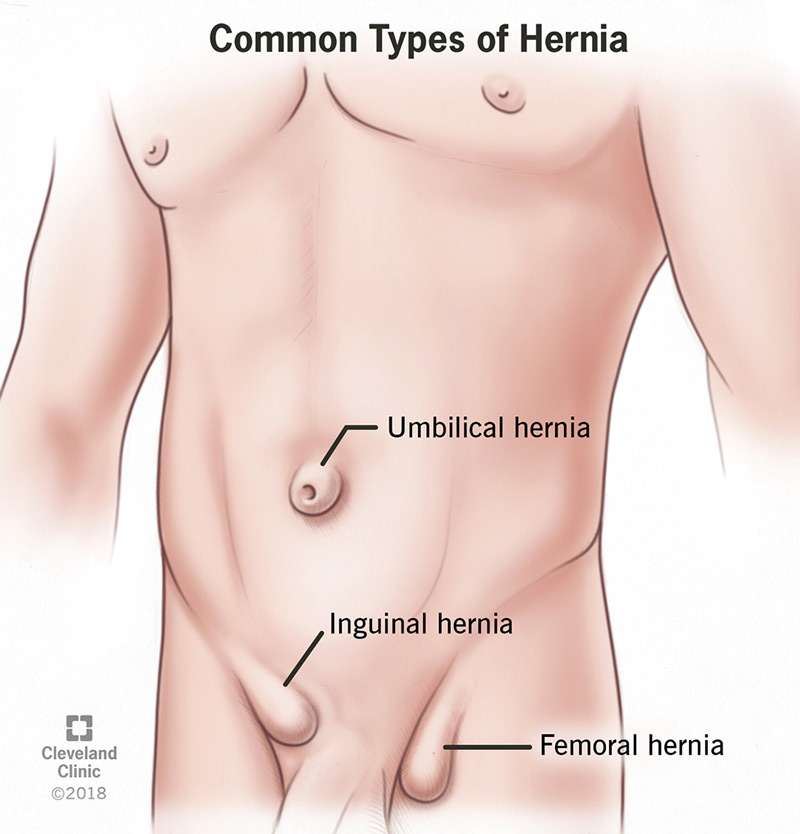
A Hernia occurs when an internal organ or tissue bulges through a weak spot in the abdominal wall, often causing pain or discomfort. While some small, asymptomatic hernias may be managed conservatively, surgical intervention is typically recommended for symptomatic or complicated cases.
Surgical Options
- Open Hernia Repair: This traditional method involves making a single incision at the hernia site to reposition the protruding tissue and reinforce the abdominal wall, usually with a synthetic mesh. It's effective for various hernia types but may require a longer recovery period.
- Laparoscopic (Minimally Invasive) Repair: Utilizing several small incisions, this technique involves inserting a camera and instruments to repair the hernia. It offers benefits like reduced pain, shorter hospital stays, and quicker recovery. Laparoscopic repair is often preferred for bilateral or recurrent hernias.
- Robotic-Assisted Surgery: An advanced form of laparoscopic surgery, robotic-assisted procedures provide enhanced precision and control. The surgeon operates robotic arms while viewing a 3D magnified image, improving outcomes, especially in complex or large hernias.
Conservative Management
For small, asymptomatic hernias, a "watchful waiting" approach may be advised. This involves monitoring the hernia for any changes or worsening symptoms over time. Lifestyle modifications, such as avoiding heavy lifting and maintaining a healthy weight, can help manage symptoms.
Conclusion
The choice of treatment depends on the hernia's type, size, and location and the patient's overall health. Consulting with a healthcare professional is essential to determine the most appropriate treatment plan.
UROLOGY
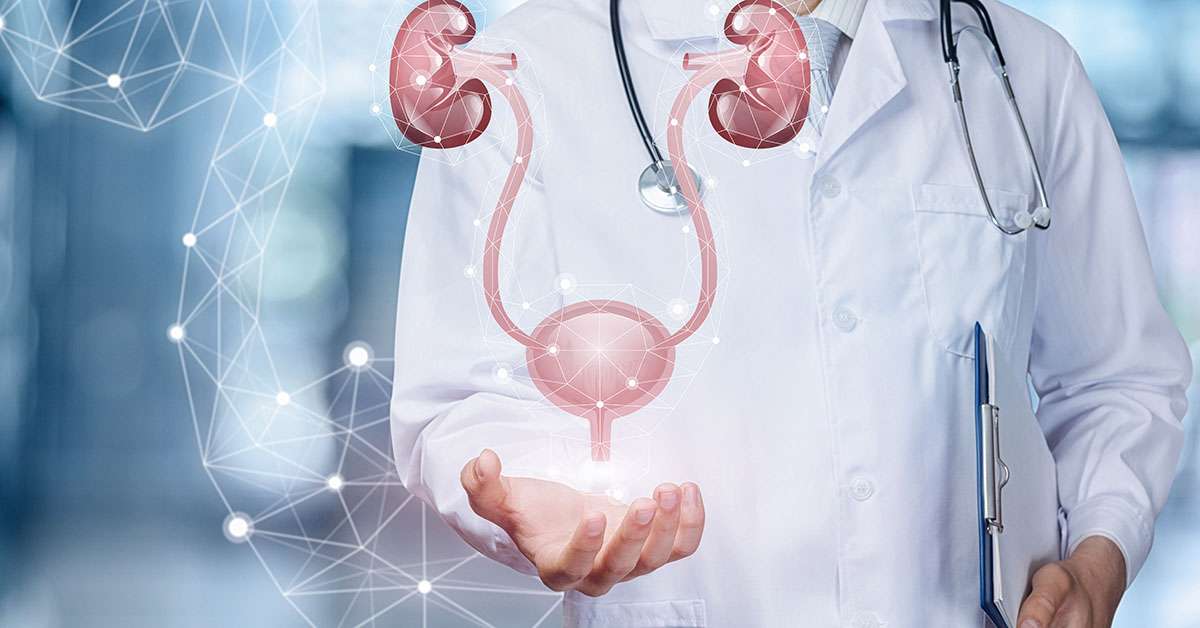
Urology is a medical specialty focusing on the diagnosis and treatment of conditions affecting the urinary tract and male reproductive organs. Urologists manage a wide range of disorders, including urinary tract infections (UTIs), kidney stones, benign prostatic hyperplasia (BPH), prostate cancer, erectile dysfunction, and incontinence.
Common Urological Treatments
- Medications: Alpha-blockers and 5-alpha-reductase inhibitors are commonly prescribed to manage BPH symptoms by relaxing prostate muscles and reducing gland size.
- Minimally Invasive Procedures:
- Transurethral Microwave Thermotherapy (TUMT): Utilizes microwave energy to shrink prostate tissue, alleviating BPH symptoms.
- Prostatic Artery Embolization (PAE): A non-surgical technique that blocks blood flow to the prostate, leading to its shrinkage.
- Surgical Interventions:
- Transurethral Resection of the Prostate (TURP): A standard procedure for BPH involving the removal of prostate tissue through the urethra.
- Prostatectomy: Surgical removal of all or part of the prostate gland, often performed for prostate cancer.
- Neuromodulation Therapy:
- Percutaneous Tibial Nerve Stimulation (PTNS): A minimally invasive procedure that stimulates nerves controlling the bladder, effective for overactive bladder symptoms.
GENERAL SURGERY
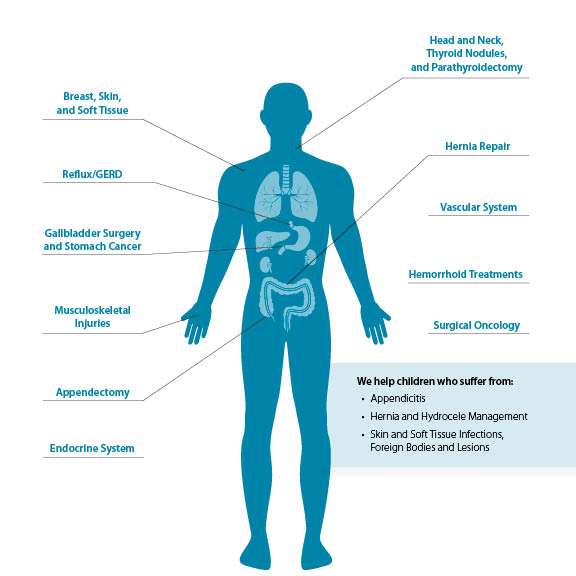
General surgery is a medical specialty that focuses on surgical treatment of conditions affecting the abdomen, digestive tract, skin, soft tissues, and endocrine system. It includes both elective and emergency procedures, often performed using advanced techniques such as laparoscopy (keyhole surgery) and robotic-assisted systems.
Common General Surgical Treatments:
- Appendectomy: Surgical removal of an inflamed appendix, commonly due to appendicitis. This is often an emergency procedure.
- Cholecystectomy: Removal of the gallbladder, typically performed to treat gallstones or gallbladder infection.
- Hernia Repair: Fixes abdominal wall hernias using sutures or surgical mesh, done through open or laparoscopic techniques.
- Bowel Resection: Removal of a diseased part of the intestine, often necessary for cancer, Crohn’s disease, or obstruction.
- Mastectomy: Surgical removal of one or both breasts, usually as a treatment for breast cancer.
- Thyroidectomy: Partial or total removal of the thyroid gland to treat thyroid disorders or cancer.
Modern Techniques:
Minimally invasive surgery, such as laparoscopic and robotic surgery, uses small incisions, reducing recovery time, pain, and hospital stay. These approaches are increasingly preferred due to lower risk of complications.
Postoperative Care:
Recovery varies by procedure but usually includes pain management, wound care, mobility exercises, and follow-up visits. Lifestyle changes and medications may be recommended to support long-term healing.
STONE DISEASES
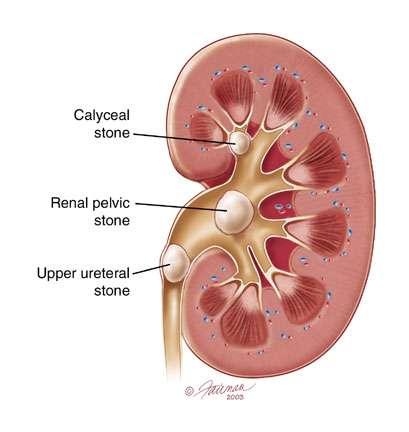
Stone diseases, particularly kidney stones, require treatment based on the type, size, and location of the stone, as well as the severity of symptoms. Small stones often pass naturally through the urinary tract with increased fluid intake. Drinking 2–3 liters of water daily helps dilute the urine, making it easier for small stones to pass. Pain can be managed with over-the-counter medications like ibuprofen or prescribed painkillers.
For larger or symptomatic stones, medical intervention may be necessary. Medications such as alpha-blockers (e.g., tamsulosin) can relax the muscles in the ureter, aiding stone passage. Uric acid stones may dissolve with urine alkalinization using potassium citrate or sodium bicarbonate.
YOGA AND MEDITATION

Yoga and meditation are practices that promote physical, mental, and spiritual well-being. While they are often associated with each other, they are distinct practices with different focuses.
Here's an overview of yoga and meditation:
1. Yoga: Yoga originated in ancient India and encompasses a range of physical, mental, and spiritual practices. It involves a combination of physical postures (asanas), breathing exercises (pranayama), meditation, and ethical principles. The primary goal of yoga is to achieve harmony and balance in the body, mind, and spirit.
Some key aspects of yoga include:
Physical Benefits: Yoga improves flexibility, strength, balance, and posture. It can also help with pain management, increase energy levels, and enhance overall physical fitness.
Mental and Emotional Benefits: Yoga helps reduce stress, anxiety, and depression. It promotes relaxation, mindfulness, and self-awareness, leading to improved mental well-being.
Spiritual Aspect: Yoga has a spiritual dimension, aiming to connect individuals with their inner self and a higher consciousness. It encourages self-reflection, introspection, and personal growth.
Styles and Traditions: There are various styles of yoga, such as Hatha, Vinyasa, Ashtanga, Bikram, and Kundalini, each with its own emphasis and approach. Additionally, different yoga traditions, such as Iyengar, Jivamukti, or Sivananda, may incorporate specific teachings and philosophies.
2. Meditation: Meditation is a practice that involves focusing the mind and inducing a state of deep relaxation and mental clarity. It can be done in various forms, including seated meditation, guided meditation, mindfulness meditation, and transcendental meditation. The main goal of meditation is to cultivate awareness, mindfulness, and a sense of inner calm.
Some key aspects of meditation include:
Mental Clarity: Regular meditation practice helps calm the mind, reduce racing thoughts, and improve concentration and focus.
Stress Reduction: Meditation is known to alleviate stress, anxiety, and emotional strain. It promotes a state of relaxation and enhances overall mental well-being.
Mindfulness: Many forms of meditation emphasize mindfulness, which involves paying attention to the present moment without judgment. This practice cultivates awareness and helps individuals develop a more positive and compassionate mindset.
Health Benefits: Meditation has been linked to various health benefits, including lowered blood pressure, improved immune function, better sleep, and reduced symptoms of certain conditions like chronic pain and depression.
Both yoga and meditation can be practiced individually or combined. Many yoga classes incorporate elements of meditation, such as breath awareness and mindfulness, during the practice. It's important to note that both yoga and meditation are personal journeys, and the benefits are often experienced gradually over time with consistent practice.
MASSAGE THERAPY
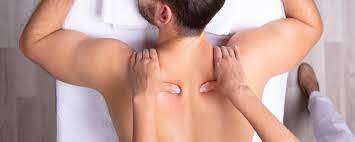
Massage therapy is a hands-on manipulation of soft tissues in the body to enhance a person's health and well-being. It has been practiced for thousands of years and is known for its healing and relaxation benefits.
Here are some key points about massage therapy:
1. Techniques and Modalities: Massage therapists use various techniques and modalities to address different conditions and client preferences. Some common techniques include Swedish massage, deep tissue massage, sports massage, and aromatherapy massage. Other modalities include hot stone massage, Thai massage, reflexology, and prenatal massage, among others.
2. Benefits: Massage therapy offers a range of physical and mental benefits. It can help relax muscles, reduce muscle tension, improve circulation, promote lymphatic drainage, alleviate pain and stiffness, enhance joint mobility, and boost the immune system. It is also known to reduce stress, anxiety, and depression, promote better sleep, and improve overall mental well-being.
3. Professional Practitioners: Massage therapy is typically performed by licensed and trained massage therapists. They undergo specific education and training to understand human anatomy, physiology, and the application of various massage techniques. It's essential to seek services from a qualified practitioner to ensure safety and effectiveness.
4. Settings: Massage therapy can be provided in various settings, including spas, wellness centers, clinics, hospitals, and even in-home sessions. The ambiance is often designed to create a soothing and relaxing environment, with soft lighting, calming music, and comfortable massage tables.
5. Individualized Approach: A skilled massage therapist will assess a client's specific needs, considering their medical history, current health condition, and personal preferences. This individualized approach helps tailor the massage session to address specific concerns and achieve optimal results.
6. Precautions and Contraindications: While massage therapy is generally safe and beneficial, there are some precautions and contraindications to consider. People with certain medical conditions such as fractures, open wounds, severe osteoporosis, deep vein thrombosis, contagious skin conditions, or those who are pregnant should consult with their healthcare provider before getting a massage. It's crucial to communicate openly with the therapist about any health concerns or discomfort during the session.
7. Regulations: Massage therapy is regulated differently in various countries and regions. In many places, practitioners are required to meet specific licensing or certification standards to ensure competency and professionalism. It's advisable to check the local regulations and seek services from licensed professionals.
Remember, massage therapy should not replace medical treatment for specific conditions but can be a valuable complement to a holistic approach to health and well-being. If you are interested in getting a massage, it's best to consult with a qualified massage therapist to determine the most suitable treatment for your needs.
PANCHAKARMA
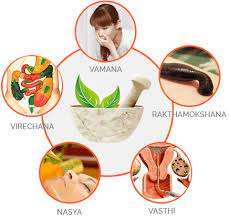
Panchakarma is an Ayurvedic therapy that focuses on detoxifying and rejuvenating the body. It is a comprehensive system of purification techniques used in Ayurveda, a traditional Indian system of medicine. The term "Panchakarma" translates to "five actions" in Sanskrit, referring to the five main procedures involved in the therapy. These procedures aim to remove accumulated toxins, or "ama," from the body, restore balance to the doshas (vital energies), and promote overall well-being.
The five actions of Panchakarma are:
1. Vamana (Therapeutic Emesis): This procedure involves controlled vomiting induced through the administration of herbal medicines. It is used to eliminate excess Kapha dosha from the body, particularly from the respiratory and digestive systems.
2. Virechana (Purgation Therapy): Virechana is the process of cleansing the body by inducing controlled bowel movements. It helps remove excess Pitta dosha from the body, particularly from the liver and gallbladder.
3. Basti (Enema Therapy): Basti involves the administration of herbal decoctions and oils through the rectum. It is used to eliminate Vata dosha from the body and helps nourish and lubricate the colon, promoting detoxification and rejuvenation.
4. Nasya (Nasal Administration): Nasya involves the application of herbal oils, powders, or medicated liquids into the nostrils. It helps cleanse and rejuvenate the nasal passages, sinuses, and head, and is particularly beneficial for balancing Kapha and Vata doshas in the upper body.
5. Rakta Mokshana (Bloodletting): Rakta Mokshana is the process of removing impure blood from the body. It is performed in specific conditions and aims to cleanse the blood and treat diseases related to blood impurities.
Panchakarma is typically carried out in a specialized Ayurvedic clinic or hospital under the guidance of trained practitioners. The therapy is personalized based on an individual's dosha imbalance and specific health needs. Before undergoing Panchakarma, a preparatory phase called "Purvakarma" is often implemented, which includes oleation (external and internal oil application) and sudation (steam therapy) to prepare the body for detoxification.
Panchakarma is not only used as a therapeutic measure but is also employed as a preventive healthcare practice to maintain overall health and prevent diseases. It is important to consult with a qualified Ayurvedic practitioner to determine if Panchakarma is suitable for an individual's specific health conditions and to receive proper guidance throughout the process.
HOMEOPATHY

Homeopathy is a complementary or alternative medicine (CAM). This means that homeopathy is different in important ways from treatments that are part of conventional Western medicine. It's based on a series of ideas developed in the 1790s by a German doctor called Samuel Hahnemann.
GENERAL PHYSICIAN
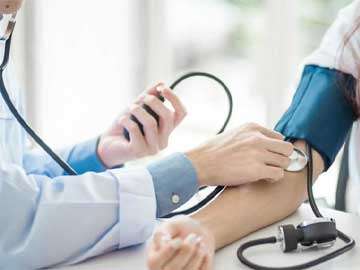
General Physicians are highly trained specialists who provide a range of non-surgical health care to adult patients. They care for difficult, serious or unusual medical problems and continue to see the patient until these problems have resolved or stabilised.
LAB TESTS AND SCREENINGS
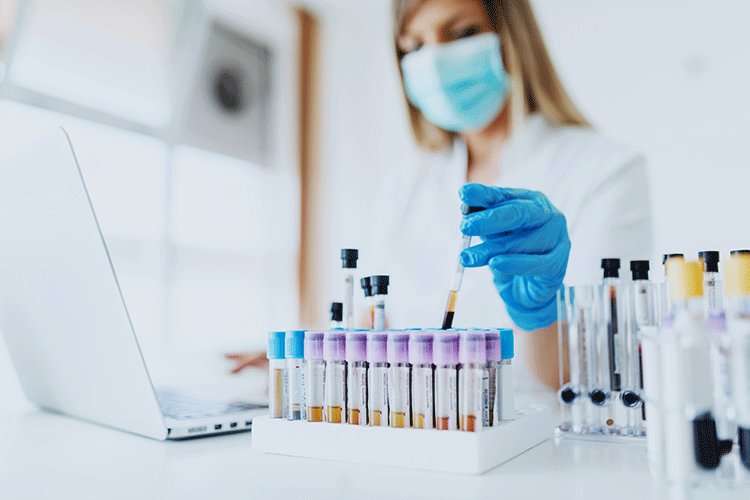
A medical procedure that involves testing a sample of blood, urine, or other substance from the body. Laboratory tests can help determine a diagnosis, plan treatment, check to see if treatment is working, or monitor the disease over time.
RENAL CALCULLI
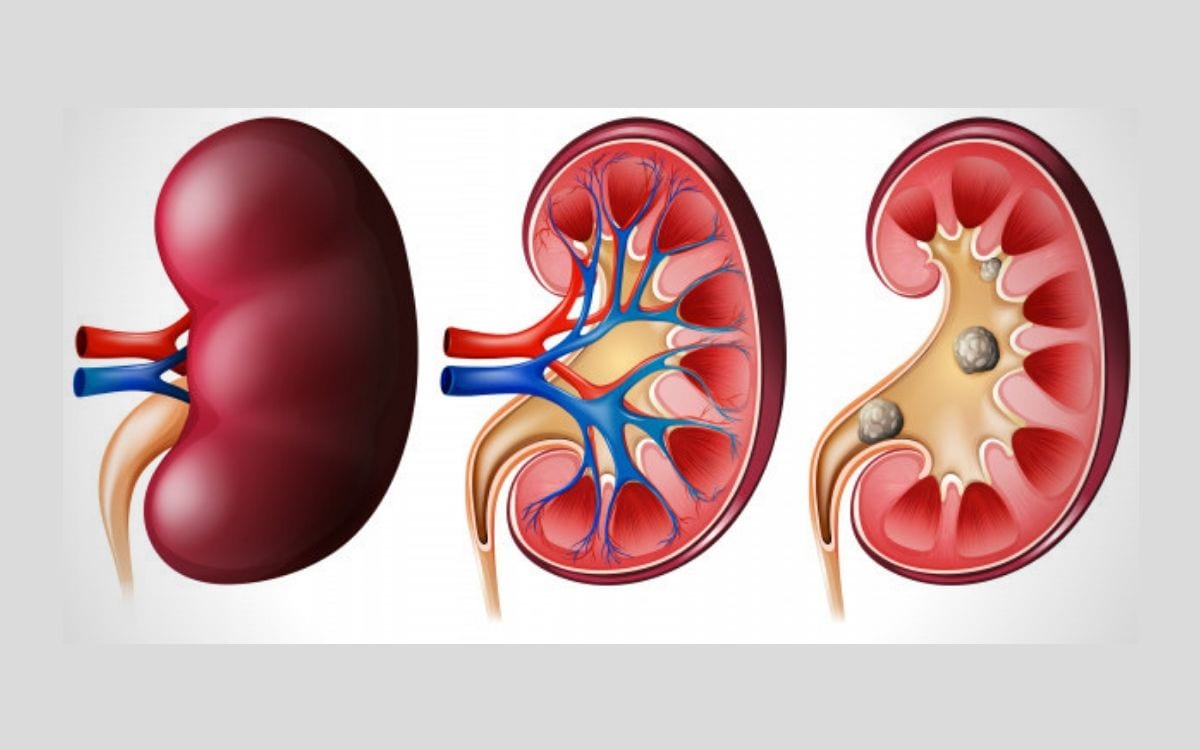
- Pink, red or brown urine.
- Cloudy or foul-smelling urine.
- A persistent need to urinate, urinating more often than usual or urinating in small amounts.
- Nausea and vomiting.
- Fever and chills if an infection is present.
FISTULA IN ANO
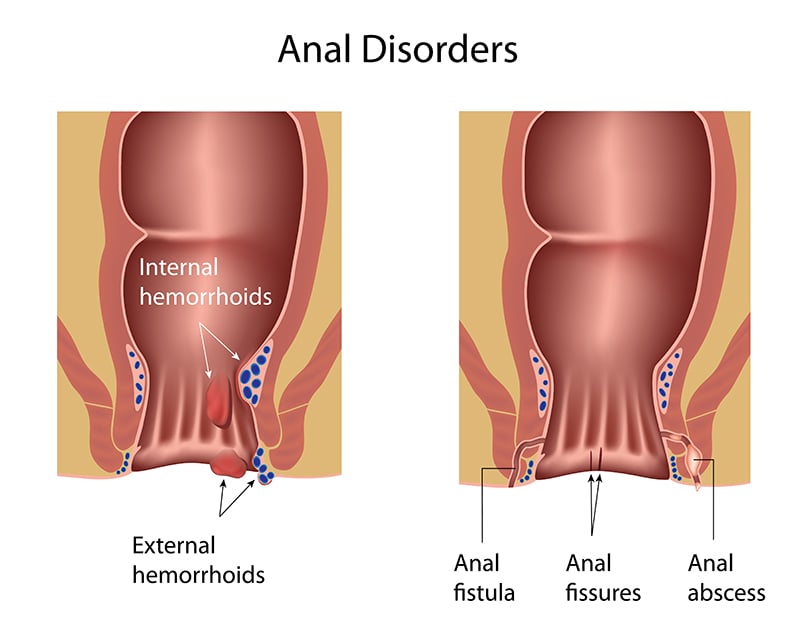
- skin irritation around the anus.
- a constant, throbbing pain that may be worse when you sit down, move around, poo or cough.
- smelly discharge from near your anus.
- passing pus or blood when you poo.
- swelling and redness around your anus and a high temperature if you also have an abscess.
PERIANAL SINUS
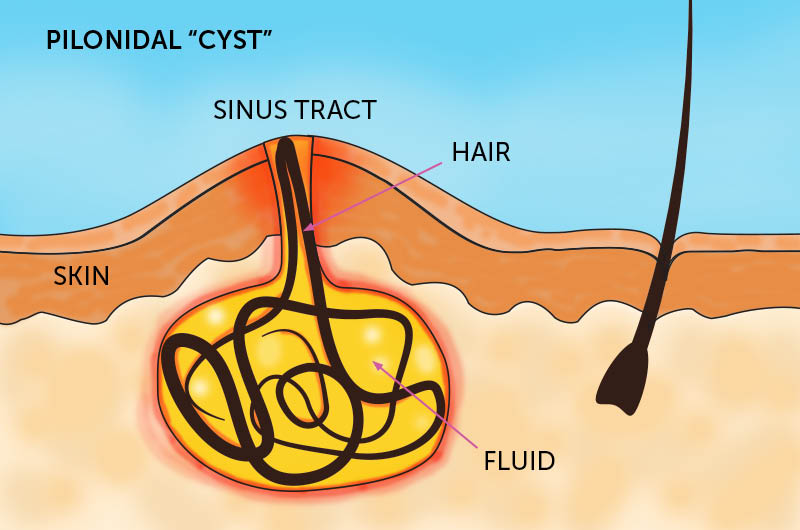
The signs of an infection include:
- pain when sitting or standing
- swelling of the cyst
- reddened, sore skin around the area
- pus or blood draining from the abscess, causing a foul odor
- hair protruding from the lesion
- formation of more than one sinus tract, or holes in the skin
PERIANAL WORTS
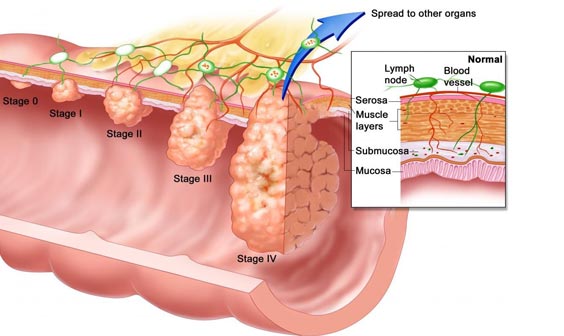
- Soft lumps in or around your anus.
- Light brown, yellow, pink or flesh-colored lumps that may cluster together.
- Bleeding.
- Itching.
- Leaking discharge from your anus (caused by internal anal warts).
RECTAL PROLAPSE
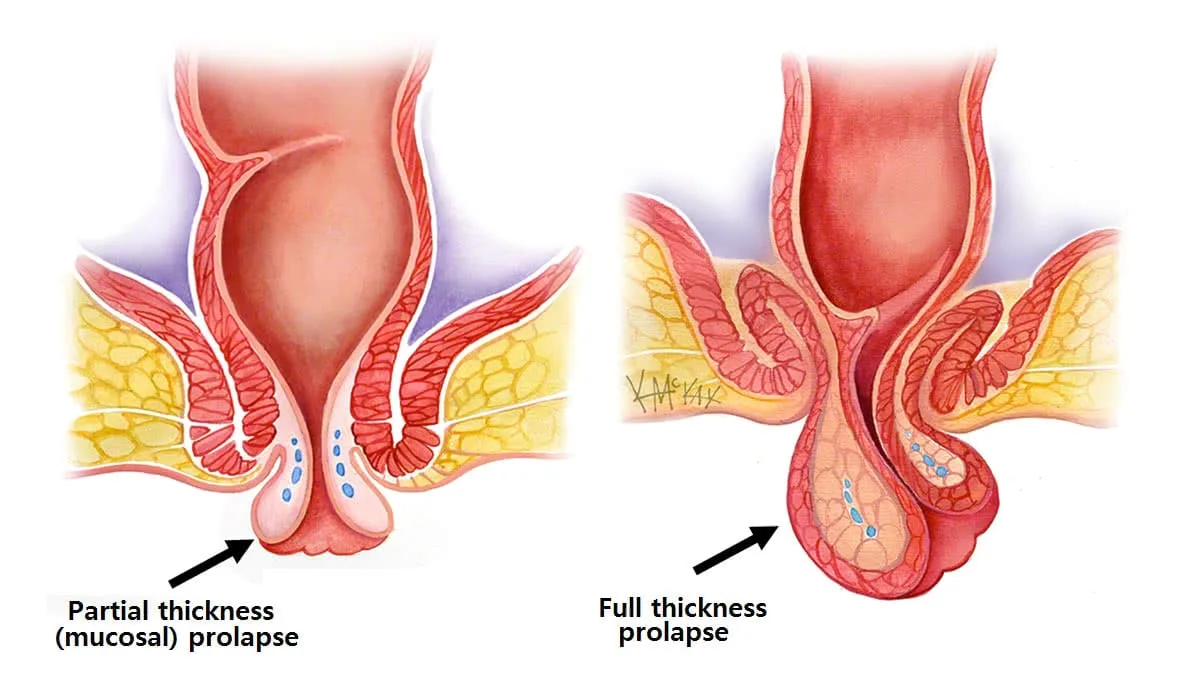
If you have rectal prolapse, you may notice a reddish lump that comes out of the anus, often while straining during a bowel movement. The lump may slip back inside the anus, or it may continue to be seen.
Other symptoms may include:
- You cannot control your bowel movements, known as fecal incontinence.
- Constipation or loose stools.
- Leaking blood or mucus from the rectum.
- Feeling that your rectum isn't empty after a bowel movement.
RECTAL POLYPS

- Change in bowel habits. Constipation or diarrhea that lasts longer than a week may mean the presence of a larger colon polyp or cancer. ...
- Change in stool color. Blood can show up as red streaks in your stool or make stool appear black. ...
- Iron deficiency anemia. ...
- Pain. ...
- Rectal bleeding.
LEPTOSPIROSIS
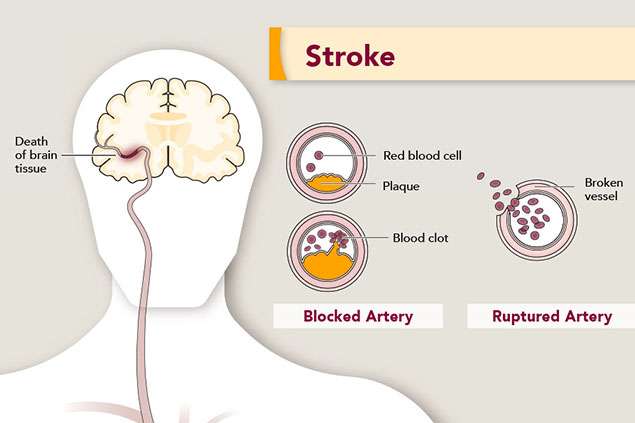
STROKE
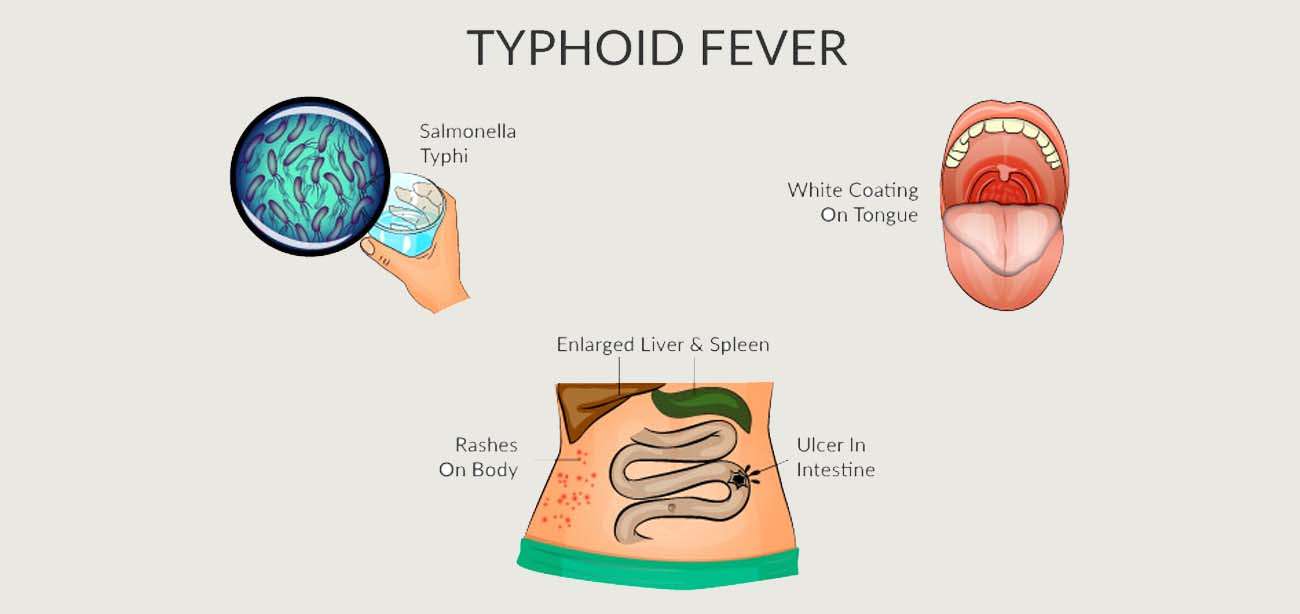
TYPHOID
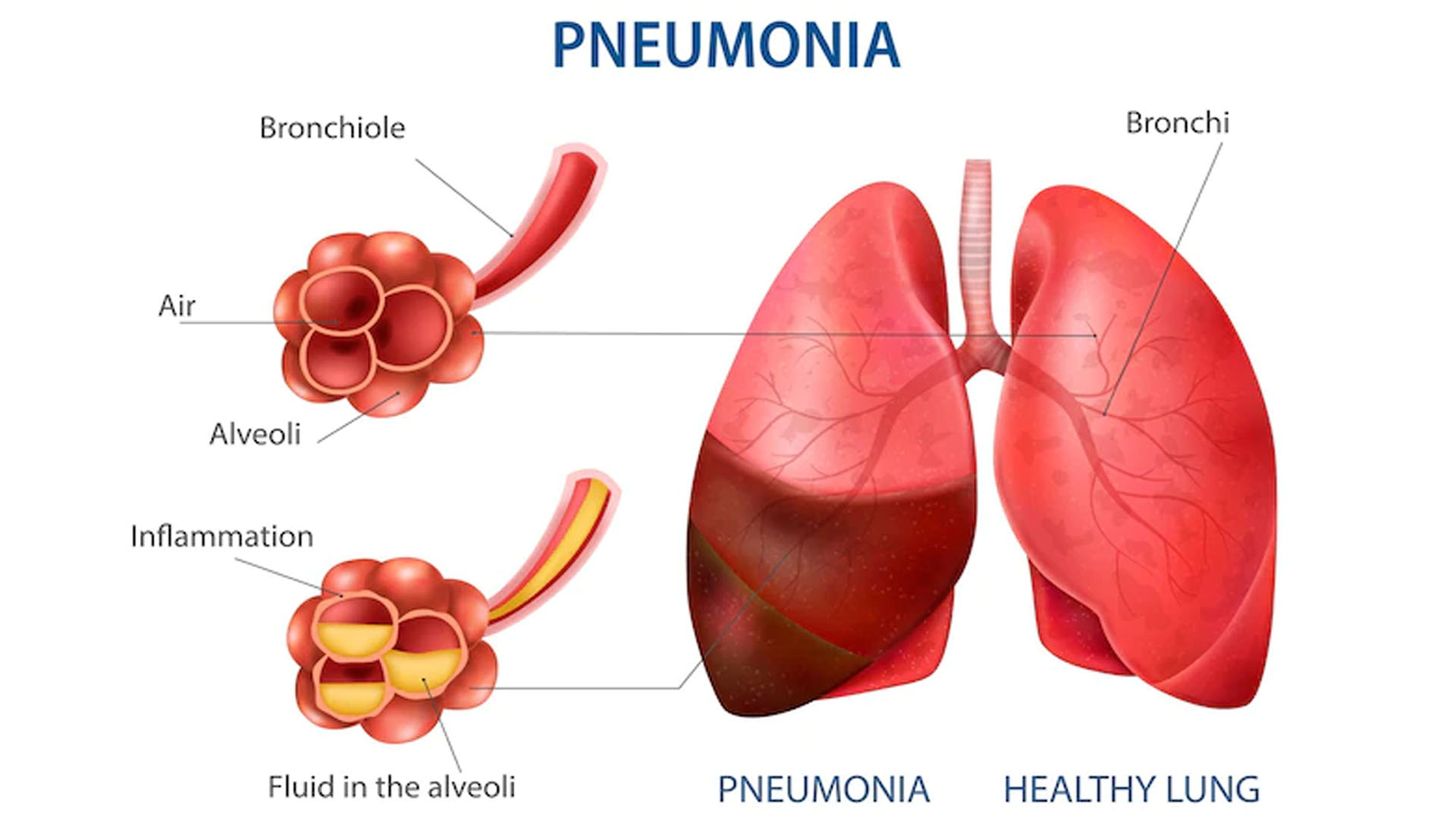
PNEUMONIA
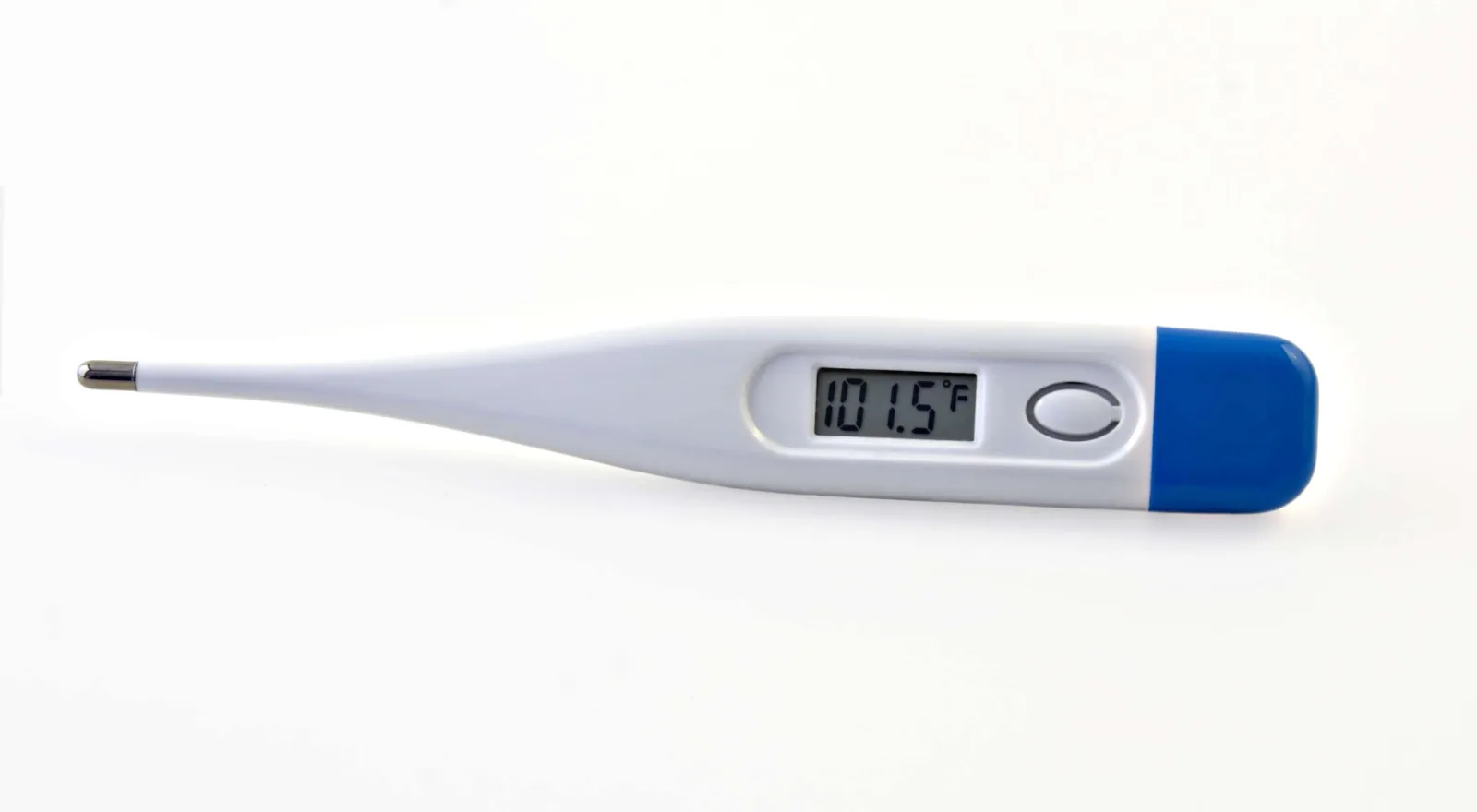
FEVER
SKIN DISEASES

Skin diseases encompass a wide range of conditions that affect the skin, resulting in various symptoms and appearances. Some common skin diseases include:
- Acne: A common skin condition characterized by the formation of pimples, blackheads, and whiteheads on the face, chest, and back.
- Eczema: A chronic inflammatory condition that causes dry, itchy, and red patches on the skin.
- Psoriasis: A chronic autoimmune disease that causes red, scaly patches on the skin, often accompanied by itching or pain.
- Dermatitis: Inflammation of the skin that can be caused by various factors such as irritants, allergens, or genetic predisposition.
- Rosacea: A chronic skin condition characterized by facial redness, flushing, and sometimes pimples or visible blood vessels.
- Hives (Urticaria): Raised, itchy bumps on the skin that are often caused by an allergic reaction or exposure to certain triggers.
- Athlete's Foot: A fungal infection that affects the feet, causing itching, redness, and peeling of the skin.
- Ringworm: A fungal infection that forms a ring-shaped rash on the skin, often itchy and scaly.
- Impetigo: A highly contagious bacterial infection characterized by red sores that break open, ooze, and form a yellowish crust.
- Shingles: A viral infection caused by the reactivation of the varicella-zoster virus, resulting in a painful rash with fluid-filled blisters.
It's important to consult a dermatologist or healthcare professional for an accurate diagnosis and appropriate treatment for any skin condition.
CHILDHOOD DISEASES

Childhood diseases refer to a wide range of illnesses that primarily affect children. Some common childhood diseases include:
- Chickenpox (Varicella): A highly contagious viral infection causing an itchy rash and fever.
- Measles: A viral infection characterized by fever, cough, runny nose, and a rash.
- Mumps: A viral infection causing swelling and pain in the salivary glands, leading to swollen cheeks and jaw.
- Rubella (German Measles): A viral infection causing a rash and fever, particularly dangerous for pregnant women.
- Whooping cough (Pertussis): A bacterial infection causing severe coughing spells, especially dangerous for infants.
- Hand, Foot, and Mouth Disease: A viral infection characterized by sores in the mouth, on the hands, and on the feet.
- Rotavirus: A highly contagious virus causing severe diarrhea, vomiting, and dehydration in infants and young children.
- Fifth Disease (Erythema infectiosum): A viral infection causing a distinctive rash on the face, cheeks, and body.
- Croup: A viral infection causing a barking cough and difficulty breathing.
- Roseola: A viral infection characterized by high fever followed by a rash.
It's important to note that diagnosing and treating specific diseases should be done by medical professionals. If you have concerns about a child's health, it's best to consult a healthcare provider.
WOMAN DISEASES

"Woman Disease" is a broad term that does not refer to a specific medical condition. Women can be affected by a variety of diseases and health conditions, some of which are unique to or more common in females. It's essential to address specific diseases or conditions to provide accurate information.
Here are some common health conditions that can affect women:
- Breast Cancer: A malignant tumor that develops in breast tissue, predominantly affecting women.
- Ovarian Cancer: Cancer that begins in the ovaries, the female reproductive organs responsible for producing eggs.
- Endometriosis: A condition where tissue similar to the lining of the uterus grows outside the uterus, causing pain and fertility problems.
- Polycystic Ovary Syndrome (PCOS): A hormonal disorder characterized by enlarged ovaries with cysts and hormonal imbalances, leading to irregular periods and other symptoms.
- Cervical Cancer: Cancer that develops in the cervix, the lower part of the uterus.
- Premenstrual Syndrome (PMS): A combination of physical and emotional symptoms that occur in the days leading up to menstruation.
- Urinary Tract Infections (UTIs): Infections in the urinary system, including the bladder and urethra, which can be more common in women.
- Osteoporosis: A condition characterized by a decrease in bone density, making bones more fragile and prone to fractures, which is more common in women, especially after menopause.
- Menopause: The natural process that occurs in women's lives, typically in their 40s or 50s when menstrual periods cease and hormone levels change.
- Pelvic Inflammatory Disease (PID): An infection of the female reproductive organs, usually caused by sexually transmitted bacteria.
It's important to note that these are just a few examples, and there are many more health conditions that can affect women. If you have concerns about your health, it's recommended to consult a healthcare professional for a proper diagnosis and treatment.
HOMEOPATHY
CARDIOLOGY

PSYCHIATRY
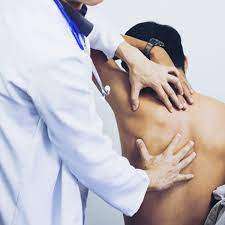
RHEUMATOLOGY
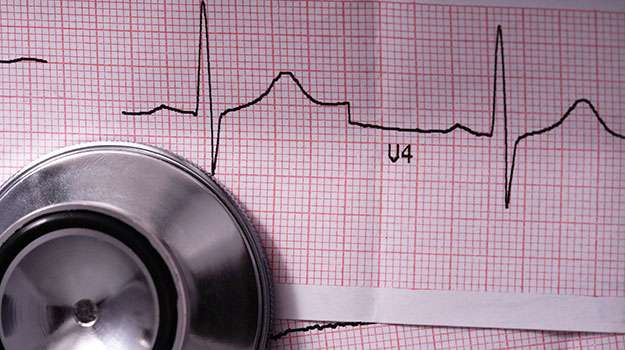
VASCULAR
VACCINATION AND CHECK-UP

INFECTIOUS DISEASES

GASTRIC DISORDERS

PAIN MANAGEMENT
MIGRAINE
RESPIRATORY PROBLEMS
HEART PROBLEMS
HEART PROBLEMS
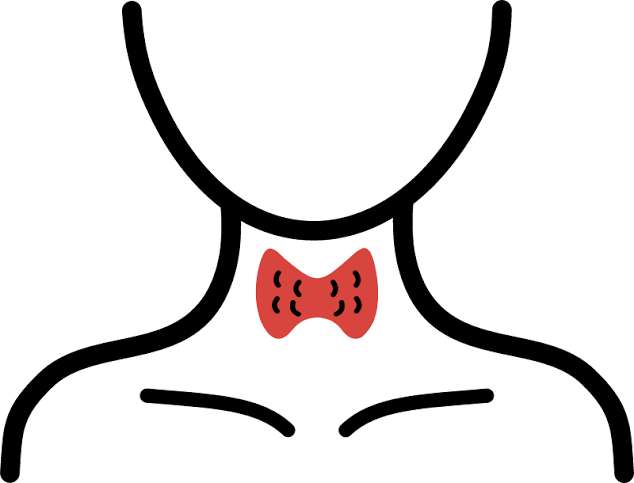
THYROID DISEASE
DIABETES MANAGEMENT

SORE THROAT