
DrHanuman Ram Kh
About Me
DrHanuman Ram Kh
MD
Dermatologist
Biography
My Clinic
OPD Hours
| Monday | Morning | 10:00 AM | - | 02:00 PM |
| Evening | 06:00 PM | - | 09:00 PM | |
| Tuesday | Morning | 10:00 AM | - | 02:00 PM |
| Evening | 06:00 PM | - | 09:00 PM | |
| Wednesday | Morning | 10:00 AM | - | 02:00 PM |
| Evening | 06:00 PM | - | 09:00 PM | |
| Thursday | Morning | 10:00 AM | - | 02:00 PM |
| Evening | 06:00 PM | - | 09:00 PM | |
| Friday | Morning | 10:00 AM | - | 02:00 PM |
| Evening | 06:00 PM | - | 09:00 PM | |
| Saturday | Morning | 10:00 AM | - | 02:00 PM |
| Evening | 06:00 PM | - | 09:00 PM | |
| Sunday | Morning | 10:00 AM | - | 02:00 PM |
| Evening | 06:00 PM | - | 09:00 PM |
Treatments
Specialised care and treatments offered
ROSACEA
This chronic inflammatory condition primarily affects facial skin characterized by reddening usually across the cheeks nose forehead & chin area. Chronic flushing occurs frequently leading many suffers towards seeking help soon after onset becomes apparent!
- Key features include flare-ups resulting in visible blood vessels presenting visibly sporadically before settling down again—an episodic pattern across discolored zones feels almost normal at times between episodes occurring constantly otherwise!
- Diagnosed based solely upon detailed clinical assessment performed during consultations involving personal histories shared openly revealing any potential family connections to earlier occurrences too among others!
- A combination approach incorporating prescription medications topical solutions laser therapies if severe provides comprehensive actionable pathways toward meaningful relief experienced ultimately overtime focused upon individualized patient concerns respectively disclosed throughout diagnosis checks first conducted thoroughly ensuring no misalignment exists initially onward through consultations thereafter served timely accordingly!
- Stress reduction practices adjust environment concerning exposure sunlight harmful factors seen boosting appearance brings substantial results enjoyed already livable spaces again connecting people positively until further noticing changes idealized lastly before going forward ensuring unity remains steadily ahead!!
Appropriate behavioral modifications provide renewed hope alongside existing supportive interactions feeling togetherness continuously steadies amidst challenges faced moving past unfavorable conditions currently being managed effectively day-by-day seeking best outcomes proven progressively enhanced throughout trials endured collectively shared altogether onward exceeding limitations found out early along preventing additional worsening effects invariably triggered afterward beyond recognized borders previously crossed successfully achieving fulfilling states desired lived experiences proven achievable finally finding happiness living presently fulfilled ultimately enjoyed deeply!
HYPERPIGMENTATION
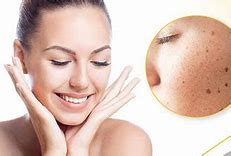
Hyperpigmentation occurs when certain areas of the skin become darker than surrounding tissues due to excess melanin production. This can result from various causes including sun exposure or hormonal changes such as pregnancy-related melasma.
- The visible manifestations include dark spots or patches often becoming more noticeable upon sun exposure or over time without treatment intervention.
- Your dermatologist uses clinical evaluation alongside broad-spectrum imaging techniques, where necessary, to arrive at an accurate diagnosis regarding hyperpigmentation types present within different skin tones.
- Management involves topical agents like hydroquinone combined with sunscreens tailored specifically against UV damage which exacerbates pigmentation issues overall.
- Incorporating regular exfoliation into skincare routines enhances effectiveness while nourishing underlying layers too vital for healing processes overtime!
Consistent application yields positive results providing brighter even-toned surfaces free from irregularities brought about by excess pigmentation—a significant confidence booster!
SEBORRHEIC DERMATITIS
This chronic inflammatory skin condition often appears on oily areas such as the scalp or face. It is commonly known as dandruff when affecting the scalp but has broader implications when found elsewhere on the body.
- The primary signs include dandruff flakes, redness, and possibly itching around affected regions like behind the ears or eyebrows.
- A definitive diagnosis is achieved through clinical evaluation by observing characteristic symptoms during an examination by a dermatologist.
- Treatment focuses on using special medicated shampoos containing ingredients like zinc pyrithione or ketoconazole alongside gentle skin cleansing routines that minimize irritation.
- Avoiding excessively hot water while washing may also help limit flare-ups in seborrheic dermatitis cases.
- An ongoing management plan supports individuals greatly in controlling this manageable yet persistent condition over time; follow-up visits may be necessary for adjustments based on treatment response.
Caring for these areas regularly helps maintain comfortable skin conditions free from excessive oiliness or irritation associated with seborrheic dermatitis events!
PSORIASIS
This autoimmune disorder leads to rapid skin cell production resulting in thick red patches covered with silvery scales. Psoriasis can vary in severity from small localized patches to complete body coverage.
- The main symptoms comprise red lesions, scaling, and itching which may cause discomfort and embarrassment.
- A diagnosis typically involves a detailed assessment by your dermatologist along with potential biopsies if needed.
- Treatment approaches consist of topical treatments like corticosteroids and phototherapy aimed at reducing flare-ups and managing symptoms effectively.
- Lifestyle changes such as stress management techniques are beneficial for those suffering from psoriasis flare-ups triggered by emotional stressors.
- Persistent care enables many patients to manage their symptoms effectively over time and minimizes impacts on daily life.
Your healthcare provider will work closely with you to tailor a treatment plan suitable for your specific case considering both medical therapies and lifestyle adjustments for optimal results.
ECZEMA (ATOPIC DERMATITIS)
Eczema, or atopic dermatitis, is characterized by dry, itchy patches of skin that can become inflamed. This chronic condition can significantly affect quality of life due to its persistent nature.
- The key symptoms are intense itching, redness, and dryness in affected areas.
- A thorough medical history and physical exam help establish a diagnosis of eczema.
- Treatments include moisturizers, corticosteroids for inflammation control, and lifestyle adjustments to avoid triggers.
- Avoiding certain fabrics and soaps may alleviate flare-ups.
- With proper management strategies in place, most individuals experience periods of remission where their symptoms diminish significantly.
Understanding this condition's triggers aids in creating effective long-term management plans tailored to individual needs.
ACNE VULGARIS
Acne vulgaris is a common skin condition that primarily affects adolescents and young adults, though it can occur at any age. It manifests as pimples, blackheads, and cysts on the skin’s surface.
- Symptoms include pustules, inflammation, and the presence of oily skin.
- This condition is usually diagnosed through physical examination, with your dermatologist evaluating the severity of outbreaks.
- Treatment options range from topical retinoids to antibiotics, enabling control of bacteria and oil production.
- Lifestyle modifications such as maintaining a balanced diet can significantly improve symptoms.
- Patients can expect gradual improvement with consistent treatment adherence; results often vary based on individual responses.
If left untreated, acne can lead to scarring or psychological distress; thus, early intervention is crucial for effective management.