
DrHari Ram Mahar
About Me
DrHari Ram Mahar
Cardiologist
Biography
My Clinic
OPD Hours
| Monday | Morning | 10:00 AM | - | 02:00 PM |
| Evening | 06:00 PM | - | 09:00 PM | |
| Tuesday | Morning | 10:00 AM | - | 02:00 PM |
| Evening | 06:00 PM | - | 09:00 PM | |
| Wednesday | Morning | 10:00 AM | - | 02:00 PM |
| Evening | 06:00 PM | - | 09:00 PM | |
| Thursday | Morning | 10:00 AM | - | 02:00 PM |
| Evening | 06:00 PM | - | 09:00 PM | |
| Friday | Morning | 10:00 AM | - | 02:00 PM |
| Evening | 06:00 PM | - | 09:00 PM | |
| Saturday | Morning | 10:00 AM | - | 02:00 PM |
| Evening | 06:00 PM | - | 09:00 PM | |
| Sunday | Morning | 10:00 AM | - | 02:00 PM |
| Evening | 06:00 PM | - | 09:00 PM |
Treatments
Specialised care and treatments offered
LIFESTYLE MODIFICATION FOR CARDIAC HEALTH

Making positive lifestyle modifications plays a significant role in enhancing cardiac health. Small changes can collectively yield substantial benefits over time for cardiovascular wellness.
- Impactful changes include: Engaging regularly in physical activities such as walking briskly at least 150 minutes weekly helps maintain optimal weight while promoting heart efficiency.
- Nutritious diets: Incorporating plenty of fruits & vegetables along with whole grains creates well-rounded meals that aid in lowering blood pressure & cholesterol.'
- Stress management techniques: Practicing mindfulness activities including yoga or meditation assist individuals cope effectively through demanding times thus sustaining overall emotional wellbeing.'& lt / li >& lt ; / ul & gt ;
& lt ; b & gt; Reassured outcomes& lt ; / b & gt; : Commitment towards these life-changing actions enables individuals safeguard their hearts against future adversities while fostering improved happiness overall!'
& gt ;
CONGESTIVE HEART FAILURE MANAGEMENT
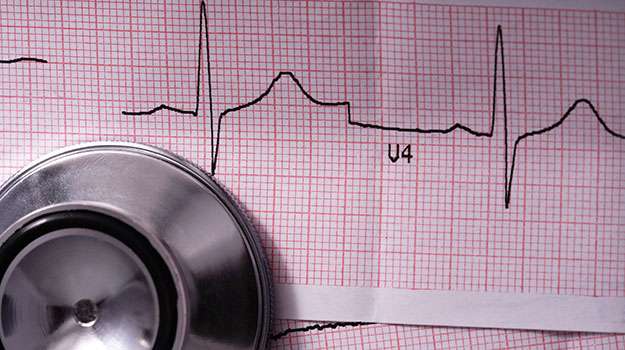
Congestive heart failure (CHF) occurs when the heart struggles to pump blood effectively. Recognizing this condition early on allows for appropriate intervention that can enhance patient outcomes significantly.
- 'Common causes include;' coronary artery disease or hypertension which ultimately weaken the heart muscle over time.'
- Symptoms : Signs such as breathlessness during activities or while lying flat along with swelling in legs indicate possible fluid retention linked with CHF.'
- Diagnosis methods: Healthcare providers typically use echocardiograms along with clinical assessments to evaluate cardiac function accurately.'
- Management strategies: Strategies emphasize dietary sodium reduction alongside fluid restrictions; optimizing medication regimens is also important.'
' Effectively managing CHF requires an interdisciplinary approach focused on symptom relief while enhancing quality-of-life aspects.'
ARRHYTHMIA MANAGEMENT
An arrhythmia refers to an irregular heartbeat which can present various symptoms depending on its nature. Timely identification and management are critical for maintaining cardiovascular stability.
- Symptoms include: Palpitations, dizziness, fatigue, or even fainting spells during episodes of rapid or erratic heartbeat rhythms.
- Differential diagnosis: A thorough evaluation often includes ECGs or Holter monitoring to assess heart rhythm patterns over time.
- Treatment approaches: Options range from lifestyle adaptations like reducing caffeine intake to medications that help regulate heartbeat. In some cases, more advanced treatments like catheter ablation might be considered if initial measures fail.
A collaborative approach involving continuous monitoring ensures effective long-term management of arrhythmias while improving quality of life for affected individuals.
HEART DISEASE PREVENTION
The prevention of heart disease involves adopting habits that enhance cardiovascular well-being. These strategies are essential for reducing the likelihood of developing serious heart-related conditions throughout life.
- Risk factors: Key contributors include high blood pressure, diabetes, obesity, smoking, and sedentary lifestyle choices.
- Screens & tests: Regular health screenings including blood pressure checks and cholesterol tests play an integral role in identifying potential risks early on.
- Lifestyle modifications: Emphasizing nutritious eating habits, consistent physical activity, eliminating tobacco use, and managing stress effectively are crucial preventive measures.
- Pursuing education: Understanding personal risk factors empowers individuals to make informed health decisions aimed at prevention.
Pursuing these preventive strategies not only supports individual health but also contributes to overall community well-being.
CHOLESTEROL MANAGEMENT
Managing cholesterol is vital for heart health as high levels can lead to plaque buildup in arteries. This condition increases the risk of coronary artery disease and heart attack.
- Causative factors: Poor diet, lack of physical activity, smoking, and genetic predisposition can contribute to elevated cholesterol levels.
- Diagnosis: Cholesterol levels are assessed through a lipid panel during routine blood tests.
- Treatment options: Effective management includes a heart-healthy diet low in saturated fats, regular exercise, and sometimes statin medications prescribed by a healthcare provider.
- Monitoring progress: Regular follow-ups help track cholesterol levels and make necessary adjustments to the treatment plan.
A comprehensive approach focusing on lifestyle changes can significantly improve cholesterol levels and promote cardiovascular health.
HYPERTENSION MANAGEMENT
High blood pressure, or hypertension, is a condition that can lead to serious health issues if left untreated. Understanding hypertension is crucial for preventing complications such as heart disease and stroke.
- Symptoms: Often referred to as the 'silent killer', it may show few symptoms, but headaches, shortness of breath, and nosebleeds can occur in severe cases.
- Diagnosis: Blood pressure readings are taken using a sphygmomanometer. Regular check-ups help in early detection.
- Treatment options: Lifestyle changes such as a balanced diet, regular exercise, and stress management are essential. Medications may include diuretics and ACE inhibitors.
- What to expect: With proper management, individuals can maintain healthy blood pressure levels and reduce the risk of associated complications.
The key to managing hypertension lies in a proactive approach that encompasses lifestyle adjustments and medical guidance.