DrHemant Sharma
About Me
DrHemant Sharma
MBBS
General Physician
10 Years Experience
Biography
My Clinic
OPD Hours
| Monday | Morning | 10:00 AM | - | 02:00 PM |
| Evening | 06:00 PM | - | 09:00 PM | |
| Tuesday | Morning | 10:00 AM | - | 02:00 PM |
| Evening | 06:00 PM | - | 09:00 PM | |
| Wednesday | Morning | 10:00 AM | - | 02:00 PM |
| Evening | 06:00 PM | - | 09:00 PM | |
| Thursday | Morning | 10:00 AM | - | 02:00 PM |
| Evening | 06:00 PM | - | 09:00 PM | |
| Friday | Morning | 10:00 AM | - | 02:00 PM |
| Evening | 06:00 PM | - | 09:00 PM | |
| Saturday | Morning | 10:00 AM | - | 02:00 PM |
| Evening | 06:00 PM | - | 09:00 PM | |
| Sunday | Morning | 10:00 AM | - | 02:00 PM |
| Evening | 06:00 PM | - | 09:00 PM |
Treatments
Specialised care and treatments offered
VASCULAR DISEASES
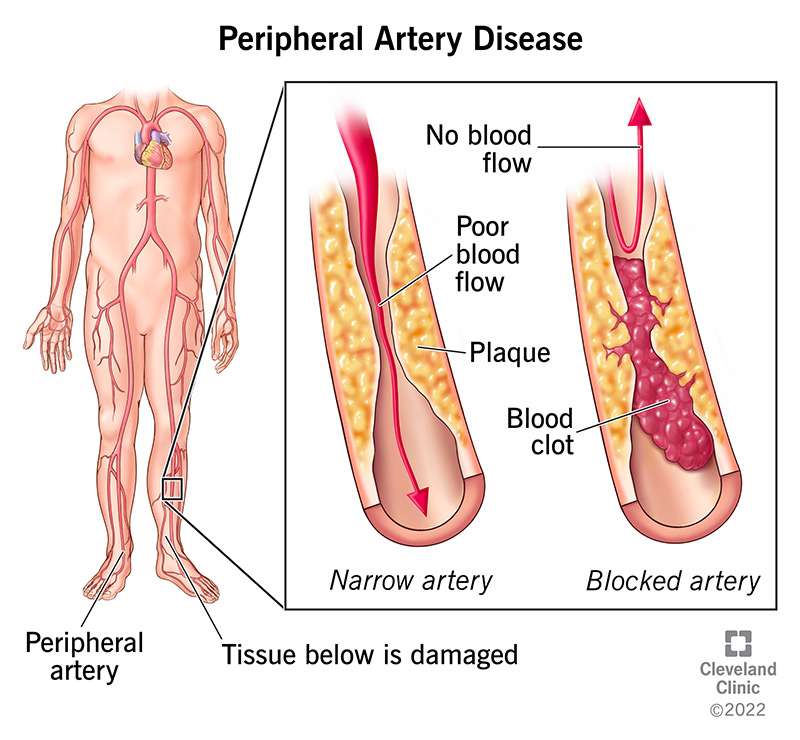
Vascular Diseases encompass a range of conditions affecting the blood vessels, including peripheral artery disease (PAD), carotid artery disease, and venous disorders. Effective management aims to alleviate symptoms, prevent complications, and improve quality of life.
🩺 Lifestyle Modifications
Adopting a heart-healthy lifestyle is foundational in managing vascular diseases:
- Smoking Cessation: Quitting smoking is crucial, as tobacco use accelerates atherosclerosis and increases the risk of cardiovascular events .prathimahospitals.com
- Dietary Changes: Emphasizing fruits, vegetables, whole grains, and lean proteins while reducing saturated fats helps manage cholesterol levels and blood pressure.
- Regular Exercise: Engaging in physical activity improves circulation and overall vascular health.
- Weight Management: Maintaining a healthy weight reduces strain on the cardiovascular system.
💊 Medications
Pharmacological interventions are tailored to individual needs:
- Antiplatelet Agents: Medications like aspirin or clopidogrel help prevent blood clots, reducing the risk of heart attacks and strokes .
- Statins: These drugs lower cholesterol levels, stabilizing plaques and preventing vascular events.
- Antihypertensives: Controlling blood pressure with medications such as ACE inhibitors or beta-blockers is essential in managing vascular health.
- Diabetes Management: Maintaining blood sugar levels within target ranges reduces the risk of complications in diabetic patients with vascular issues.
🥠Surgical and Interventional Procedures
In advanced cases, surgical interventions may be necessary:
- Angioplasty and Stenting: A balloon is used to open narrowed arteries, and a stent may be placed to keep the artery open .
- Atherectomy: Plaque is removed from the arteries to restore blood flow.
- Bypass Surgery: A graft is used to reroute blood around blocked arteries.
- Endarterectomy: Surgical removal of fatty deposits from artery walls.
- Thrombolytic Therapy: Clot-dissolving drugs are administered to treat acute blockages
🩹 Wound Care and Compression Therapy
For conditions like venous ulcers or PAD-related wounds:
- Wound Care: Proper cleaning and dressing of ulcers promote healing.
- Compression Therapy: Using compression stockings helps reduce swelling and improve blood flow in venous diseases .
Conclusion
Managing vascular diseases requires a multifaceted approach, including lifestyle modifications, medications, and, when necessary, surgical interventions. Early detection and consistent management are key to preventing complications and enhancing quality of life. Regular check-ups and collaboration with healthcare providers are essential components of effective vascular disease management.
KIDNEY DISEASES
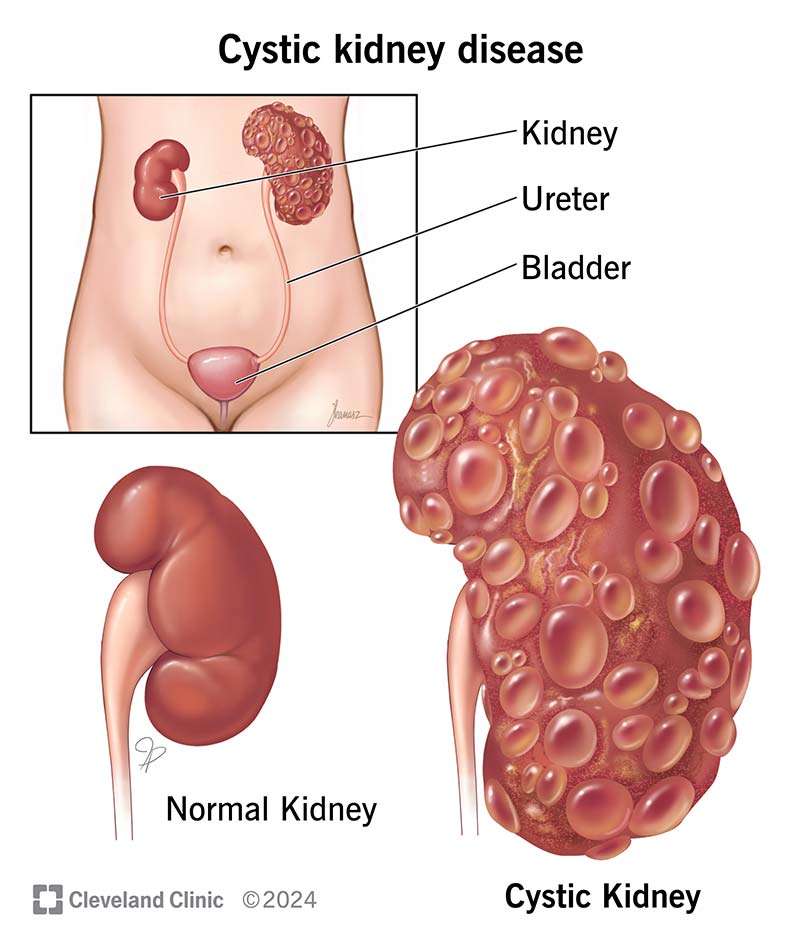
Kidney Diseases encompass a spectrum of conditions affecting kidney function, ranging from acute kidney injury (AKI) to chronic kidney disease (CKD). Effective management is crucial to prevent progression to end-stage renal disease (ESRD).
🩺 Treatment Approaches
1. Lifestyle Modifications
- Dietary Adjustments: Implementing a renal diet that limits sodium, phosphorus, potassium, and protein intake can alleviate kidney workload. This dietary approach helps manage electrolyte imbalances and reduces fluid retention .
- Hydration: Maintaining adequate fluid intake is essential, but in certain cases, fluid restrictions may be necessary to prevent fluid overload. Monitoring urine output and adjusting fluid intake accordingly is vital .
- Physical Activity: Engaging in regular exercise helps control blood pressure and improves overall health, which is beneficial for kidney function .
2. Pharmacological Interventions
- Blood Pressure Management: Angiotensin-converting enzyme (ACE) inhibitors and angiotensin II receptor blockers (ARBs) are commonly prescribed to control blood pressure and reduce proteinuria, thereby slowing CKD progression .
- Anemia Treatment: Erythropoiesis-stimulating agents (ESAs) and iron supplements are used to address anemia associated with CKD .
- Cholesterol Control: Statins may be recommended to manage elevated cholesterol levels, reducing cardiovascular risks in CKD patients .
3. Renal Replacement Therapy (RRT)
- Dialysis: Hemodialysis and peritoneal dialysis are employed when kidneys can no longer effectively filter waste products. Hemodialysis uses a machine to filter blood, while peritoneal dialysis uses the lining of the abdomen .
- Kidney Transplantation: A kidney transplant involves replacing a diseased kidney with a healthy one from a donor. This option is considered for eligible patients with ESRD .
4. Emerging Therapies
- Daprodustat: An oral medication approved for treating anemia due to CKD, offering an alternative to injectable ESAs .
Conclusion
Managing kidney disease requires a multifaceted approach, including lifestyle modifications, pharmacological treatments, and, when necessary, renal replacement therapies. Early detection and consistent management are key to preserving kidney function and improving patient outcomes. Regular monitoring and collaboration with healthcare providers are essential components of effective kidney disease management.
BREAST AND THYROID DISEASES
Breast Diseases
1. Breast Cancer
The most common malignancy among women globally, breast cancer originates in the breast cells, often presenting as lumps, changes in breast shape, or skin dimpling. Risk factors include age, family history, hormonal exposure, and lifestyle choices. Treatment modalities encompass surgery, chemotherapy, radiation therapy, and hormone therapy, tailored to cancer type and stage.
2. Benign Breast Conditions
These include fibroadenomas, cysts, and fibrocystic changes, which are non-cancerous but may cause discomfort or anxiety. Management often involves monitoring, aspiration of cysts, or surgical removal if necessary.
🩺 Thyroid Diseases
1. Hypothyroidism
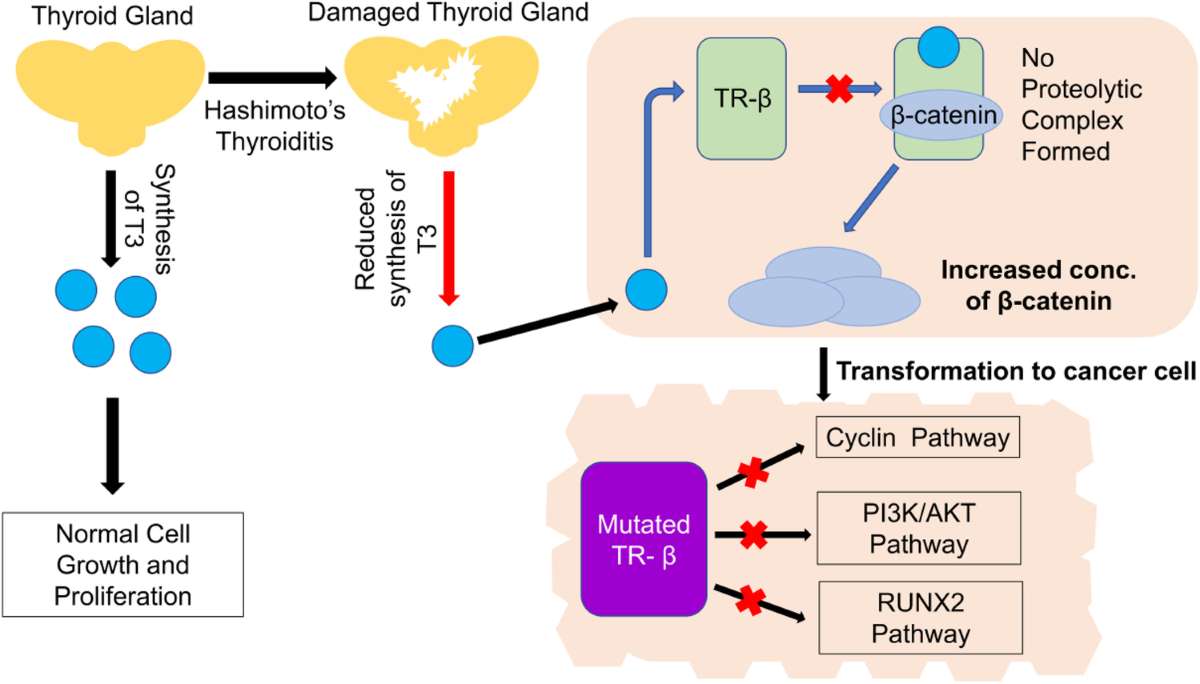
Characterized by insufficient thyroid hormone production, leading to symptoms like fatigue, weight gain, and depression. Common causes include Hashimoto's thyroiditis and iodine deficiency. Treatment typically involves thyroid hormone replacement therapy.
2. Hyperthyroidism
An overactive thyroid produces excess hormones, causing symptoms such as weight loss, rapid heartbeat, and anxiety. Graves' disease is a common cause. Management options include antithyroid medications, radioactive iodine therapy, or surgery.
3. Thyroid Cancer
Although rare, thyroid cancer can occur, with papillary carcinoma being the most common type. Treatment usually involves surgical removal of the thyroid gland, followed by radioactive iodine therapy.
🔗 Interconnections Between Breast and Thyroid Diseases
Recent studies suggest a potential link between thyroid disorders and an increased risk of breast cancer. For instance, hyperthyroidism and autoimmune thyroid diseases like Hashimoto's thyroiditis have been associated with a higher incidence of breast cancer. Conversely, hypothyroidism may be linked to a reduced risk, though findings are inconsistent and require further investigation.
Additionally, patients with thyroid cancer may have an elevated risk of developing breast cancer, particularly if they have a family history of cancer or have undergone radiation therapy.
Conclusion
Understanding the relationship between breast and thyroid diseases is crucial for early detection and management. Patients with thyroid disorders should be monitored for breast health, and vice versa, to ensure comprehensive care. Regular screenings and consultations with healthcare providers are recommended for individuals at risk.
HEMORRHOIDS
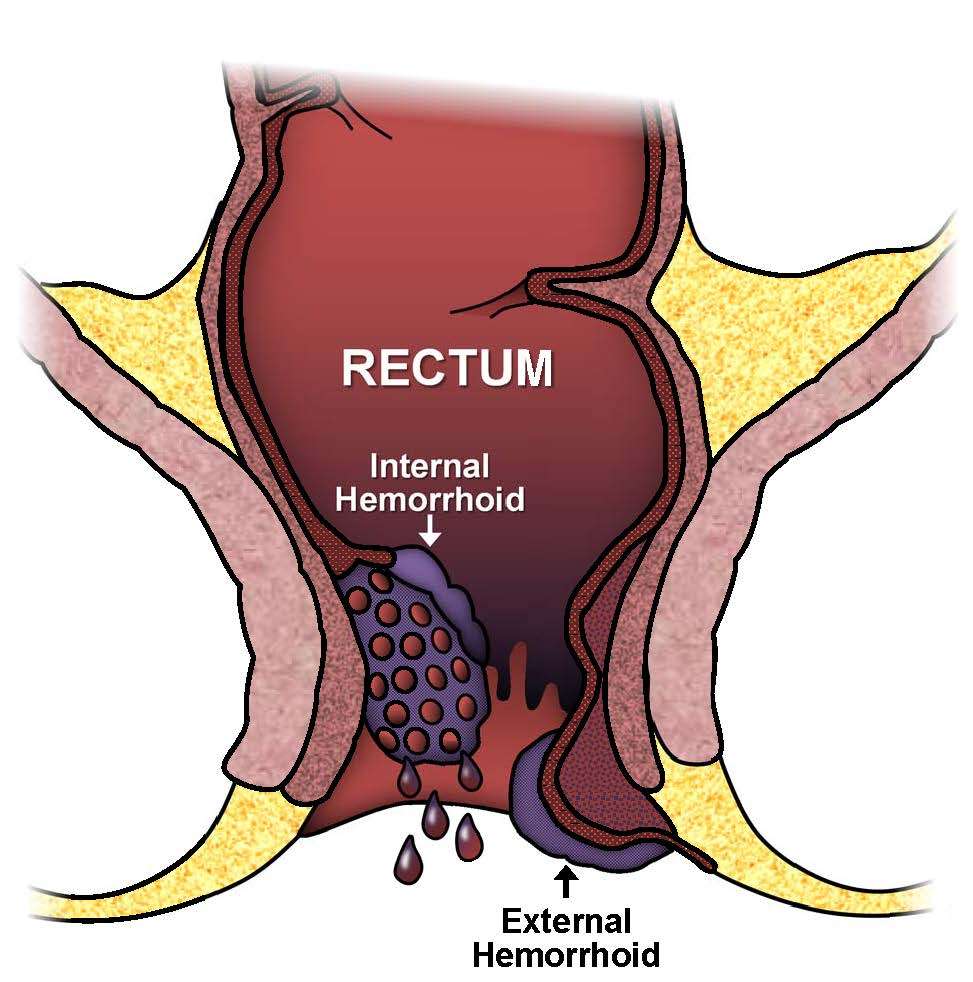
Hemorrhoids
Conservative Measures:
- Dietary Modifications: Increase fiber intake to 25–35 grams per day to soften stools and reduce straining.
- Hydration: Drink ample fluids to prevent constipation.
- Sitz Baths: Soak the anal area in warm water for 10–15 minutes several times daily to alleviate pain and swelling.
- Topical Treatments: Use over-the-counter creams or ointments containing hydrocortisone or witch hazel for symptom relief.
Medical Interventions:
- Rubber Band Ligation: A small rubber band is placed around the base of the hemorrhoid to cut off blood supply, causing it to shrink and fall off.
- Sclerotherapy: Injection of a chemical solution into the hemorrhoid to shrink it.
- Infrared Coagulation: Use of infrared light to cause scarring and shrinkage of the hemorrhoid.
Surgical Options:
- Hemorrhoidectomy: Surgical removal of large or prolapsed hemorrhoids.
- Stapled Hemorrhoidopexy: Stapling technique to remove hemorrhoidal tissue and reposition prolapsed hemorrhoids.
🩺 Anal Fissures Treatment
Conservative Measures:
- Fiber-Rich Diet: Consume 18–30 grams of fiber daily to prevent constipation.
- Hydration: Adequate fluid intake to soften stools.
- Sitz Baths: Warm water soaks to relax the anal sphincter and promote healing.
- Topical Analgesics: Use of lidocaine ointment for pain relief.
Medical Treatments:
- Nitroglycerin Ointment: Applied to the anal area to increase blood flow and reduce sphincter pressure, aiding healing.
- Botox Injections: Botulinum toxin injection to relax the anal sphincter muscle.
- Calcium Channel Blockers: Topical application of nifedipine or diltiazem to relax the anal sphincter.
Surgical Intervention:
- Lateral Internal Sphincterotomy (LIS): Surgical procedure involving a small incision in the anal sphincter to relieve pressure and promote healing.
Both conditions can often be managed with lifestyle modifications and medical treatments. However, persistent or severe cases may require surgical intervention. Consultation with a healthcare provider is recommended for proper diagnosis and treatment planning.
GASTRO-INTESTINAL DISEASE
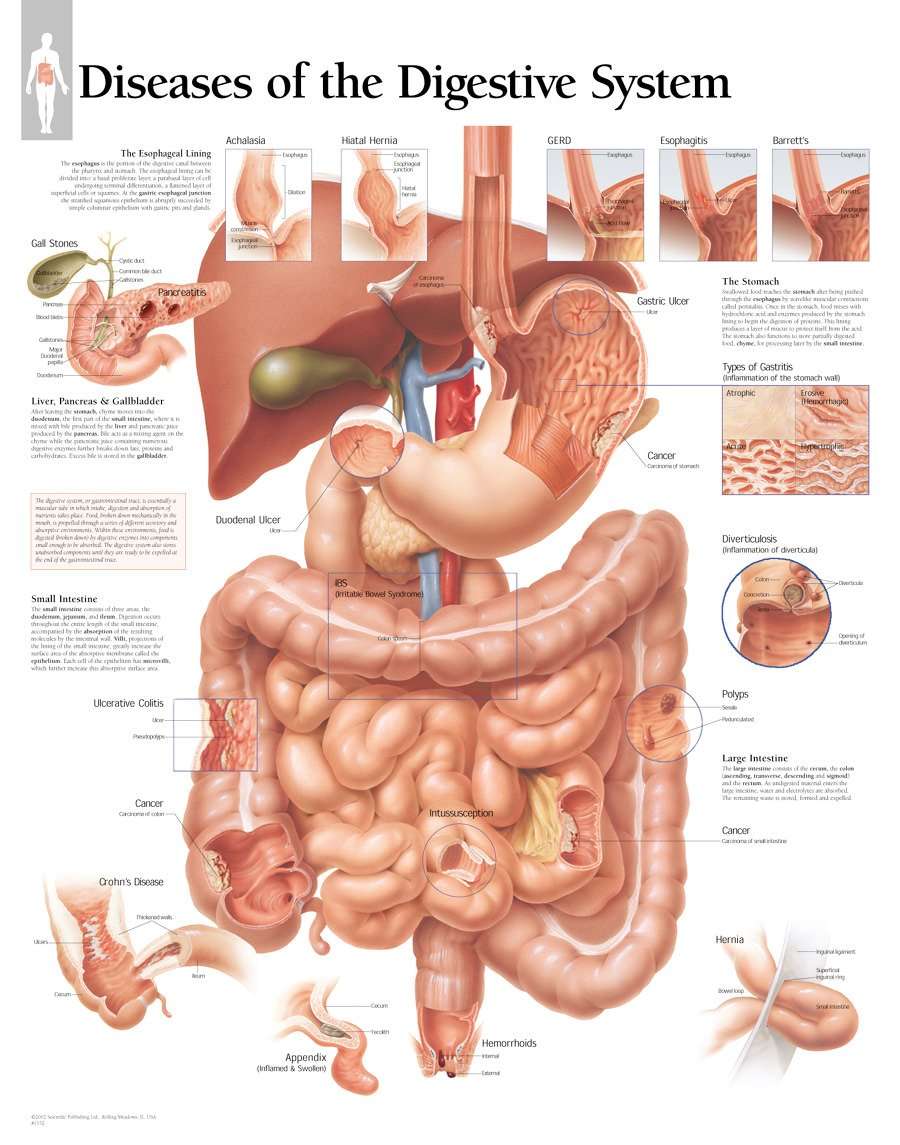
Gastrointestinal (GI) diseases encompass a wide range of conditions affecting the digestive system, including the esophagus, stomach, intestines, liver, and pancreas. These disorders can significantly impact daily life, causing symptoms such as abdominal pain, bloating, diarrhea, constipation, and nausea.
Common Gastrointestinal Disorders
- Gastroesophageal Reflux Disease (GERD): Characterized by chronic acid reflux, GERD leads to heartburn, chest pain, and regurgitation. It results from the backflow of stomach contents into the esophagus due to a weakened lower esophageal sphincter. Management includes lifestyle modifications, medications like proton pump inhibitors, and, in severe cases, surgery.
- Irritable Bowel Syndrome (IBS): A functional GI disorder causing symptoms like abdominal cramps, bloating, and alternating diarrhea and constipation. The exact cause remains unknown, but stress and diet can trigger symptoms. Treatment focuses on dietary changes, stress management, and medications to alleviate symptoms.
- Inflammatory Bowel Disease (IBD): Includes Crohn's disease and ulcerative colitis, conditions characterized by chronic inflammation of the gastrointestinal tract. Symptoms encompass persistent diarrhea, abdominal pain, fatigue, and weight loss. Treatment may involve anti-inflammatory drugs, immune system suppressors, and sometimes surgery.
- Peptic Ulcer Disease: Caused by the erosion of the stomach lining or the upper part of the small intestine, leading to sores or ulcers. Symptoms include stomach pain, bloating, and indigestion. Treatment typically involves antibiotics for H. pylori infection and medications to reduce stomach acid.
- Celiac Disease: An autoimmune disorder where ingestion of gluten damages the small intestine lining, leading to malabsorption of nutrients. Symptoms vary widely and can include diarrhea, weight loss, and fatigue. The primary treatment is a strict, lifelong gluten-free diet.
Diagnosis and Treatment
Diagnosis of GI diseases often involves a combination of medical history review, physical examination, laboratory tests, imaging studies, and endoscopic procedures. Treatment strategies are tailored to the specific condition and may include dietary modifications, medications, and in some cases, surgical interventions.
Conclusion
Gastrointestinal diseases are prevalent and can range from mild to severe. Early diagnosis and appropriate management are crucial for improving quality of life and preventing complications. If you experience persistent digestive symptoms, consult a healthcare professional for evaluation and personalized treatment.
HERNIA
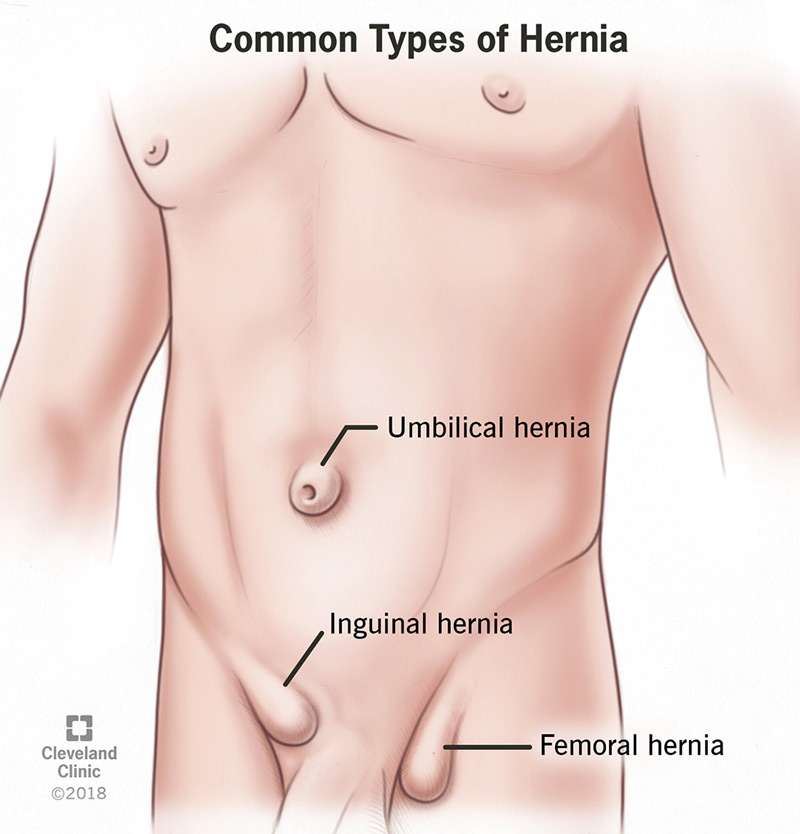
A Hernia occurs when an internal organ or tissue bulges through a weak spot in the abdominal wall, often causing pain or discomfort. While some small, asymptomatic hernias may be managed conservatively, surgical intervention is typically recommended for symptomatic or complicated cases.
Surgical Options
- Open Hernia Repair: This traditional method involves making a single incision at the hernia site to reposition the protruding tissue and reinforce the abdominal wall, usually with a synthetic mesh. It's effective for various hernia types but may require a longer recovery period.
- Laparoscopic (Minimally Invasive) Repair: Utilizing several small incisions, this technique involves inserting a camera and instruments to repair the hernia. It offers benefits like reduced pain, shorter hospital stays, and quicker recovery. Laparoscopic repair is often preferred for bilateral or recurrent hernias.
- Robotic-Assisted Surgery: An advanced form of laparoscopic surgery, robotic-assisted procedures provide enhanced precision and control. The surgeon operates robotic arms while viewing a 3D magnified image, improving outcomes, especially in complex or large hernias.
Conservative Management
For small, asymptomatic hernias, a "watchful waiting" approach may be advised. This involves monitoring the hernia for any changes or worsening symptoms over time. Lifestyle modifications, such as avoiding heavy lifting and maintaining a healthy weight, can help manage symptoms.
Conclusion
The choice of treatment depends on the hernia's type, size, and location and the patient's overall health. Consulting with a healthcare professional is essential to determine the most appropriate treatment plan.
UROLOGY
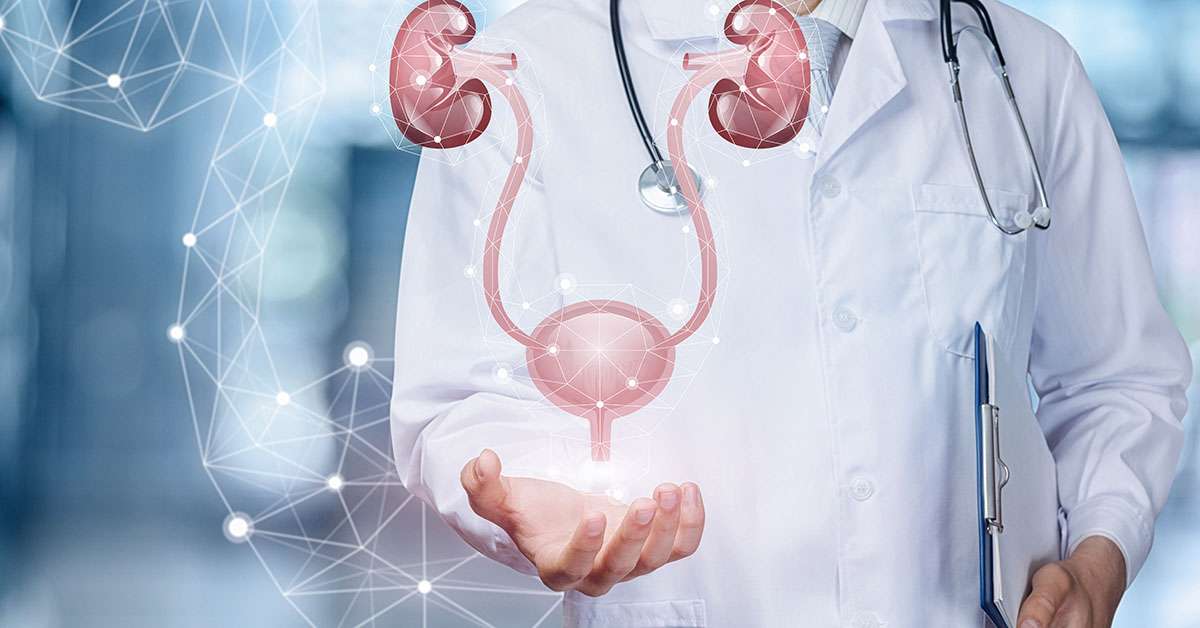
Urology is a medical specialty focusing on the diagnosis and treatment of conditions affecting the urinary tract and male reproductive organs. Urologists manage a wide range of disorders, including urinary tract infections (UTIs), kidney stones, benign prostatic hyperplasia (BPH), prostate cancer, erectile dysfunction, and incontinence.
Common Urological Treatments
- Medications: Alpha-blockers and 5-alpha-reductase inhibitors are commonly prescribed to manage BPH symptoms by relaxing prostate muscles and reducing gland size.
- Minimally Invasive Procedures:
- Transurethral Microwave Thermotherapy (TUMT): Utilizes microwave energy to shrink prostate tissue, alleviating BPH symptoms.
- Prostatic Artery Embolization (PAE): A non-surgical technique that blocks blood flow to the prostate, leading to its shrinkage.
- Surgical Interventions:
- Transurethral Resection of the Prostate (TURP): A standard procedure for BPH involving the removal of prostate tissue through the urethra.
- Prostatectomy: Surgical removal of all or part of the prostate gland, often performed for prostate cancer.
- Neuromodulation Therapy:
- Percutaneous Tibial Nerve Stimulation (PTNS): A minimally invasive procedure that stimulates nerves controlling the bladder, effective for overactive bladder symptoms.
GENERAL SURGERY
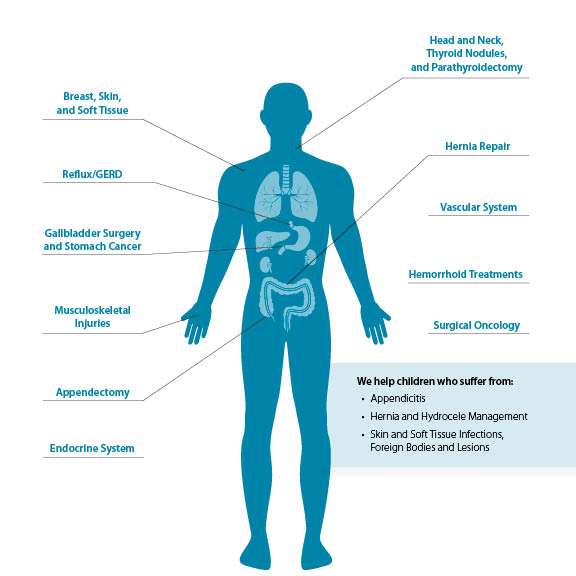
General surgery is a medical specialty that focuses on surgical treatment of conditions affecting the abdomen, digestive tract, skin, soft tissues, and endocrine system. It includes both elective and emergency procedures, often performed using advanced techniques such as laparoscopy (keyhole surgery) and robotic-assisted systems.
Common General Surgical Treatments:
- Appendectomy: Surgical removal of an inflamed appendix, commonly due to appendicitis. This is often an emergency procedure.
- Cholecystectomy: Removal of the gallbladder, typically performed to treat gallstones or gallbladder infection.
- Hernia Repair: Fixes abdominal wall hernias using sutures or surgical mesh, done through open or laparoscopic techniques.
- Bowel Resection: Removal of a diseased part of the intestine, often necessary for cancer, Crohn’s disease, or obstruction.
- Mastectomy: Surgical removal of one or both breasts, usually as a treatment for breast cancer.
- Thyroidectomy: Partial or total removal of the thyroid gland to treat thyroid disorders or cancer.
Modern Techniques:
Minimally invasive surgery, such as laparoscopic and robotic surgery, uses small incisions, reducing recovery time, pain, and hospital stay. These approaches are increasingly preferred due to lower risk of complications.
Postoperative Care:
Recovery varies by procedure but usually includes pain management, wound care, mobility exercises, and follow-up visits. Lifestyle changes and medications may be recommended to support long-term healing.
STONE DISEASES
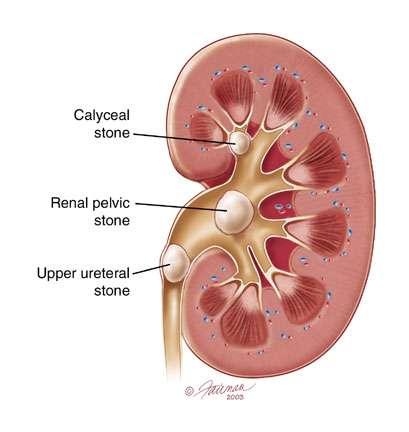
Stone diseases, particularly kidney stones, require treatment based on the type, size, and location of the stone, as well as the severity of symptoms. Small stones often pass naturally through the urinary tract with increased fluid intake. Drinking 2–3 liters of water daily helps dilute the urine, making it easier for small stones to pass. Pain can be managed with over-the-counter medications like ibuprofen or prescribed painkillers.
For larger or symptomatic stones, medical intervention may be necessary. Medications such as alpha-blockers (e.g., tamsulosin) can relax the muscles in the ureter, aiding stone passage. Uric acid stones may dissolve with urine alkalinization using potassium citrate or sodium bicarbonate.
PRIMARY IMMUNODEFICIENCY DISORDERS

Primary Immunodeficiency Disorders (PIDDs) are a group of more than 400 rare, chronic genetic conditions in which the body's immune system does not function properly. These disorders are typically inherited and present from birth, although symptoms may not become apparent until later in life. PIDDs affect various components of the immune system, resulting in increased susceptibility to recurrent, severe, or unusual infections. In addition to infections, affected individuals may experience autoimmune diseases, chronic inflammation, allergies, and an increased risk of certain cancers. Common examples of primary immunodeficiency disorders include Selective IgA Deficiency, Common Variable Immunodeficiency (CVID), Severe Combined Immunodeficiency (SCID), Chronic Granulomatous Disease (CGD), and DiGeorge Syndrome. Diagnosis usually involves detailed clinical evaluation, immunological testing, measurement of antibody levels, assessment of immune cell function, and genetic testing. Treatment may include immunoglobulin replacement therapy, preventive antibiotics, infection management, immune-modulating therapies, and, in severe cases, hematopoietic stem cell (bone marrow) transplantation. Early diagnosis and appropriate medical care can significantly improve quality of life and long-term outcomes for individuals with primary immunodeficiency disorders.
BIOLOGICS

Biologic therapies are advanced medications derived from living organisms that are designed to target specific components of the immune system involved in allergic and inflammatory diseases. Unlike traditional medications that broadly suppress immune activity, biologics work by blocking particular molecules, cells, or pathways responsible for causing inflammation and allergic reactions. These therapies are commonly used in patients with moderate-to-severe conditions that do not respond adequately to conventional treatments. In the field of Allergy and Immunology, biologics are widely used for the management of severe allergic asthma, eosinophilic asthma, chronic rhinosinusitis with nasal polyps, atopic dermatitis (eczema), and chronic spontaneous urticaria (hives). Common biologic agents include Omalizumab, which targets Immunoglobulin E (IgE); Mepolizumab, Reslizumab, and Benralizumab, which reduce eosinophil levels; and Dupilumab, which blocks key inflammatory pathways involving interleukin-4 and interleukin-13. These targeted treatments can significantly improve symptom control, reduce disease flare-ups, decrease dependence on corticosteroids, and enhance quality of life. Although biologic therapies are highly effective for selected patients, they require careful evaluation and monitoring by an Allergist or Clinical Immunologist to ensure appropriate use, safety, and optimal treatment outcomes.
IMMUNOTHERAPY

Immunotherapy is an advanced treatment approach that harnesses and enhances the body's natural immune system to identify, target, and eliminate abnormal cells. In the field of Allergy and Immunology, immunotherapy primarily refers to treatments that modify the immune response to allergens, helping reduce sensitivity and providing long-term relief from allergic conditions. It is commonly used for allergic rhinitis, allergic asthma, insect venom allergies, and certain environmental allergies. Immunotherapy works by gradually exposing the immune system to controlled amounts of allergens, enabling the body to develop tolerance and reducing the severity of allergic reactions over time. Treatment may be administered through allergy shots (subcutaneous immunotherapy) or allergy tablets and drops (sublingual immunotherapy). In addition to allergy management, immunotherapy also plays an important role in treating certain immune-mediated and inflammatory conditions through targeted biological therapies. By addressing the underlying immune mechanisms rather than simply controlling symptoms, immunotherapy can provide long-lasting benefits, reduce medication dependence, improve quality of life, and help prevent the progression of allergic diseases. Treatment plans are individualized and carefully monitored by an Allergist or Clinical Immunologist to ensure safety and effectiveness.
STEM CELL TRANSPLANT
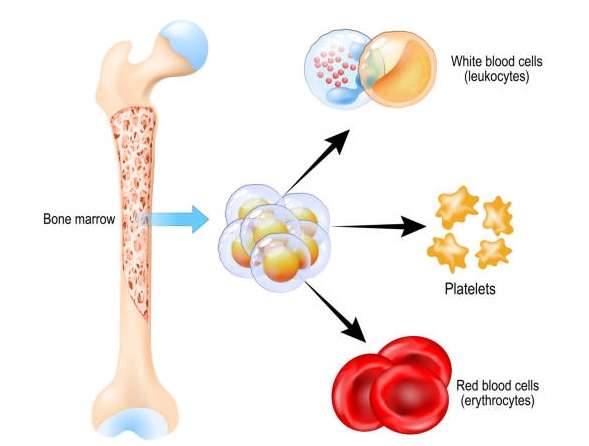
A stem cell transplant, also known as a bone marrow transplant, is a procedure that infuses healthy stem cells into the body to replace damaged or diseased bone marrow. Stem cells are the basic cells of the body that have the potential to develop into many different cell types during early life and growth. In certain cases, they can also repair the body by dividing indefinitely to replenish cells.
Stem cell transplants are used to treat conditions where the bone marrow doesn't work and can't produce healthy blood cells. This could be due to disease (like certain types of leukemia or lymphoma), congenital conditions (like sickle cell anemia or thalassemia), or specific high-dose cancer treatments that destroy the bone marrow along with the cancer cells.
There are two main types of stem cell transplants:
1. Autologous Transplant: This involves using the patient's own stem cells. The cells are harvested, or removed, from the patient before they undergo a treatment (like chemotherapy or radiation) that destroys their bone marrow. After treatment, the patient's stem cells are returned to their body to help their bone marrow start to produce new blood cells.
2. Allogeneic Transplant: This involves using stem cells from a donor. The donor could be a family member, an unrelated donor, or umbilical cord blood. For the transplant to be successful, certain markers on the donated cells (called human leukocyte antigen (HLA) markers) must match the markers on the patient's cells as closely as possible to minimize the risk of complications.
One potential risk in allogeneic transplants is a condition called graft-versus-host disease (GVHD), which occurs when the donor cells attack the patient's own cells as they would a foreign substance.
Recovery from a stem cell transplant can take several months, and the patient will need to be closely monitored for complications. The success of the transplant depends on a range of factors, including the type of disease being treated, the type of transplant, the patient's overall health, and how closely the donor's HLA markers match those of the patient.
HORMONE THERAPY
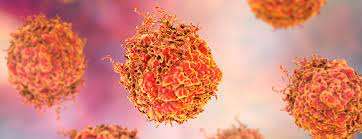
Hormone therapy, also known as hormonal therapy, endocrine therapy, or hormone-blocking therapy, is a type of treatment that focuses on using drugs to adjust the levels of certain hormones in the body. It's often used as a treatment for cancers that are sensitive to hormones, such as breast cancer and prostate cancer.
Here's how hormone therapy works for these two types of cancer:
1. Breast Cancer: Some breast cancers are fueled by the hormones estrogen and/or progesterone. Hormone therapy for breast cancer works by preventing these hormones from attaching to the cancer cells or by reducing the body's production of these hormones. Examples of drugs used in this therapy include Tamoxifen, which blocks estrogen from binding to cancer cells, and Aromatase inhibitors, which lower the amount of estrogen the body makes.
2. Prostate Cancer: Testosterone, a hormone produced primarily in the testes, can promote the growth of prostate cancer cells. Hormone therapy for prostate cancer works by blocking the production or action of testosterone. This is often achieved through medications known as LHRH agonists or antagonists, or through a surgical procedure known as orchiectomy, which removes the testes.
While hormone therapy can be very effective in treating certain types of cancer, it can also have side effects. These can include menopausal symptoms (like hot flashes and vaginal dryness) for women, and erectile dysfunction, hot flashes, and loss of muscle mass for men. It's important to note that hormone therapy is different from hormone replacement therapy (HRT), which is used to replace hormones that are at low levels due to menopause.
Apart from cancer treatment, hormone therapy can also be used for other conditions and purposes, such as gender-affirming hormone therapy for transgender individuals.
RADIATION THERAPY
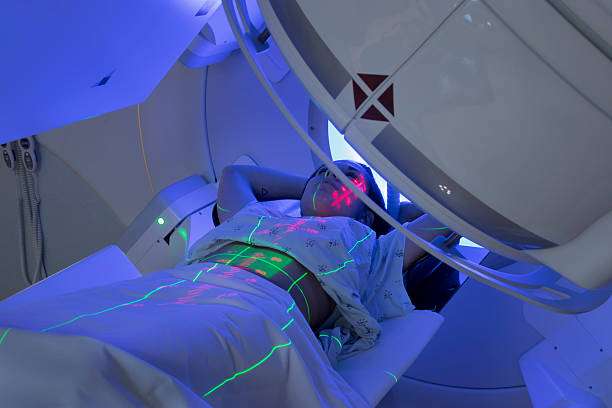
Radiation therapy, also known as radiotherapy, is a common method used to treat cancer. It uses high-energy particles or waves, such as X-rays, gamma rays, or proton beams, to destroy or damage cancer cells. It can be used alone or in conjunction with other treatments like surgery and chemotherapy.
Radiation therapy works by damaging the DNA within cancer cells, making them unable to divide and grow. While it aims to target cancer cells, it can also harm nearby healthy cells. However, normal cells can usually repair much of the radiation-induced damage, whereas cancer cells cannot.
There are two main types of radiation therapy:
1. External Beam Radiation Therapy (EBRT): This is the most common type and involves radiation being delivered from a machine positioned outside the body. The machine rotates around the patient, delivering radiation to the tumor site from several angles. The treatment is usually delivered over several sessions, with each session lasting just a few minutes.
2. Internal Radiation Therapy (Brachytherapy): This involves placing a small radioactive source directly into or near the tumor. The radioactive source can be left temporarily or permanently, depending on the type and stage of cancer being treated.
Radiation therapy can also be used in different contexts: -
Curative Treatment: It can be used with the intent to cure the cancer, either as a standalone treatment or in conjunction with other therapies.
Adjuvant Treatment: After the primary treatment like surgery, radiation therapy can be used to kill any remaining cancer cells.
Neoadjuvant Treatment: Radiation can be given before the primary treatment to shrink a tumor and make it easier to remove or treat.
Palliative Treatment: For advanced cancers, radiation therapy can be used to relieve symptoms caused by the cancer, such as pain or pressure.
The use of radiation therapy has to be carefully planned to maximize its effects on cancer cells and minimize damage to healthy cells. This involves detailed imaging studies to identify the exact location of the tumor and sophisticated computer programs to plan the radiation doses.
Side effects of radiation therapy can include fatigue, mild skin reactions, upset stomach, and loose bowel movements. Most side effects go away a few weeks after treatment is completed. Long-term side effects, which are rare, can include fibrosis, damage to the bowels, or secondary cancers.
CHEMOTHERAPY

Chemotherapy is a type of cancer treatment that uses drugs to destroy or slow down the growth of cancer cells. It is one of the most commonly used treatments for cancer and can be used alone or in combination with other therapies like surgery or radiation therapy.
The primary goal of chemotherapy is to target rapidly dividing cancer cells and prevent them from multiplying further. However, chemotherapy drugs can also affect normal, healthy cells that divide quickly, such as cells in the bone marrow, digestive system, and hair follicles. This is why chemotherapy is associated with side effects like hair loss, nausea, vomiting, fatigue, and an increased risk of infections.
There are various forms of chemotherapy, including:
1. Systemic Chemotherapy: This type of chemotherapy is administered through the bloodstream, and it can reach cancer cells throughout the body. It is often used for cancers that have spread or metastasized to other parts of the body. 2. Regional Chemotherapy: In this approach, chemotherapy is delivered directly to a specific area of the body, such as the abdomen or the chest cavity. This can be done through intraperitoneal or intrathoracic routes, respectively.
3. Adjuvant Chemotherapy: Adjuvant chemotherapy is given after the primary treatment, such as surgery, to reduce the risk of cancer recurrence.
4. Neoadjuvant Chemotherapy: Neoadjuvant chemotherapy is administered before the main treatment, such as surgery or radiation therapy, to shrink a tumor or make it easier to remove.
5. Palliative Chemotherapy: Palliative chemotherapy aims to relieve symptoms and improve the quality of life in patients with advanced or metastatic cancer. It does not cure cancer but can help control its growth and manage related symptoms.
The specific chemotherapy drugs used depend on the type of cancer being treated, its stage, the overall health of the patient, and other individual factors. Chemotherapy is typically given in cycles, with periods of treatment followed by periods of rest to allow the body to recover from the effects of the drugs.
While chemotherapy can be highly effective in treating certain types of cancer, it may not be the best treatment option for all cases. Oncologists carefully consider the potential benefits and risks of chemotherapy for each patient and may recommend other treatment approaches depending on the specific circumstances.
HOMEOPATHY

Homeopathy is a complementary or alternative medicine (CAM). This means that homeopathy is different in important ways from treatments that are part of conventional Western medicine. It's based on a series of ideas developed in the 1790s by a German doctor called Samuel Hahnemann.
GENERAL PHYSICIAN
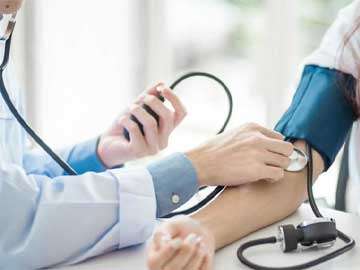
General Physicians are highly trained specialists who provide a range of non-surgical health care to adult patients. They care for difficult, serious or unusual medical problems and continue to see the patient until these problems have resolved or stabilised.
LAB TESTS AND SCREENINGS

A medical procedure that involves testing a sample of blood, urine, or other substance from the body. Laboratory tests can help determine a diagnosis, plan treatment, check to see if treatment is working, or monitor the disease over time.
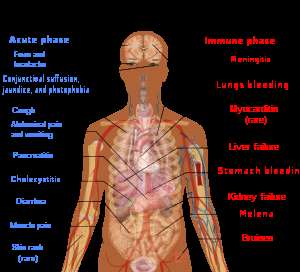
LEPTOSPIROSIS
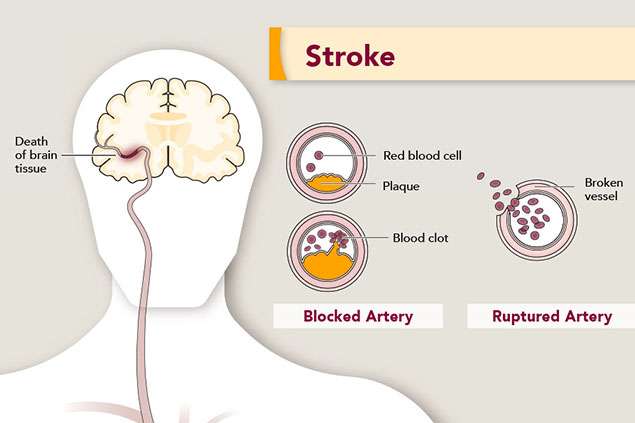
STROKE
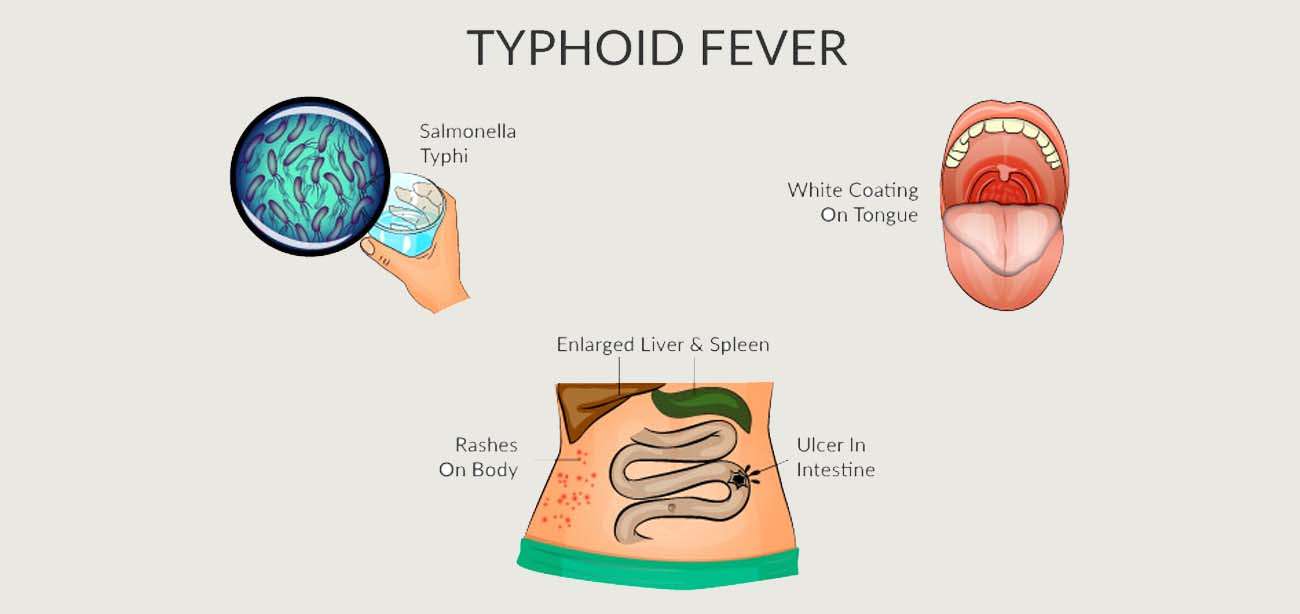
TYPHOID
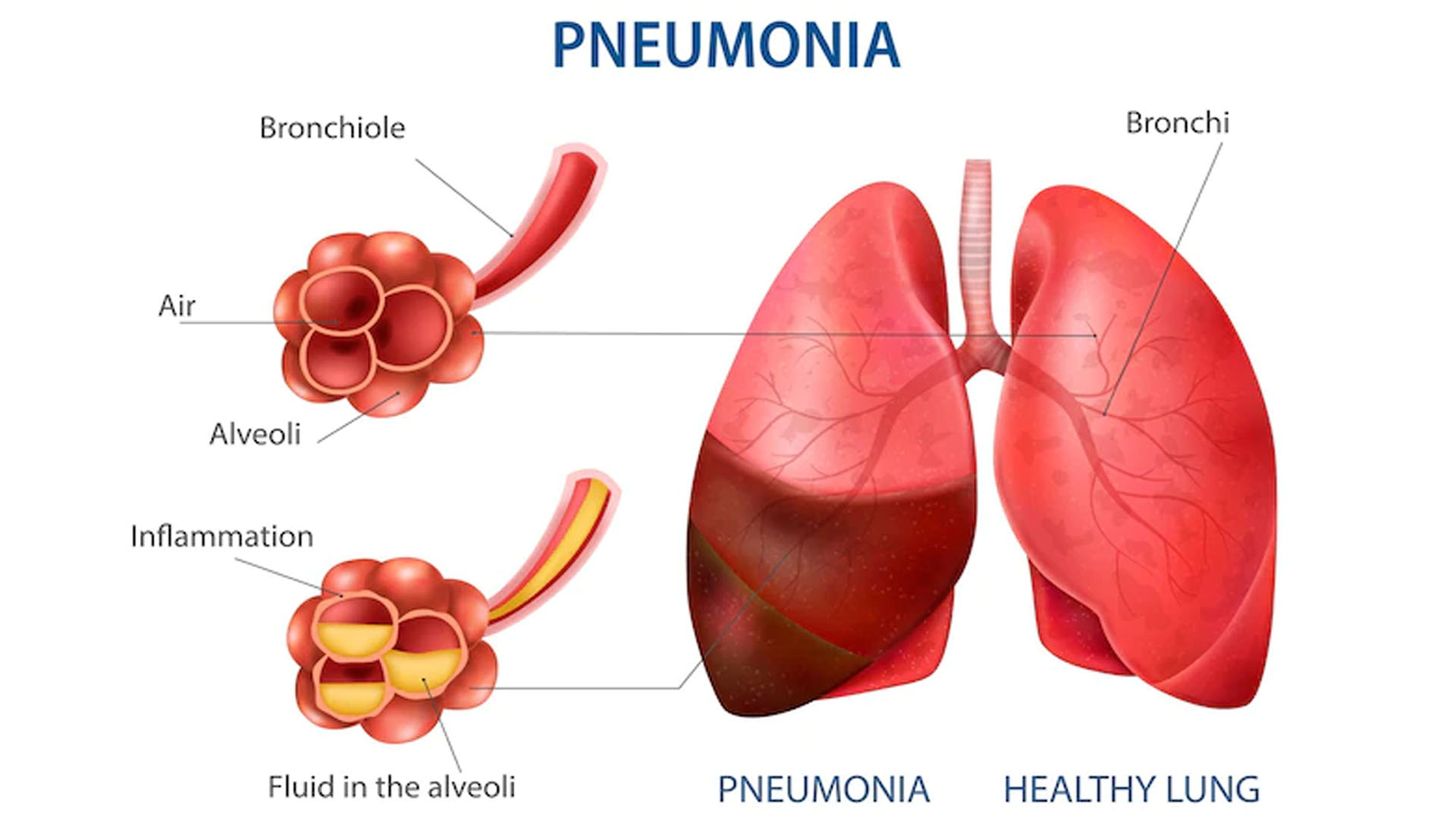
PNEUMONIA
FEVER
SKIN DISEASES

Skin diseases encompass a wide range of conditions that affect the skin, resulting in various symptoms and appearances. Some common skin diseases include:
- Acne: A common skin condition characterized by the formation of pimples, blackheads, and whiteheads on the face, chest, and back.
- Eczema: A chronic inflammatory condition that causes dry, itchy, and red patches on the skin.
- Psoriasis: A chronic autoimmune disease that causes red, scaly patches on the skin, often accompanied by itching or pain.
- Dermatitis: Inflammation of the skin that can be caused by various factors such as irritants, allergens, or genetic predisposition.
- Rosacea: A chronic skin condition characterized by facial redness, flushing, and sometimes pimples or visible blood vessels.
- Hives (Urticaria): Raised, itchy bumps on the skin that are often caused by an allergic reaction or exposure to certain triggers.
- Athlete's Foot: A fungal infection that affects the feet, causing itching, redness, and peeling of the skin.
- Ringworm: A fungal infection that forms a ring-shaped rash on the skin, often itchy and scaly.
- Impetigo: A highly contagious bacterial infection characterized by red sores that break open, ooze, and form a yellowish crust.
- Shingles: A viral infection caused by the reactivation of the varicella-zoster virus, resulting in a painful rash with fluid-filled blisters.
It's important to consult a dermatologist or healthcare professional for an accurate diagnosis and appropriate treatment for any skin condition.
CHILDHOOD DISEASES

Childhood diseases refer to a wide range of illnesses that primarily affect children. Some common childhood diseases include:
- Chickenpox (Varicella): A highly contagious viral infection causing an itchy rash and fever.
- Measles: A viral infection characterized by fever, cough, runny nose, and a rash.
- Mumps: A viral infection causing swelling and pain in the salivary glands, leading to swollen cheeks and jaw.
- Rubella (German Measles): A viral infection causing a rash and fever, particularly dangerous for pregnant women.
- Whooping cough (Pertussis): A bacterial infection causing severe coughing spells, especially dangerous for infants.
- Hand, Foot, and Mouth Disease: A viral infection characterized by sores in the mouth, on the hands, and on the feet.
- Rotavirus: A highly contagious virus causing severe diarrhea, vomiting, and dehydration in infants and young children.
- Fifth Disease (Erythema infectiosum): A viral infection causing a distinctive rash on the face, cheeks, and body.
- Croup: A viral infection causing a barking cough and difficulty breathing.
- Roseola: A viral infection characterized by high fever followed by a rash.
It's important to note that diagnosing and treating specific diseases should be done by medical professionals. If you have concerns about a child's health, it's best to consult a healthcare provider.
WOMAN DISEASES

"Woman Disease" is a broad term that does not refer to a specific medical condition. Women can be affected by a variety of diseases and health conditions, some of which are unique to or more common in females. It's essential to address specific diseases or conditions to provide accurate information.
Here are some common health conditions that can affect women:
- Breast Cancer: A malignant tumor that develops in breast tissue, predominantly affecting women.
- Ovarian Cancer: Cancer that begins in the ovaries, the female reproductive organs responsible for producing eggs.
- Endometriosis: A condition where tissue similar to the lining of the uterus grows outside the uterus, causing pain and fertility problems.
- Polycystic Ovary Syndrome (PCOS): A hormonal disorder characterized by enlarged ovaries with cysts and hormonal imbalances, leading to irregular periods and other symptoms.
- Cervical Cancer: Cancer that develops in the cervix, the lower part of the uterus.
- Premenstrual Syndrome (PMS): A combination of physical and emotional symptoms that occur in the days leading up to menstruation.
- Urinary Tract Infections (UTIs): Infections in the urinary system, including the bladder and urethra, which can be more common in women.
- Osteoporosis: A condition characterized by a decrease in bone density, making bones more fragile and prone to fractures, which is more common in women, especially after menopause.
- Menopause: The natural process that occurs in women's lives, typically in their 40s or 50s when menstrual periods cease and hormone levels change.
- Pelvic Inflammatory Disease (PID): An infection of the female reproductive organs, usually caused by sexually transmitted bacteria.
It's important to note that these are just a few examples, and there are many more health conditions that can affect women. If you have concerns about your health, it's recommended to consult a healthcare professional for a proper diagnosis and treatment.
HOMEOPATHY
CARDIOLOGY

PSYCHIATRY

RHEUMATOLOGY

VASCULAR
THERAPEUTIC ENDOSCOPY
EMERGENCY ENDOSCOPY FOR GI BLEEDS
COLONOSCOPY
A GI Colonoscopy is an advanced diagnostic and preventive procedure performed by a Gastrointestinal (GI) specialist to examine the inner lining of the colon and rectum. It is commonly used for colorectal cancer screening, detection and removal of polyps, evaluation of gastrointestinal bleeding, chronic diarrhea, constipation, abdominal pain, inflammatory bowel disease (IBD), and other digestive disorders. Colonoscopy enables early diagnosis and timely treatment of colorectal conditions, helping maintain optimal digestive health and prevent serious gastrointestinal diseases.
UPPER GI ENDOSCOPY
RADIOFREQUENCY

EPILEPSY SURGERY

CHRONIC SPINAL PAIN

VACCINATION AND CHECK-UP

INFECTIOUS DISEASES

GASTRIC DISORDERS

PAIN MANAGEMENT

MIGRAINE

RESPIRATORY PROBLEMS
HEART PROBLEMS
HEART PROBLEMS
THYROID DISEASE
DIABETES MANAGEMENT

SORE THROAT