
DrHS Chawla
About Me
DrHS Chawla
MBBS
Podiatrist
10 Years Experience
Biography
My Clinic
OPD Hours
| Monday | Morning | 10:00 AM | - | 02:00 PM |
| Evening | 06:00 PM | - | 09:00 PM | |
| Tuesday | Morning | 10:00 AM | - | 02:00 PM |
| Evening | 06:00 PM | - | 09:00 PM | |
| Wednesday | Morning | 10:00 AM | - | 02:00 PM |
| Evening | 06:00 PM | - | 09:00 PM | |
| Thursday | Morning | 10:00 AM | - | 02:00 PM |
| Evening | 06:00 PM | - | 09:00 PM | |
| Friday | Morning | 10:00 AM | - | 02:00 PM |
| Evening | 06:00 PM | - | 09:00 PM | |
| Saturday | Morning | 10:00 AM | - | 02:00 PM |
| Evening | 06:00 PM | - | 09:00 PM | |
| Sunday | Morning | 10:00 AM | - | 02:00 PM |
| Evening | 06:00 PM | - | 09:00 PM |
Treatments
Specialised care and treatments offered
CUSTOM ORTHOTICS FABRICATION
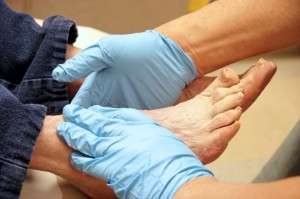
Bespoke shoe inserts designed based on individual foot anatomy help correct abnormal gait patterns reducing stress on joints. They play a key role in comprehensive podiatric care.
- The purpose involves redistributing pressure evenly while supporting arches tailored precisely per each patient’s footprint analysis;
- The fabrication begins with detailed casting or digital scanning capturing three-dimensional contours ensuring optimal fit;
- The orthotics address various conditions such as flat feet, plantar fasciitis, or recurrent calluses by improving biomechanical alignment;
- User compliance entails wearing these inserts consistently inside everyday footwear enhancing comfort during prolonged standing or walking sessions;
- This personalized solution aims at preventing progression of deformities while alleviating existing symptoms promoting long-term musculoskeletal health.;
The use of custom orthotics often results in significant functional improvements alongside reduction in chronic discomfort through individualized support mechanisms.;
PERIPHERAL NEUROPATHY SCREENING IN FOOT CARE
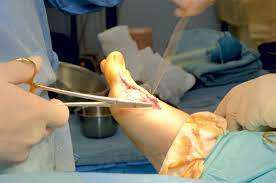
Nerve damage in the feet can lead to sensory loss compromising balance and injury detection. Timely screening facilitates interventions that enhance safety.
- Sensory changes including numbness or tingling often indicate underlying neuropathy potentially caused by diabetes or other systemic diseases;
- The diagnostic approach involves detailed history taking combined with clinical tests assessing vibration perception using tuning forks and monofilament sensation testing;
- Treatment focuses on managing underlying conditions along with protective foot care education;
- Pain relief may require medications targeting nerve pain alongside physical therapy aiming at improving gait stability;
- Lifestyle modifications emphasizing foot inspections enable early identification of complications preventing serious outcomes;
A proactive screening routine is vital for maintaining mobility among individuals prone to peripheral nerve dysfunction affecting their lower extremities;
BUNIONS (HALLUX VALGUS) ASSESSMENT AND SUPPORT
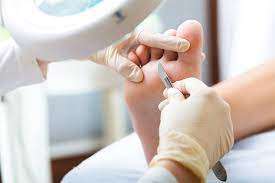
Bunions are bony bumps forming at the base of the big toe joint often related to structural foot abnormalities. Early recognition aids in symptom relief.
- Description & causes: Misalignment leads to progressive deformity; factors include genetics, improper footwear such as narrow shoes.
- Diagnosis process: Physical examination accompanied by X-rays to evaluate severity and joint involvement;
- Treatment possibilities: Non-surgical methods like shoe modifications with wider toe boxes, padding over the bunion area to reduce irritation.
- Pain management & prevention: Orthotic devices may redistribute pressure away from the affected joint during walking;
- The goal is minimizing discomfort while preserving function despite structural changes;
INGROWN TOENAIL TREATMENT
An ingrown toenail occurs when the nail edge grows into surrounding skin causing pain and possible infection. Early attention prevents complications.
- Causes & symptoms: Improper nail trimming, tight footwear, trauma leading to redness, swelling, tenderness around the nail fold.
- Diagnostic steps: Physical examination identifies localized inflammation; culture may be done if infection suspected.
- Treatment options: Conservative care includes warm soaks, topical antibiotics if infected, correct footwear advice;
- Surgical intervention: Partial nail avulsion under local anesthesia is performed if conservative measures fail or recurrence is frequent.
- If untreated: Risk of spreading infection or persistent discomfort increases without appropriate care.
PLANTAR FASCIITIS MANAGEMENT
A common cause of heel pain stems from inflammation of the plantar fascia ligament. Understanding this condition helps patients manage symptoms more effectively.
- Symptoms and causes: Sharp heel pain especially after periods of rest; often linked to overuse or biomechanical issues like flat feet or high arches.
- Diagnosis: Clinical evaluation focusing on pain location and intensity; imaging rarely required unless ruling out other causes.
- Treatment approaches: Rest, stretching exercises targeting the calf muscles and plantar fascia, use of orthotic devices to support the arch.
- Additional management: Application of ice packs, NSAIDs for inflammation control, and modifying activities that exacerbate symptoms.
- Expected outcome: Most individuals experience gradual improvement within months with consistent adherence to treatment protocols.
This condition typically responds well to conservative therapies aimed at reducing strain and promoting tissue healing.
DIABETIC FOOT CARE AND ULCER PREVENTION
Diabetes can significantly affect foot health, making careful inspection and proactive care essential. Maintaining healthy feet is crucial for preventing severe complications such as ulcers.
- Symptoms and causes: Diabetic neuropathy reduces sensation, increasing the risk of unnoticed injuries; poor circulation also impairs healing.
- Diagnosis: Regular foot exams assess skin integrity, detect deformities, and check for reduced sensation using monofilament tests.
- Treatment options: Emphasis on daily foot hygiene, moisturizing dry skin, proper footwear to prevent pressure points, and prompt treatment of cuts or blisters.
- Management strategies: Frequent monitoring by specialists to identify early signs of ulcers or infections; patient education on self-care practices.
- What to expect: With vigilant care and timely interventions, most diabetic foot problems can be avoided or managed effectively to prevent serious outcomes.
Overall, integrating preventive foot care into diabetes management greatly reduces risks and supports overall quality of life.