
DrKKSharma ,ge
About Me
DrKKSharma ,ge
MBBS
General Physician
Biography
My Clinic
OPD Hours
| Monday | Morning | 10:00 AM | - | 02:00 PM |
| Evening | 06:00 PM | - | 09:00 PM | |
| Tuesday | Morning | 10:00 AM | - | 02:00 PM |
| Evening | 06:00 PM | - | 09:00 PM | |
| Wednesday | Morning | 10:00 AM | - | 02:00 PM |
| Evening | 06:00 PM | - | 09:00 PM | |
| Thursday | Morning | 10:00 AM | - | 02:00 PM |
| Evening | 06:00 PM | - | 09:00 PM | |
| Friday | Morning | 10:00 AM | - | 02:00 PM |
| Evening | 06:00 PM | - | 09:00 PM | |
| Saturday | Morning | 10:00 AM | - | 02:00 PM |
| Evening | 06:00 PM | - | 09:00 PM | |
| Sunday | Morning | 10:00 AM | - | 02:00 PM |
| Evening | 06:00 PM | - | 09:00 PM |
Treatments
Specialised care and treatments offered
OSTEOARTHRITIS
This degenerative joint disease affects millions globally—primarily older adults—causing pain due to cartilage breakdown between joints leading to inflammation & stiffness especially upon movement.
- Main signs include pain after activity periods localized around affected joints alongside possible swelling.
GASTROESOPHAGEAL REFLUX DISEASE (GERD)

This digestive disorder occurs when stomach acid flows back into the esophagus frequently. GERD can cause discomfort and various other gastrointestinal issues if not treated properly over time.
- Main symptoms include persistent heartburn after meals or at night, regurgitation of food or sour liquid, difficulty swallowing, among others that may interfere with daily activities.
- A physician can diagnose GERD through patient history reviews coupled with diagnostic tests like endoscopy when necessary.
- Treatment usually combines lifestyle adjustments—such as eliminating trigger foods—with medications that decrease acid production or promote faster gastric emptying behaviors in the stomach lining.
Coping strategies help many find relief from GERD symptoms efficiently while preventing more serious complications like esophageal damage from chronic acid exposure over time!
HYPERLIPIDEMIA
Hyperlipidemia describes elevated levels of lipids (fats) in the bloodstream including cholesterol and triglycerides. It's an important risk factor for cardiovascular diseases if left unchecked.
- This condition doesn’t usually present clear symptoms; therefore it’s often detected during routine health screenings through blood tests measuring lipid levels.
- Lifestyle factors such as poor diet choices high in saturated fats and lack of exercise contribute significantly to its development.
- Treatment generally includes dietary modifications—reducing fat intake—and may involve medications such as statins when necessary to help lower cholesterol effectively.
By ensuring regular check-ups and modifying their lifestyles accordingly, patients can greatly reduce their risk of heart disease related to hyperlipidemia over time.
ASTHMA
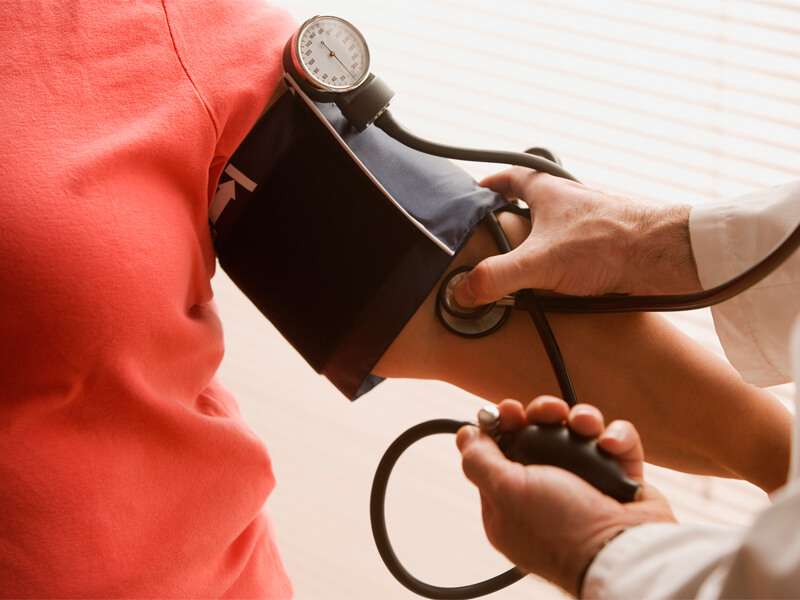
Asthma is a common respiratory condition that causes inflammation and narrowing of the airways. This results in difficulty breathing during episodes called asthma attacks.
- Common symptoms include wheezing, coughing (especially at night), chest tightness, and shortness of breath triggered by various factors like allergens or physical activity.
- A diagnosis usually involves medical history review along with lung function tests to assess airflow limitations.
- Treatment focuses on avoiding triggers and using medications like inhalers—both relievers for immediate symptoms and controllers for long-term management.
- Regular follow-ups are important to adjust treatment plans based on lung function tests or symptoms experienced over time.
Mild asthma cases can often be controlled without constant medication; however, ongoing monitoring is essential for all patients affected by this condition.
DIABETES MELLITUS

Diabetes Mellitus is a chronic condition characterized by elevated blood sugar levels. It primarily occurs due to the body's inability to produce sufficient insulin or use it effectively.
- The most common symptoms include frequent urination, excessive thirst, fatigue, and blurred vision.
- Diagnosis typically involves fasting blood glucose tests and hemoglobin A1c tests to determine average blood sugar levels over time.
- Management includes dietary changes, physical exercise, keeping track of glucose levels, and potentially insulin therapy or oral medications depending on the type of diabetes.
- Routine check-ups are crucial for monitoring potential complications such as neuropathy or retinopathy associated with prolonged high glucose levels.
A proactive approach helps many manage diabetes efficiently and maintain a good quality of life.
HYPERTENSION
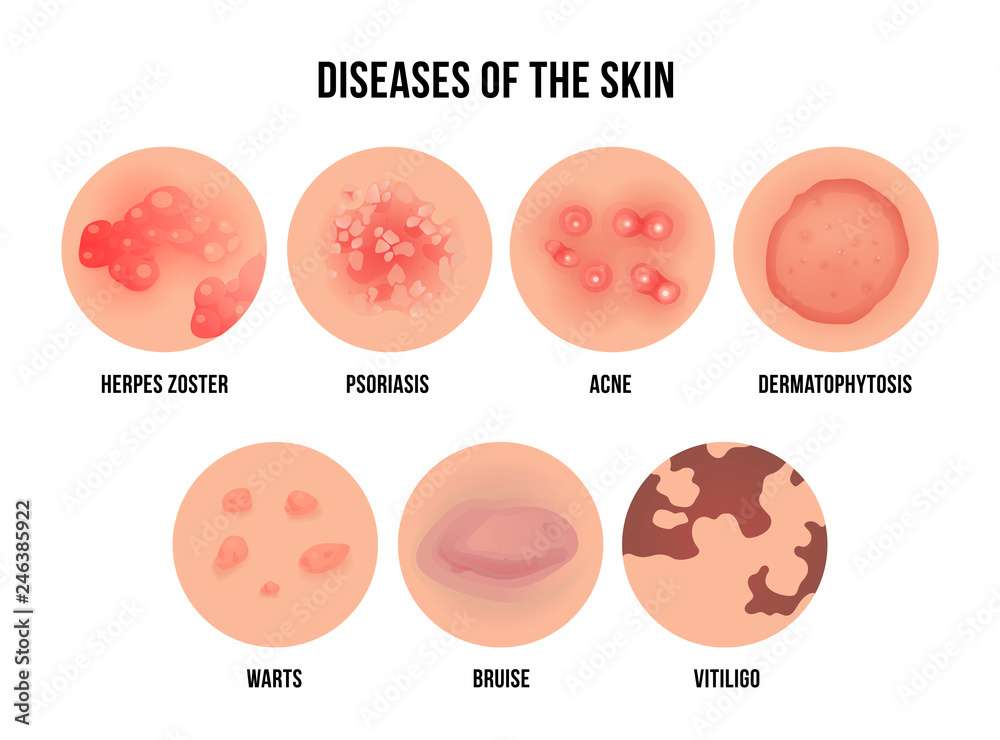
Hypertension, commonly referred to as high blood pressure, is a condition that affects millions of individuals worldwide. It can lead to serious health complications if not managed properly.
- Symptoms may include headaches, dizziness, and shortness of breath, though many people experience no visible symptoms.
- The condition is diagnosed through regular blood pressure readings, typically during routine check-ups.
- Treatment options include lifestyle changes such as diet alterations, increased physical activity, and in some cases, medication to control blood pressure levels.
- Regular monitoring and follow-up are essential for effective management to prevent long-term complications such as heart disease or stroke.
- Patients should aim for a healthy lifestyle and adhere to prescribed treatments closely.
With proper management, individuals with hypertension can maintain a healthy life while managing their condition effectively.