
DrKM Garg MS
About Me
DrKM Garg MS
MD
Cardiologist
Biography
My Clinic
OPD Hours
| Monday | Morning | 10:00 AM | - | 02:00 PM |
| Evening | 06:00 PM | - | 09:00 PM | |
| Tuesday | Morning | 10:00 AM | - | 02:00 PM |
| Evening | 06:00 PM | - | 09:00 PM | |
| Wednesday | Morning | 10:00 AM | - | 02:00 PM |
| Evening | 06:00 PM | - | 09:00 PM | |
| Thursday | Morning | 10:00 AM | - | 02:00 PM |
| Evening | 06:00 PM | - | 09:00 PM | |
| Friday | Morning | 10:00 AM | - | 02:00 PM |
| Evening | 06:00 PM | - | 09:00 PM | |
| Saturday | Morning | 10:00 AM | - | 02:00 PM |
| Evening | 06:00 PM | - | 09:00 PM | |
| Sunday | Morning | 10:00 AM | - | 02:00 PM |
| Evening | 06:00 PM | - | 09:00 PM |
Treatments
Specialised care and treatments offered
VALVULAR HEART DISEASE MANAGEMENT

This disorder involves damage or defect in one of the four heart valves leading potentially severe complications due to impaired blood flow through the heart chambers. Understanding this condition's nature is essential for timely intervention.'
CORONARY ARTERY DISEASE TREATMENT
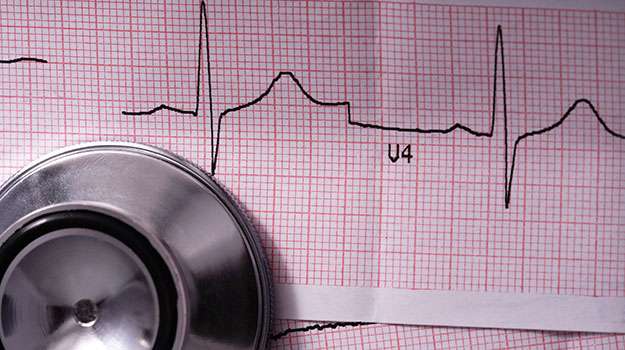
This prevalent heart disease occurs when coronary arteries supplying blood to the heart become narrowed or blocked due to plaque buildup. Left unchecked, it poses risks for serious cardiac events such as heart attacks.
- Symptoms may include chest pain or discomfort during activities but sometimes this condition remains symptomless until a critical event occurs.
- A cardiologist typically diagnoses this ailment through stress tests or angiograms highlighting arterial blockages' extent .. Treatment options often involve lifestyle modifications alongside medications aimed at controlling cholesterol and blood pressure levels. Your doctor might recommend interventions like angioplasty in advanced cases where urgent restoration of blood flow is necessary...
CHOLESTEROL MANAGEMENT
Elevated cholesterol levels are a significant risk factor for heart disease. Identifying and managing this issue early on is vital for maintaining cardiovascular health throughout one's life span.
- The condition usually presents no symptoms; hence regular screening is essential for detection.
- A lipid panel test is performed to assess total cholesterol levels along with LDL (bad) and HDL (good) cholesterols' ratios in the blood.
- Lifestyle changes like diet modification focusing on healthy fats and regular physical activity form the cornerstone of treatment alongside possible medication interventions like statins if necessary.
Effective management of cholesterol levels contributes greatly to reducing future cardiovascular complications and ensuring longevity.
ARRHYTHMIA MANAGEMENT
An arrhythmia refers to an irregular heartbeat that can affect how efficiently the heart pumps blood. This condition may manifest in different ways depending on its type and severity.
- Patients might notice symptoms such as palpitations, dizziness, or even fainting spells.
- The diagnosis usually requires an electrocardiogram (ECG) to record the heart's electrical activity for further evaluation.
- Treatment strategies range from medications that regulate heart rhythm to lifestyle adjustments aimed at reducing triggers like caffeine intake.
- In some instances, procedures such as catheter ablation may be recommended to correct the rhythm directly.
With appropriate management plans in place, individuals with arrhythmias can lead active lives while minimizing risks associated with their condition.
HEART FAILURE TREATMENT
Heart failure is a serious condition where the heart cannot pump enough blood to meet the body's needs. This can result from various underlying issues such as coronary artery disease or high blood pressure.
- Patients may experience symptoms like fatigue, swollen legs, and rapid heartbeat.
- A diagnosis often involves physical exams, blood tests, and imaging techniques like echocardiograms to assess heart function.
- Treatment might include medications like beta-blockers or ACE inhibitors as well as lifestyle modifications such as dietary changes.
- In more severe cases, devices like pacemakers or surgical procedures may be necessary for better management.
A comprehensive approach to treatment can help stabilize the condition and improve overall health outcomes.
HYPERTENSION MANAGEMENT
Hypertension, or high blood pressure, is a common condition that often develops over many years. It can lead to serious health issues if left untreated, including heart disease and stroke.
- Symptoms may include headaches, shortness of breath, and nosebleeds, though it can also be asymptomatic.
- This condition is typically diagnosed through regular blood pressure checks during routine medical visits.
- Treatment options include lifestyle changes such as improved diet and exercise as well as medications like diuretics or ACE inhibitors.
- Managing stress through mindfulness and therapy can also play an essential role in treatment.
- Regular follow-ups are crucial to monitor blood pressure levels and medication effectiveness.
Proper management of hypertension can significantly reduce risks of cardiovascular events and improve quality of life.