
DrKrishna Hari S
About Me
DrKrishna Hari S
MS
Orthopaedic Surgeons
10 Years Experience
Biography
My Clinic
OPD Hours
| Monday | Morning | 10:00 AM | - | 02:00 PM |
| Evening | 06:00 PM | - | 09:00 PM | |
| Tuesday | Morning | 10:00 AM | - | 02:00 PM |
| Evening | 06:00 PM | - | 09:00 PM | |
| Wednesday | Morning | 10:00 AM | - | 02:00 PM |
| Evening | 06:00 PM | - | 09:00 PM | |
| Thursday | Morning | 10:00 AM | - | 02:00 PM |
| Evening | 06:00 PM | - | 09:00 PM | |
| Friday | Morning | 10:00 AM | - | 02:00 PM |
| Evening | 06:00 PM | - | 09:00 PM | |
| Saturday | Morning | 10:00 AM | - | 02:00 PM |
| Evening | 06:00 PM | - | 09:00 PM | |
| Sunday | Morning | 10:00 AM | - | 02:00 PM |
| Evening | 06:00 PM | - | 09:00 PM |
Treatments
Specialised care and treatments offered
CARPAL TUNNEL SYNDROME
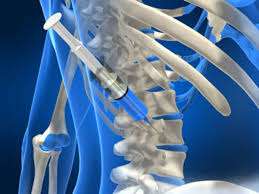
This syndrome occurs when pressure on the median nerve causes numbness and tingling in the hand/forearm leading not just to discomfort but affecting functional abilities too.A common cause among individuals performing repetitive wrist motions like typing,making it important for timely identification/management strategies!
- S ymptoms :Numbness/Tingling sensations predominantly felt across thumb,index/middle fingers—often worse at night/time spent resting positions .
- C auses :A variety of factors including repetitive usage & pre-existing rheumatic diseases concerns might contribute further exacerbation issues here!
- D iagnosis :A thorough clinical evaluation supported by EMG testing will help ascertain severity recognized—guiding treatment decisions effectively towards next steps taken!
Aiming primarily at symptom relief through non-invasive methods initially while educating patients subsequently about preventative measures empowers them greatly moving forward!
TENDONITIS
Tendonitis refers to inflammation of a tendon near a joint. This condition often results from repetitive motion or overuse and can affect various areas including shoulders (rotator cuff), elbows (tennis elbow), knees (jumper's knee), etc., limiting daily activities significantly.
- Symptoms : Pain localized around joints during movement ; tenderness with swelling might be present .
- Causes : Overuse during sporting activities or awkward movements over time .
- Diagnosis : >Physical assessments coupled with patient history plus imaging recommendations help establish clarity on conditions involving tendon damage .
- Treatment Options : Initially employing conservative approaches like ice therapy; progress towards anti-inflammatory medications could be needed alongside specific exercises & stretches focused on strengthening areas involved. >
The focus remains on restoring functionality whilst decreasing discomfort enabling an eventual return towards normalcy within regular routines .
SHOULDER IMPINGEMENT SYNDROME

This condition arises when shoulder tendons are intermittently trapped underneath the bony area of the shoulder joint. Overhead activities can exacerbate symptoms due to repeated friction on surrounding structures.
:- :
- :Symptoms:pain while lifting arms overhead,pain radiating down arm ,or weakness in arm:
- : : Causes : repetitive motion of shoulder ,age related changes ,or acute shoulder injury .:
- : Diagnosis : involves patient history examination plus imaging tests like ultrasound.
:- : Treatment options : (rest ,physical therapy),medication ,and possibly arthroscopic decompression .
:- Outlook : appropriate treatment usually leads symptom improvement.
With correct management ,most patients experience relief from discomfort in daily activities .
SPORTS INJURIES

Sports injuries are common occurrences among athletes of all ages. These injuries can impact bones, muscles, ligaments, or tendons and vary widely in severity. Understanding their nature is key to effective management.
- Symptoms: Common signs include sudden pain during activity, swelling around joints or muscles, tenderness at touch, or impaired function of the injured area.
- Causes: They typically arise from excessive force on the body during sports activities or insufficient conditioning before participation.
- Diagnosis:
FRACTURE MANAGEMENT

A fracture is a break in the bone that can occur due to trauma or stress. The severity ranges from hairline cracks to complete breaks requiring surgical intervention. Timely treatment is crucial for optimal healing.
- Symptoms: Symptoms often include intense pain at the injury site, swelling, bruising, or inability to use the affected limb.
- Diagnosis: A thorough clinical assessment paired with imaging studies such as X-rays helps confirm the fracture type and location.
- Treatment Options: Treatment may involve immobilization with casts or splints; severe cases might necessitate surgical procedures like internal fixation.
- Post-care: Rehabilitation through physical therapy supports recovery by restoring movement and strength after healing.
If treated promptly and properly, most fractures can heal effectively with minimal complications.
OSTEOARTHRITIS

Osteoarthritis is a degenerative joint disease that commonly affects the elderly, though it can manifest in younger individuals as well. It occurs when the cartilage cushioning the joints wears down over time, leading to pain, stiffness, and reduced mobility.
- Symptoms: Common symptoms include joint pain, swelling, and decreased flexibility, often worsening with activity.
- Causes: Factors such as age, obesity, previous joint injuries, and genetic predisposition can contribute to its development.
- Diagnosis: Diagnosis typically involves a physical examination, imaging tests like X-rays or MRIs, and assessing patient history.
- Treatment Options: Management may include physical therapy, medication for pain relief, corticosteroid injections, and even surgical interventions if necessary.
- Management: Lifestyle modifications such as weight loss and exercise are also crucial for long-term management of symptoms.
Understanding osteoarthritis is essential in taking early steps for preventive care and effective management strategies.