
DrMahesh Goyal
About Me
DrMahesh Goyal
MD
Internal Medicine
10 Years Experience
Biography
My Clinic
OPD Hours
| Monday | Morning | 10:00 AM | - | 02:00 PM |
| Evening | 06:00 PM | - | 09:00 PM | |
| Tuesday | Morning | 10:00 AM | - | 02:00 PM |
| Evening | 06:00 PM | - | 09:00 PM | |
| Wednesday | Morning | 10:00 AM | - | 02:00 PM |
| Evening | 06:00 PM | - | 09:00 PM | |
| Thursday | Morning | 10:00 AM | - | 02:00 PM |
| Evening | 06:00 PM | - | 09:00 PM | |
| Friday | Morning | 10:00 AM | - | 02:00 PM |
| Evening | 06:00 PM | - | 09:00 PM | |
| Saturday | Morning | 10:00 AM | - | 02:00 PM |
| Evening | 06:00 PM | - | 09:00 PM | |
| Sunday | Morning | 10:00 AM | - | 02:00 PM |
| Evening | 06:00 PM | - | 09:00 PM |
Treatments
Specialised care and treatments offered
OBESITY COUNSELING AND MANAGEMENT
Tackling excess weight through counseling facilitates improved overall health outcomes by addressing numerous associated risks. Structured weight management programs offer sustainable results over time.
- Causes :Involves imbalances between caloric intake/expenditure influenced by genetic predisposition , environment , behavioral factors .
- Assessment :Body mass index (BMI) calculation alongside waist circumference measurement determines degree of obesity .
- Intervention :Includes nutritional guidance , physical activity enhancement , behavioral therapy plus pharmacologic options if required .
- Expected benefits :Weight reduction lowers risks related to diabetes , hypertension , joint disorders enhancing overall wellbeing .
Comprehensive approaches backed by professional support maximize the likelihood of achieving meaningful long-term weight control goals .
CHRONIC KIDNEY DISEASE MONITORING
Kidney function monitoring is critical for patients who may be at risk of developing chronic kidney disease (CKD). Early detection allows interventions that slow progression effectively.
- Main causes: Diabetes and hypertension remain leading contributors to CKD development worldwide.
- Diagnostic tools: Blood tests measuring creatinine & estimated glomerular filtration rate (eGFR) coupled with urine protein evaluation assist diagnosis and staging of CKD severity.
- Treatment plans: Focus on controlling underlying illnesses plus dietary modifications aimed at preserving kidney function longer term .
- Follow-up :Regular lab testing guides therapy adjustments preventing further renal impairment .
Early identification supported by continuous monitoring considerably improves quality of life by delaying need for dialysis or transplantation .
INFLUENZA VACCINATION
The flu vaccine is a key preventive tool designed to minimize the severity and spread of seasonal influenza infections. Immunization contributes significantly to public health safety each year.
- Basis for vaccination: Targets virus strains predicted to circulate during flu season to reduce illness incidence.
- Candidates for immunization: Recommended broadly including older adults, chronic condition patients, healthcare workers for protection against flu complications.
- Efficacy and safety: Generally safe with mild side effects; effectiveness varies but greatly decreases hospitalization risk among recipients.
- Treatment considerations: Does not treat active infection but prevents future ones; annual administration needed due to changing virus patterns.
Pursuing yearly influenza vaccination remains an important measure in maintaining individual resilience against viral respiratory diseases.
CHOLESTEROL LEVEL ASSESSMENT
Lipid profile testing is an essential preventive measure aimed at reducing cardiovascular risks. Managing cholesterol levels supports heart health substantially.
- Causative factors: High saturated fats intake, sedentary behavior, genetics can elevate cholesterol.
- Diagnostic process: Blood samples assess LDL (bad), HDL (good), triglycerides providing a full lipid profile snapshot.
- Treatment approaches: Dietary adjustments focusing on reduced fat intake alongside statin therapy when needed help normalize values.
- Lifestyle impact: Regular aerobic exercise aids in maintaining healthy cholesterol numbers over time.
A proactive stance in assessing lipids regularly enables personalized interventions that safeguard cardiovascular function effectively.
DIABETES MELLITUS SCREENING
Detecting diabetes early through screening can dramatically improve outcomes. It allows timely intervention before symptoms develop significantly.
- Risk factors: Increased age, obesity, family history, and sedentary lifestyle heighten diabetes risk.
- Screening methods: Blood tests such as fasting glucose or HbA1c provide reliable indicators for diagnosis.
- Management after detection: Incorporates blood sugar monitoring, dietary changes, physical activity, and possible medication use.
- Expected progression: Early identification helps prevent complications including kidney damage and neuropathy by implementing prompt treatment strategies.
An emphasis on routine screenings plays a vital role in curbing the impact of diabetes in susceptible populations.
HYPERTENSION MANAGEMENT
High blood pressure is a common health issue that can lead to serious complications if left unchecked. Understanding how to control it effectively is crucial for maintaining long-term health.
- Symptoms and causes: Often called the 'silent killer,' hypertension may not show symptoms but can result from genetics, lifestyle, or other medical conditions.
- Diagnosis: Regular blood pressure measurements using a cuff device confirm high readings over multiple visits.
- Treatment options: Lifestyle changes such as diet modification, exercise, and medications like ACE inhibitors help manage elevated blood pressure levels.
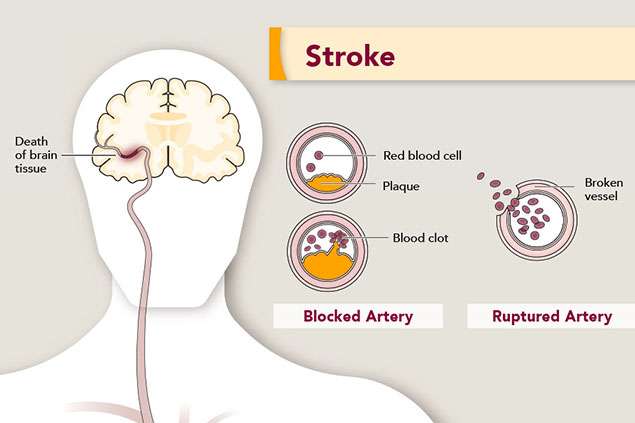
- Monitoring: Ongoing check-ups are necessary to adjust therapy and prevent complications such as heart disease or stroke.
A well-structured approach combining awareness, lifestyle adaptation, and medication adherence often enables effective control of high blood pressure.