
DrMahesh Kulhari
About Me
DrMahesh Kulhari
MD
Pulmonologist
10 Years Experience
Biography
My Clinic
OPD Hours
| Monday | Morning | 10:00 AM | - | 02:00 PM |
| Evening | 06:00 PM | - | 09:00 PM | |
| Tuesday | Morning | 10:00 AM | - | 02:00 PM |
| Evening | 06:00 PM | - | 09:00 PM | |
| Wednesday | Morning | 10:00 AM | - | 02:00 PM |
| Evening | 06:00 PM | - | 09:00 PM | |
| Thursday | Morning | 10:00 AM | - | 02:00 PM |
| Evening | 06:00 PM | - | 09:00 PM | |
| Friday | Morning | 10:00 AM | - | 02:00 PM |
| Evening | 06:00 PM | - | 09:00 PM | |
| Saturday | Morning | 10:00 AM | - | 02:00 PM |
| Evening | 06:00 PM | - | 09:00 PM | |
| Sunday | Morning | 10:00 AM | - | 02:00 PM |
| Evening | 06:00 PM | - | 09:00 PM |
Treatments
Specialised care and treatments offered
ASTHMA MANAGEMENT PLANS
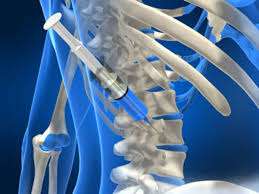
A comprehensive asthma management plan helps patients control symptoms effectively while reducing risk factors associated with attacks. Asthma affects millions globally yet can be managed successfully through informed strategies tailored to individual needs.
- Symptoms usually fluctuate between coughing, wheezing episodes especially at night & morning & difficulty breathing triggered by allergens or physical exertion; understanding personal triggers plays an important role in tailored guidance
- Diagnosis begins with clinical evaluation correlating history & physical examination findings along with pulmonary function tests (spirometry) establishing severity levels
- Treatment protocols involve pharmacological approaches using inhalers combined with preventative measures alongside addressing environmental factors causing allergies
- Educational components ensure patients recognize early warning signs allowing proactive interventions avoiding exacerbations
An individual-centric asthma action plan enhances overall outcomes significantly fostering well-being amongst affected individuals whilst guaranteeing feasible access support mechanisms when required
TUBERCULOSIS MANAGEMENT

Tuberculosis (TB) remains a significant public health challenge impacting millions worldwide. The disease primarily affects the lungs but can also spread to other organs if untreated. Early detection plays a critical role in effective management and control of this infectious disease.
- Main symptoms include chronic cough with blood-tinged sputum, fever, night sweats, and unintended weight loss; TB is caused by Mycobacterium tuberculosis bacteria primarily spread through airborne transmission from infected individuals.
- A combination of skin tests (e.g., PPD), blood tests (e.g., IGRA), followed by chest radiography assists healthcare providers in confirming TB diagnoses accurately.
- The standard treatment involves long-term antibiotic regimens requiring close adherence over several months; this ensures complete eradication of bacteria while minimizing resistance development risks.
Counseling on medication adherence is vital in ensuring successful outcomes.
Timely intervention can greatly reduce complications related to TB while protecting public health at large through effective contact tracing measures
SLEEP APNEA TREATMENT

Sleep apnea is a serious sleep disorder characterized by repeated interruptions in breathing throughout sleep. Proper diagnosis and management are essential to ensure adequate rest and prevent associated health risks like cardiovascular problems.
- Common symptoms include loud snoring, gasping during sleep, daytime fatigue, and morning headaches; factors at play often include obesity and anatomical constraints within the airway.
- Diagnosis typically involves overnight polysomnography (sleep study) which records various physiological parameters while you sleep.
- Treatment options range from lifestyle changes like weight loss to medical interventions including CPAP machines that maintain open airways during sleep events.
- Mild cases might only require positional therapy while more severe instances necessitate continuous positive airway pressure therapy for effective management.
Selecting an appropriate treatment plan will drastically improve sleep quality and overall health outcomes for individuals affected by this condition.
LUNG BIOPSY

A lung biopsy is a diagnostic procedure used to remove a small sample of lung tissue for laboratory analysis. This is essential in determining if there are any abnormal cells present that could indicate serious conditions such as infections or cancer.
- Indications for this procedure often include persistent cough, unexplained weight loss, or abnormal imaging findings on chest X-rays.
- The diagnosis typically starts with thorough clinical evaluation followed by imaging studies that guide biopsy technique selection.
- Biopsies can be performed using various methods including bronchoscopic techniques or needle aspiration approaches based on patient specifics.
- Post-biopsy care usually involves monitoring for complications such as bleeding or infection; recovery time varies among individuals but is generally straightforward.
Lung biopsies serve a vital role in accurately diagnosing pulmonary disorders and crafting effective treatment strategies based on histological findings.
PLEURAL EFFUSION DRAINAGE

Pleural effusion occurs when excess fluid accumulates between the layers of tissue lining the lungs and chest cavity. This condition can lead to breathing difficulties and requires timely management.
- Symptoms may include chest pain, cough, and difficulty breathing; causes range from pneumonia to heart failure or malignancies.
- A physician may order imaging tests such as chest ultrasound or chest X-ray to confirm diagnosis before proceeding with drainage.
- Treatment often involves thoracentesis, where a needle is used to remove fluid for relief and diagnostic purposes.
- Patients should be aware that while some may experience immediate relief post-procedure, others may require further interventions depending on underlying causes.
Successful management of pleural effusion can significantly enhance quality of life by improving lung function and alleviating discomfort.
BRONCHOSCOPY

Bronchoscopy is a minimally invasive procedure that allows doctors to examine the airways and diagnose conditions affecting the lungs. It involves the use of a thin, flexible tube known as a bronchoscope, which is inserted through the nose or mouth and into the lungs.
- Common symptoms leading to bronchoscopy include persistent cough, unexplained shortness of breath, and abnormal lung imaging results.
- This procedure is typically diagnosed through imaging tests such as X-rays or CT scans prior to performing bronchoscopy.
- Management may involve biopsy for further analysis, removal of obstructions, or treatment of infections found during the examination.
- Patients can expect sedation during the procedure and minimal discomfort afterward, with recovery time often being brief.
The information gathered during bronchoscopy can be crucial for determining an effective treatment plan tailored to specific pulmonary issues.
FAQs
Are follow-up appointments necessary?
What lifestyle changes can help manage my lung condition?
What causes frequent bronchitis episodes?
'Can smoking cessation reverse lung damage?'
Early intervention coupled with guidance develops personalized living styles promoting optimal functionality aiding overall wellness tremendously perceptible even amid past behaviors.'