
DrMohd Izhar
About Me
DrMohd Izhar
MBBS
Podiatrist
10 Years Experience
Biography
My Clinic
OPD Hours
| Monday | Morning | 10:00 AM | - | 02:00 PM |
| Evening | 06:00 PM | - | 09:00 PM | |
| Tuesday | Morning | 10:00 AM | - | 02:00 PM |
| Evening | 06:00 PM | - | 09:00 PM | |
| Wednesday | Morning | 10:00 AM | - | 02:00 PM |
| Evening | 06:00 PM | - | 09:00 PM | |
| Thursday | Morning | 10:00 AM | - | 02:00 PM |
| Evening | 06:00 PM | - | 09:00 PM | |
| Friday | Morning | 10:00 AM | - | 02:00 PM |
| Evening | 06:00 PM | - | 09:00 PM | |
| Saturday | Morning | 10:00 AM | - | 02:00 PM |
| Evening | 06:00 PM | - | 09:00 PM | |
| Sunday | Morning | 10:00 AM | - | 02:00 PM |
| Evening | 06:00 PM | - | 09:00 PM |
Treatments
Specialised care and treatments offered
FLATFOOT ORTHOTIC MANAGEMENT
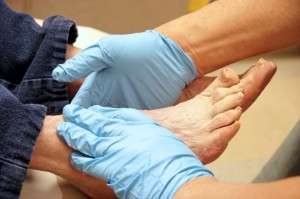
The condition known as flatfoot involves a lowered or collapsed arch which can lead to foot fatigue and pain during prolonged standing or walking. Supportive care plays a key role in symptom relief.
- Symptoms/causes: Aching feet especially along inside margin;< br />may develop from ligament laxity,
muscle weakness,
or structural abnormalities. - Diagnosis: Physical examination noting arch height combined with gait analysis;< br />imaging may confirm diagnosis.
- Treatment/management: Custom-made orthotic insoles support arches helping redistribute weight evenly;< br />physical therapy strengthens supporting muscles;< br />proper footwear selection is advised.
- What to expect: Patient experiences improved comfort during activity;< br />long-term use prevents progression
and related complications.
Addressing flatfoot early facilitates better mobility,
reduces discomfort,
and supports overall foot health effectively.
DIABETIC FOOT ULCER CARE
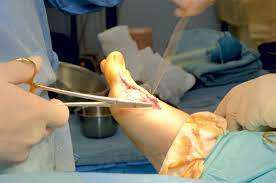
A diabetic foot ulcer is an open sore or wound occurring commonly in individuals with diabetes due to nerve damage and poor circulation. Proper management is crucial to prevent infection and promote healing.
- Symptoms/causes: Open lesion typically on soles or toes;
- Results from neuropathy-related lack of sensation combined with pressure points.
- Diagnosis: Regular foot examinations including visual assessment and measurement of wound size/depth.
- Treatment/management: Includes wound cleaning/dressing changes, offloading pressure using specialized footwear/devices,< br />infection control with antibiotics if needed,< br />and monitoring blood glucose levels.
- What to expect: Healing may take weeks
to months depending on ulcer severity;< br />consistent care prevents complications such as cellulitis or amputation.
Early intervention enhances recovery chances while maintaining overall foot health through vigilant monitoring.
WART REMOVAL ON FEET
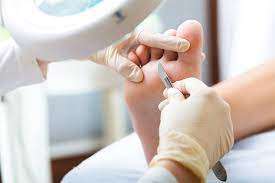
Plantar warts are small growths caused by human papillomavirus (HPV) infection on weight-bearing areas of feet. They can cause discomfort while walking due to pressure against them.
- Symptoms/causes: Rough-textured lesions with tiny black dots (clotted blood vessels); transmission occurs via direct contact with HPV in moist environments like pools or locker rooms.
- Diagnosis: Visual inspection by a specialist distinguishes warts from other skin conditions affecting feet.
- Treatment/management: Options include topical salicylic acid treatments, cryotherapy using liquid nitrogen, or laser therapy targeting wart tissue for faster resolution.
- What to expect: Multiple sessions might be needed; treated areas heal gradually leaving smoother skin behind once cleared completely.
A timely approach helps limit spread and reduces discomfort caused by plantar warts effectively over time.
BUNIONS (HALLUX VALGUS) CORRECTION
Bunions are bony bumps forming at the base of the big toe due to joint misalignment. This deformity can cause discomfort and difficulty wearing shoes comfortably.
- Symptoms/causes: Visible bump on side of big toe, redness, swelling; often hereditary but aggravated by tight-fitting shoes or high heels.
- Diagnosis: Clinical evaluation supported by X-rays to assess severity and joint alignment.
- Treatment/management: Non-surgical options include shoe modifications and padding; minimally invasive procedures performed under local anesthesia can realign bones with less downtime than traditional surgery.
- What to expect: Post-procedure comfort improves progressively; patients usually resume normal activities within weeks depending on treatment extent.
Evolving treatment options provide effective relief while minimizing recovery time and preserving foot function.
PLANTAR FASCIITIS THERAPY
Plantar fasciitis is an inflammation of the thick band of tissue along the bottom of the foot that connects the heel bone to the toes. It often causes stabbing heel pain that worsens in the morning or after periods of inactivity.
- Symptoms/causes: Sharp heel pain; linked to overuse, flat feet, obesity, or improper footwear.
- Diagnosis: Based on clinical history and physical exam focusing on tenderness at the heel; imaging may be used to rule out other issues.
- Treatment/management: Includes stretching exercises, orthotic devices, ice application, anti-inflammatory medications, and sometimes corticosteroid injections in more severe cases.
- What to expect: Gradual improvement over weeks to months; adherence to therapy is key for sustained relief.
A structured approach combining rest and targeted therapies can significantly improve symptoms over time.
INGROWN TOENAIL TREATMENT
Ingrown toenails occur when the edges of the nail grow into the surrounding skin, causing pain and discomfort. This condition can affect daily activities and may lead to infection if left untreated.
- Symptoms/causes: Pain, swelling, redness around the nail edge; often caused by improper nail trimming, tight footwear, or injury.
- Diagnosis: Physical examination of the toe and affected nail area by a healthcare professional.
- Treatment/management: Conservative methods include soaking the foot and wearing open-toed shoes; for persistent cases, minor surgical procedures to remove part or all of the ingrown nail under local anesthesia are effective.
- What to expect: Relief from pain after treatment; healing time varies but usually completes within a few weeks with proper care and follow-up.
This condition is manageable with prompt attention and appropriate interventions to reduce discomfort and prevent recurrence.