
Drmujib Khan
About Me
Drmujib Khan
MBBS
General Physician
10 Years Experience
Biography
My Clinic
OPD Hours
| Monday | Morning | 10:00 AM | - | 02:00 PM |
| Evening | 06:00 PM | - | 09:00 PM | |
| Tuesday | Morning | 10:00 AM | - | 02:00 PM |
| Evening | 06:00 PM | - | 09:00 PM | |
| Wednesday | Morning | 10:00 AM | - | 02:00 PM |
| Evening | 06:00 PM | - | 09:00 PM | |
| Thursday | Morning | 10:00 AM | - | 02:00 PM |
| Evening | 06:00 PM | - | 09:00 PM | |
| Friday | Morning | 10:00 AM | - | 02:00 PM |
| Evening | 06:00 PM | - | 09:00 PM | |
| Saturday | Morning | 10:00 AM | - | 02:00 PM |
| Evening | 06:00 PM | - | 09:00 PM | |
| Sunday | Morning | 10:00 AM | - | 02:00 PM |
| Evening | 06:00 PM | - | 09:00 PM |
Treatments
Specialised care and treatments offered
SKIN INFECTIONS
Skin infections are common ailments where bacteria infect the skin's surface or deeper layers. Recognizing the symptoms ensures timely treatment before complications arise!
ANEMIA

Anemia is characterized by a deficiency of red blood cells or hemoglobin in the body. It’s important to recognize its symptoms early as it can significantly impact overall health if untreated!
GASTROENTERITIS
Gastroenteritis, often referred to as stomach flu, causes inflammation of the stomach and intestines. This condition can lead to dehydration if not managed promptly.
- Symptoms: Individuals may experience diarrhea, vomiting, abdominal cramps, and fever among other symptoms.
- Causes: Most commonly caused by viral infections or contaminated food/water sources leading to infection.
- Diagnosis: Diagnosis typically involves discussing symptoms with a healthcare provider; labs might be needed only in severe cases for further investigation.
If treated appropriately early on, most individuals recover without complications within a few days.
ACUTE RESPIRATORY INFECTIONS
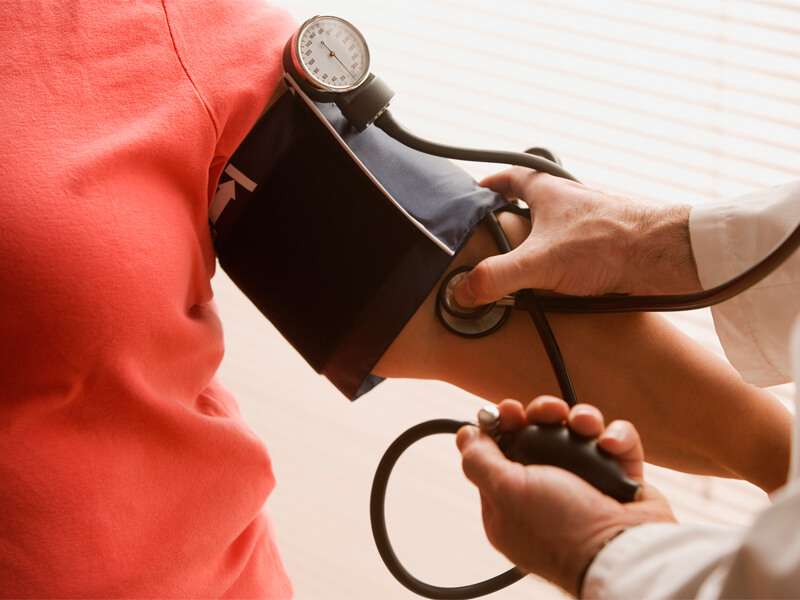
Acute Respiratory Infections (ARIs) represent a collection of conditions affecting the respiratory tract. They can vary from mild to severe and require prompt attention depending on severity.
- Symptoms: Common indicators include cough, sore throat, fever, and difficulty breathing in severe cases.
- Causes: ARIs can stem from viral or bacterial infections; common colds are typically viral while pneumonia could be bacterial.
- Diagnosis: A physical examination along with imaging tests like chest X-rays may be necessary for more serious conditions.
- Treatment Options: Typically involves rest, hydration; antibiotics may be needed for bacterial infections while antiviral medications could be prescribed for specific viral infections.
Early detection and treatment are crucial in preventing complications associated with ARIs.
DIABETES MELLITUS

Diabetes Mellitus encompasses a range of metabolic disorders characterized by high blood sugar levels. Understanding diabetes is essential for effective management and prevention of complications.
- Symptoms: Common signs include excessive thirst, frequent urination, fatigue, and blurred vision.
- Causes: Type 1 is autoimmune; Type 2 is linked to lifestyle factors such as diet and inactivity.
- Diagnosis: Blood tests including fasting glucose tests or HbA1c levels help confirm the diagnosis.
- Treatment: Options include insulin therapy for Type 1, oral medications for Type 2, alongside dietary changes and regular exercise.
- Monitoring: Continuous blood sugar monitoring is vital for managing diabetes effectively.
A proactive approach can help manage diabetes effectively while minimizing potential complications.
HYPERTENSION
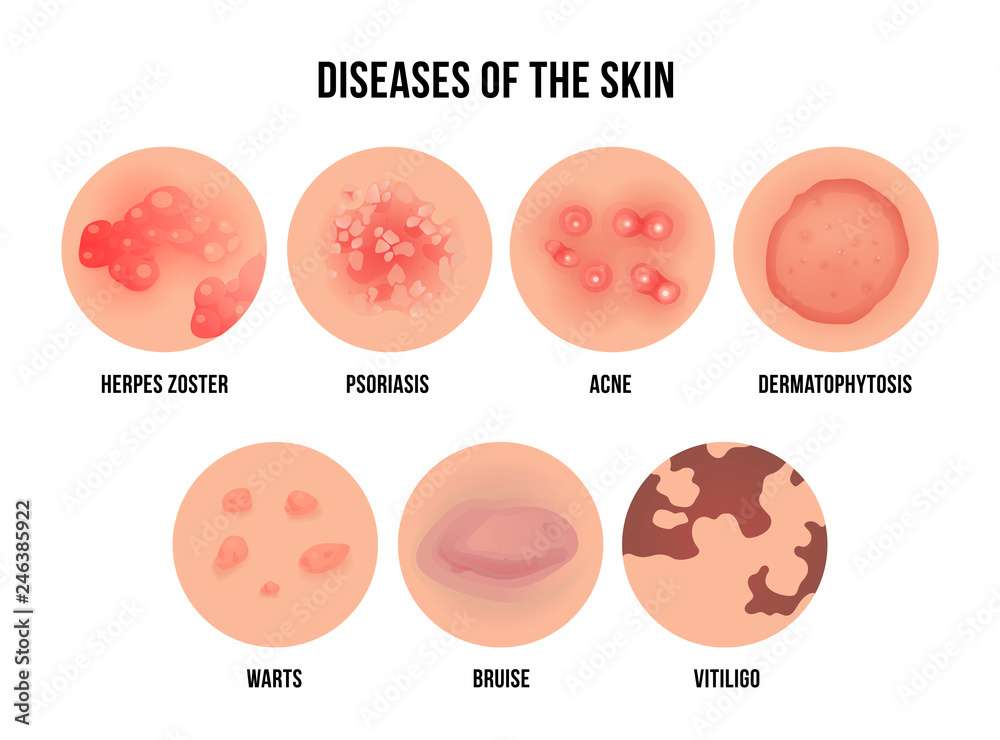
Hypertension, commonly known as high blood pressure, is a chronic condition that can lead to severe health complications if left unmanaged. It is essential to understand the underlying factors and management strategies for maintaining healthy blood pressure levels.
- Symptoms: Often asymptomatic, but may include headaches, dizziness, and nosebleeds in severe cases.
- Causes: Factors include obesity, high salt intake, lack of physical activity, and genetic predisposition.
- Diagnosis: Measured through blood pressure readings over multiple visits to establish a pattern.
- Treatment Options: Lifestyle modifications such as diet changes and exercise are crucial. Medications like diuretics or ACE inhibitors may also be prescribed.
- Management: Regular monitoring and lifestyle adjustments can significantly reduce risks associated with hypertension.
Successful management often requires patience and commitment to long-term health strategies.