
Drpavan singhal
About Me
Drpavan singhal
MBBS
Therapist
10 Years Experience
Biography
My Clinic
OPD Hours
| Monday | Morning | 10:00 AM | - | 02:00 PM |
| Evening | 06:00 PM | - | 09:00 PM | |
| Tuesday | Morning | 10:00 AM | - | 02:00 PM |
| Evening | 06:00 PM | - | 09:00 PM | |
| Wednesday | Morning | 10:00 AM | - | 02:00 PM |
| Evening | 06:00 PM | - | 09:00 PM | |
| Thursday | Morning | 10:00 AM | - | 02:00 PM |
| Evening | 06:00 PM | - | 09:00 PM | |
| Friday | Morning | 10:00 AM | - | 02:00 PM |
| Evening | 06:00 PM | - | 09:00 PM | |
| Saturday | Morning | 10:00 AM | - | 02:00 PM |
| Evening | 06:00 PM | - | 09:00 PM | |
| Sunday | Morning | 10:00 AM | - | 02:00 PM |
| Evening | 06:00 PM | - | 09:00 PM |
Treatments
Specialised care and treatments offered
MOTIVATIONAL INTERVIEWING
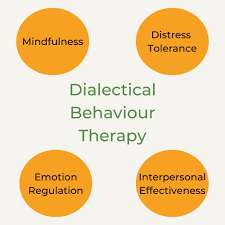
An evidence-based counseling style that assists people in resolving ambivalence towards behavior change. It's especially useful for encouraging healthy lifestyle choices or adherence to treatment plans without confrontation or pressure.
RELAXATION TECHNIQUES THERAPY
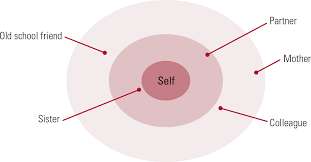
This therapeutic method teaches patients various relaxation exercises designed to reduce physiological tension caused by stress or anxiety disorders. These techniques promote calmness and balance within the nervous system.
- Causative symptoms addressed: Muscle tension, rapid heartbeat, difficulty concentrating often linked with chronic stress conditions.
INTERPERSONAL THERAPY (IPT)
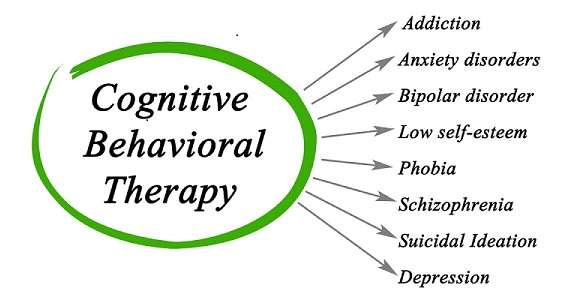
A short-term counseling approach aimed at improving interpersonal relationships that are affecting emotional well-being. It helps patients resolve communication issues contributing to distress.
- Main reasons/symptoms: Useful for depression linked with relationship conflicts or role transitions such as bereavement or job changes.
- Evaluation methods: Therapist assesses key relational problems impacting patient's mental health status.
- Treatment elements: Focuses on enhancing communication skills, managing disputes, and adapting to life changes effectively.
- Dynamics during therapy: Sessions emphasize understanding interpersonal patterns and developing new strategies for healthier connections.
The goal is to strengthen social support networks which can significantly influence recovery from psychological difficulties.
BEHAVIORAL ACTIVATION THERAPY
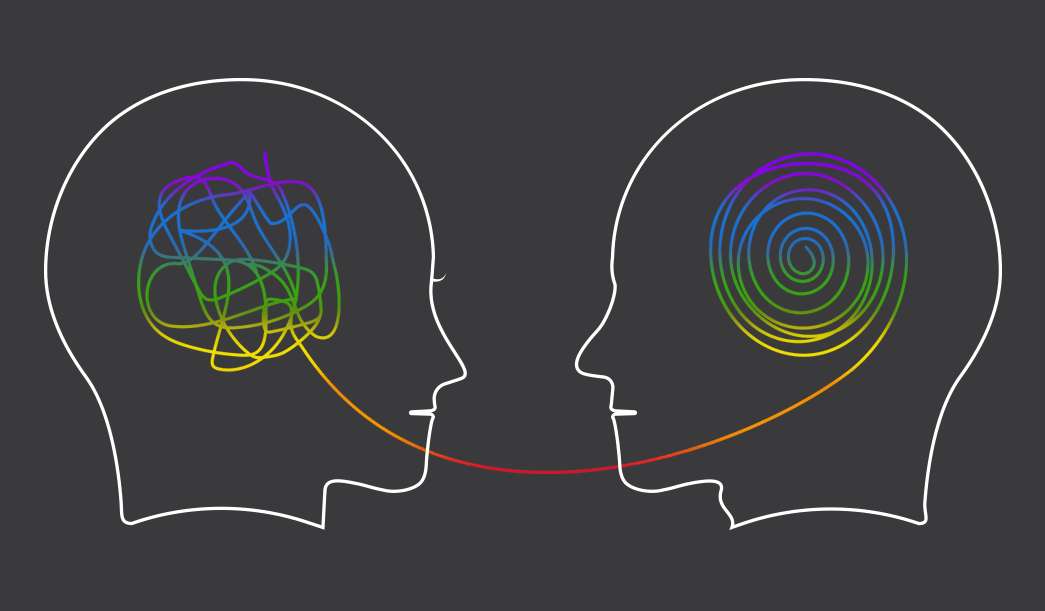
This therapy focuses on increasing engagement in meaningful activities to counteract depression’s tendency toward withdrawal and inactivity. It aims at boosting motivation through behavioral changes.
- Causal factors/symptoms: Primarily targets low mood, fatigue, and social isolation characteristic of depressive episodes.
- Diagnostics: Assessment identifies reduced participation in rewarding activities as a key contributor to symptoms.
- Treatment plan: Structured scheduling of pleasurable or necessary activities to enhance positive reinforcement experiences.
- Pacing: Starts with manageable goals gradually increasing involvement in social or occupational tasks.
- Projected results: Patients typically experience uplifted mood and better energy levels as engagement improves over time.
This straightforward method works by breaking the cycle of avoidance, fostering recovery through proactive behavior change.
MINDFULNESS-BASED STRESS REDUCTION (MBSR)
Mindfulness-Based Stress Reduction is a therapeutic approach centered on cultivating present-moment awareness. It helps reduce emotional distress by teaching patients how to accept their thoughts without judgment.
- Symptoms/causes: Commonly applied for chronic stress, anxiety, and pain management by improving emotional regulation.
- Diagnosis: Recommended after evaluating the impact of stress-related symptoms on daily functioning.
- Treatment/management: Includes guided mindfulness meditation practices and gentle yoga over an 8-week course.
- Practice: Encourages regular daily mindfulness exercises to build resilience against stress triggers.
- Outcomes: Patients learn tools to stay grounded during stressful moments, enhancing overall quality of life.
MBSR provides practical strategies that foster inner calm and improved awareness of body and mind connection.
COGNITIVE BEHAVIORAL THERAPY (CBT)
Cognitive Behavioral Therapy (CBT) is a widely used psychological treatment designed to help individuals manage a variety of mental health conditions. It focuses on identifying and changing negative thought patterns and behaviors.
- Symptoms/causes: Often used for anxiety, depression, and stress-related disorders by addressing distorted thinking.
- Diagnosis: Typically initiated after a clinical assessment highlights cognitive distortions contributing to emotional distress.
- Treatment/management: Involves structured sessions where patients learn skills to challenge and modify harmful thoughts and behaviors.
- Process: Usually includes homework assignments and skill-building exercises to reinforce progress outside therapy sessions.
- Expectations: Patients often notice gradual improvement in mood and coping abilities within weeks to months of consistent therapy.
This approach empowers individuals to develop healthier thinking habits that promote long-term mental wellbeing.