
DrPerv Mathur Be
About Me
DrPerv Mathur Be
MBBS
Therapist
10 Years Experience
Biography
My Clinic
OPD Hours
| Monday | Morning | 10:00 AM | - | 02:00 PM |
| Evening | 06:00 PM | - | 09:00 PM | |
| Tuesday | Morning | 10:00 AM | - | 02:00 PM |
| Evening | 06:00 PM | - | 09:00 PM | |
| Wednesday | Morning | 10:00 AM | - | 02:00 PM |
| Evening | 06:00 PM | - | 09:00 PM | |
| Thursday | Morning | 10:00 AM | - | 02:00 PM |
| Evening | 06:00 PM | - | 09:00 PM | |
| Friday | Morning | 10:00 AM | - | 02:00 PM |
| Evening | 06:00 PM | - | 09:00 PM | |
| Saturday | Morning | 10:00 AM | - | 02:00 PM |
| Evening | 06:00 PM | - | 09:00 PM | |
| Sunday | Morning | 10:00 AM | - | 02:00 PM |
| Evening | 06:00 PM | - | 09:00 PM |
Treatments
Specialised care and treatments offered
ACCEPTANCE COMMITMENT THERAPY (ACT)
The primary goal of Acceptance Commitment Therapy (ACT) is helping individuals accept unwanted thoughts while committing to behavior changes aligned with personal values. ACT blends mindfulness strategies with behavioral interventions tailored towards psychological flexibility enhancement.
- Treatable conditions include anxiety disorders, chronic pain syndromes, depression, and stress-related challenges.
- Diagnosis incorporates assessment of experiential avoidance patterns contributing to suffering.
- Therapy process emphasizes six core processes: acceptance, defusion from thoughts, present moment awareness, self-as-context, defining values, and committed action.
- Expected management outcomes involve improved engagement in meaningful activities despite distressing mental content.
ACT promotes living a fulfilling life by changing one's relationship toward painful experiences rather than attempting direct symptom elimination.
INTERPERSONAL THERAPY (IPT)
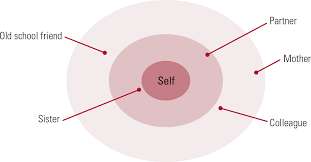
Interpersonal Therapy (IPT) addresses interpersonal issues that contribute to psychological distress. This time-limited therapy aims at improving relationship dynamics which often underpin mood disorders such as depression.
- Syndrome focus: IPT targets social role disputes, grief reactions, role transitions, or interpersonal deficits linked with symptomatic episodes.
- Eliciting diagnosis usage: Diagnosis involves identifying how interpersonal difficulties coincide with onset or exacerbation of mood symptoms through clinical interviews.`
HYPNOTHERAPY
Hypnotherapy uses guided relaxation, intense concentration, and focused attention to achieve a heightened state of awareness known as hypnosis. This technique assists in modifying psychological or physical conditions through subconscious suggestion.
- Common indications: Useful for anxiety reduction, pain management, habit control such as smoking cessation, and certain psychosomatic issues.
- Eliciting diagnosis: Evaluating patient suitability involves understanding psychological readiness and ruling out contraindications like severe psychiatric illness.
- Therapeutic process: Conducted by trained therapists who induce trance states to facilitate positive behavioral or perceptual changes.
- Treatment expectations: Sessions vary in number; effectiveness often depends on patient responsiveness to hypnosis techniques employed during treatment course.
This complementary therapy can enhance traditional approaches by tapping into the mind’s potential for healing through focused mental states safely under professional guidance.
DIALECTICAL BEHAVIOR THERAPY (DBT)
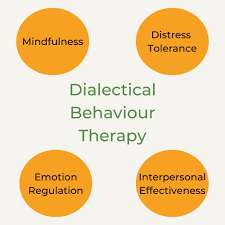
Dialectical Behavior Therapy (DBT) combines cognitive-behavioral methods with mindfulness practices to treat complex emotional disorders. It is especially effective for borderline personality disorder and self-harm behaviors.
- Main symptoms addressed: DBT focuses on emotional dysregulation, impulsive actions, and unstable interpersonal relationships.
- Diagnosis consideration: Assessment typically includes evaluating self-destructive tendencies alongside mood instability patterns.
- Treatment elements: DBT consists of individual therapy, group skills training, phone coaching, and therapist consultation teams for comprehensive care.
- The management focus: Emphasizes acceptance strategies balanced with behavior change techniques like distress tolerance and emotion regulation skills.
This multifaceted therapy equips patients with tools necessary for managing intense emotions while promoting healthier social interactions over time.
EYE MOVEMENT DESENSITIZATION AND REPROCESSING (EMDR)
Eye Movement Desensitization and Reprocessing (EMDR) is a specialized psychotherapy designed to alleviate distress associated with traumatic memories. It integrates elements of cognitive therapy with bilateral stimulation techniques.
- Symptoms targeted: EMDR is primarily used for post-traumatic stress disorder (PTSD) but can also help with anxiety and panic disorders.
- Diagnostic process: A thorough clinical interview assesses trauma history and symptoms severity to determine candidacy for EMDR.
- Treatment procedure: During sessions, patients recall distressing events while following guided eye movements or other bilateral stimuli facilitated by the therapist.
- Outcome goals: The method aims to reduce vividness and emotional impact of traumatic memories leading to symptom relief.
This technique offers hope for individuals struggling with persistent trauma by fostering adaptive information processing within safe therapeutic settings.
COGNITIVE BEHAVIORAL THERAPY (CBT)
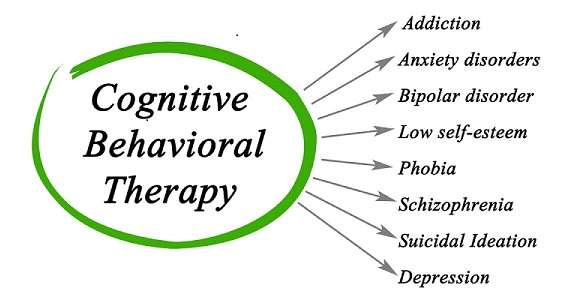
Cognitive Behavioral Therapy (CBT) is a widely used form of psychotherapy that focuses on identifying and modifying negative thought patterns to improve emotional regulation. It is effective for a variety of mental health conditions.
- Symptoms and causes: CBT targets disorders such as anxiety, depression, and phobias by addressing distorted thinking and behavioral responses.
- Diagnosis: Patients undergo psychological evaluation to determine the suitability of CBT based on their symptoms.
- Treatment approach: The therapy involves structured sessions where patients learn skills to challenge and change harmful thoughts and behaviors.
- Management: Techniques include homework assignments, cognitive restructuring, and exposure exercises tailored to individual needs.
- Expectations: Most patients see gradual improvement over several weeks; commitment to active participation enhances outcomes.
This therapy empowers individuals to better handle stressors by developing healthier cognitive frameworks, promoting long-term mental wellness.