
DrPK Sachan
About Me
DrPK Sachan
MBBS
Podiatrist
10 Years Experience
Biography
My Clinic
OPD Hours
| Monday | Morning | 10:00 AM | - | 02:00 PM |
| Evening | 06:00 PM | - | 09:00 PM | |
| Tuesday | Morning | 10:00 AM | - | 02:00 PM |
| Evening | 06:00 PM | - | 09:00 PM | |
| Wednesday | Morning | 10:00 AM | - | 02:00 PM |
| Evening | 06:00 PM | - | 09:00 PM | |
| Thursday | Morning | 10:00 AM | - | 02:00 PM |
| Evening | 06:00 PM | - | 09:00 PM | |
| Friday | Morning | 10:00 AM | - | 02:00 PM |
| Evening | 06:00 PM | - | 09:00 PM | |
| Saturday | Morning | 10:00 AM | - | 02:00 PM |
| Evening | 06:00 PM | - | 09:00 PM | |
| Sunday | Morning | 10:00 AM | - | 02:00 PM |
| Evening | 06:00 PM | - | 09:00 PM |
Treatments
Specialised care and treatments offered
HEEL SPURS
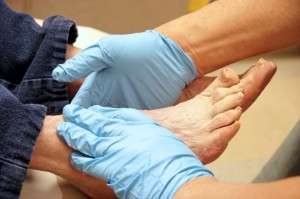
The development of heel spurs involves calcium deposits forming bony protrusions under the heel bone often associated with plantar fasciitis. These spurs themselves may not always cause pain but can contribute significantly when they irritate surrounding tissues.
- Etiology: Chronic strain on foot muscles/ligaments due to abnormal gait biomechanics obesity excess activity triggers spur formation;
- Sx & symptoms: Heel pain especially during initial standing post-rest along with tenderness directly beneath heel point;
- < strongDiagnostic procedures: X-rays detect bony growths confirming diagnosis alongside clinical correlation;
- < strongTherapeutic approaches:/ Consistent use of cushioned shoe inserts NSAIDs activity modification physical therapy targeted at relieving inflammation;/ rare refractory cases might consider corticosteroid injections/surgery
- < strongOutlook:/ Patients often experience considerable symptom relief over time through conservative management though healing takes patience;/ persistent pain demands specialist evaluation
A thorough understanding about heel spurs promotes realistic expectations facilitating compliance helping successful recovery outcomes.
ATHLETE'S FOOT (TINEA PEDIS)
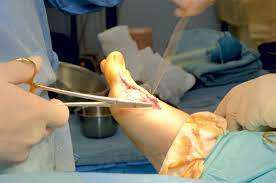
Athlete's foot is a fungal infection affecting skin between toes or soles causing itching and scaling. It thrives in warm moist environments like sweaty shoes making it widespread worldwide.
- Signs & symptoms: Intense itching, redness cracking skin while sometimes creating blister-like lesions confined mainly between fourth & fifth toes;
- Diagnostic method: Clinical appearance usually leads diagnosis though skin scrapings examined under microscope confirm fungal presence;
- Treatment modalities: Topical antifungal creams applied regularly are standard care; severe cases may necessitate oral antifungals;
- Preventive measures: Maintaining dry feet by changing socks frequently avoiding tight shoes helps minimize infection risk;
This common condition generally improves well with appropriate hygiene practices combined with medical treatments ensuring comfort restoration quickly.
FLATFOOT (PES PLANUS)
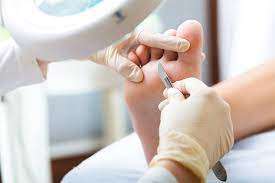
The term flatfoot describes a condition where the normal arch of the foot collapses partially or completely. This structural change can cause discomfort but many cases remain asymptomatic throughout life.
- Epidemiology & causes: Can be congenital or acquired due to ligament laxity, muscle weakness, injury, or obesity increasing stress on foot arches;
- Sensations & identification: Pain during walking/running especially in heel/arch area; visible decrease/loss of arch height on standing;
- Eliciting diagnosis:: Physical exam evaluates arch height and flexibility; imaging like weight-bearing X-rays help assess severity;
- Treatment options: Custom orthotic insoles support arches; physical therapy strengthens muscles supporting foot structure; surgery reserved for severe symptomatic deformities;
- Prognosis: Many individuals function normally without treatment; symptomatic relief achievable through conservative means.
Awareness regarding flatfoot aids patients in choosing suitable footwear and early interventions minimizing discomfort.
DIABETIC FOOT ULCERS
The development of foot ulcers is a serious complication for people with diabetes due to impaired sensation and poor circulation. Early recognition and treatment are crucial to avoid infections and amputations.
- Main causes: Neuropathy reduces feeling in feet; vascular disease impairs healing capacity leading to sores or ulcers forming from minor injuries.
- Symptoms include: Open wounds on pressure points of feet that do not heal properly along with redness or discharge if infected.
- Diagnosis process: Includes physical examination plus assessing blood sugar control and circulation tests;
- Treatment approach: Consists of wound care dressing changes, infection control using antibiotics if needed, offloading pressure via special footwear, and optimizing diabetes management;
- Prognosis expectations: Healing can take weeks-months requiring regular monitoring to prevent worsening;
A comprehensive strategy integrating podiatric care reduces risk for serious consequences linked to diabetic foot ulcers.
INGROWN TOENAILS
An ingrown toenail occurs when the edge of a toenail grows into the surrounding skin, causing discomfort and sometimes infection. This condition is particularly frequent among adolescents and adults who frequently wear tight footwear.
- Causative factors: Improper nail trimming, tight shoes, trauma to the toe, or genetic predisposition can lead to this problem.
- Symptoms: Painful swelling at the nail border with possible redness, drainage, or infection signs.
- Diagnosis: Visual inspection usually suffices; infected cases may require further lab tests.
- Treatment methods: Conservative care includes soaking feet in warm water, proper nail trimming techniques, and antibiotics if infected. In persistent cases, minor surgical intervention may be necessary.
- Prevention tips: Wearing well-fitting shoes and maintaining hygiene helps avoid recurrence.
A timely approach to managing ingrown nails prevents complications such as abscess formation or chronic infections.
PLANTAR FASCIITIS
Plantar fasciitis is a common cause of heel pain that affects many individuals, especially those who stand or walk for extended periods. It involves inflammation of the thick band of tissue connecting the heel bone to the toes.
- Symptoms and causes: Sharp pain near the heel, particularly with the first steps in the morning or after rest. It often results from repetitive strain or improper footwear.
- Diagnosis: Primarily clinical evaluation backed by physical examination; imaging like ultrasound or X-rays may rule out other causes.
- Treatment options: Includes rest, ice, stretching exercises, orthotic devices, anti-inflammatory medications, and physical therapy.
- Management: Modification of activities and wearing supportive shoes can prevent recurrence.
- What to expect: Gradual pain improvement over weeks to months; severe cases might require injections or rarely surgery.
Understanding plantar fasciitis helps patients manage symptoms effectively and reduce disruption to daily activities.