
DrPradeeps Gene
About Me
DrPradeeps Gene
MBBS
General Physician
10 Years Experience
Biography
My Clinic
OPD Hours
| Monday | Morning | 10:00 AM | - | 02:00 PM |
| Evening | 06:00 PM | - | 09:00 PM | |
| Tuesday | Morning | 10:00 AM | - | 02:00 PM |
| Evening | 06:00 PM | - | 09:00 PM | |
| Wednesday | Morning | 10:00 AM | - | 02:00 PM |
| Evening | 06:00 PM | - | 09:00 PM | |
| Thursday | Morning | 10:00 AM | - | 02:00 PM |
| Evening | 06:00 PM | - | 09:00 PM | |
| Friday | Morning | 10:00 AM | - | 02:00 PM |
| Evening | 06:00 PM | - | 09:00 PM | |
| Saturday | Morning | 10:00 AM | - | 02:00 PM |
| Evening | 06:00 PM | - | 09:00 PM | |
| Sunday | Morning | 10:00 AM | - | 02:00 PM |
| Evening | 06:00 PM | - | 09:00 PM |
Treatments
Specialised care and treatments offered
ANEMIA EVALUATION AND MANAGEMENT
Anemia is a condition characterized by decreased red blood cell count or hemoglobin leading to reduced oxygen delivery to tissues. Identifying underlying causes permits effective treatment strategies tailored per patient needs.
- Spectrum & Symptoms: Fatigue, pallor, shortness of breath commonly manifest; causes range from nutritional deficiencies (iron/B12) to chronic diseases.
- Labs & Diagnostic Workup: Complete Blood Count (CBC) along with reticulocyte count aid classification; further tests target specific etiologies such as iron studies.
- Therapeutic Options: Supplementation depending on deficiency type coupled with addressing root cause promotes recovery; red cell transfusions reserved for severe cases.
- Lifestyle Tips & Monitoring: Balanced diet rich in iron-containing foods enhances red cell production; periodic evaluation ensures treatment efficacy.
Anemia management focuses on restoring adequate hemoglobin levels which improves quality of life and reduces associated complications when approached systematically under medical care guidance.
CHOLESTEROL MONITORING AND CONTROL

Lipid disorders are major contributors to cardiovascular diseases worldwide. Keeping cholesterol within healthy limits is essential for heart health maintenance over time.
- Epidemiology & Symptoms: Elevated cholesterol generally has no symptoms but increases arterial plaque buildup causing potential heart attacks or strokes.
- Evolving Diagnosis: Blood lipid profile assessment measuring LDL ('bad'), HDL ('good'), total cholesterol & triglycerides guides risk evaluation.
- Treatment Modalities: Lifestyle modifications such as dietary fat reduction combined with statins or other lipid-lowering agents based on risk profile.
- Lifestyle Management: Balanced nutrition emphasizing fruits/vegetables; regular aerobic exercises significantly improve cholesterol numbers.
Diligent cholesterol control helps substantially lower the chance of cardiovascular events throughout life span when managed correctly by healthcare professionals.
INFECTIOUS DISEASE PREVENTION

The prevention of infectious diseases involves measures to stop the spread of bacteria, viruses, and other pathogens. It plays a critical role in safeguarding personal and public health.
- Causative Agents & Symptoms: Common infections include respiratory illnesses presenting with cough or fever; caused by viruses or bacteria transmitted via droplets or contact.
- Screening & Diagnosis: Laboratory tests such as cultures or antigen assays help identify specific pathogens early on for targeted care.
- Treatment Principles: Use of appropriate antibiotics or antivirals along with supportive care like hydration rests vital roles when infection occurs;
- Prevention Strategies:: Vaccinations against influenza or hepatitis; hygiene practices including handwashing; avoiding crowded places during outbreaks reduce infection risk.
A combination of preventive actions alongside timely medical intervention helps control infectious disease impact efficiently.
ROUTINE HEALTH CHECK-UPS
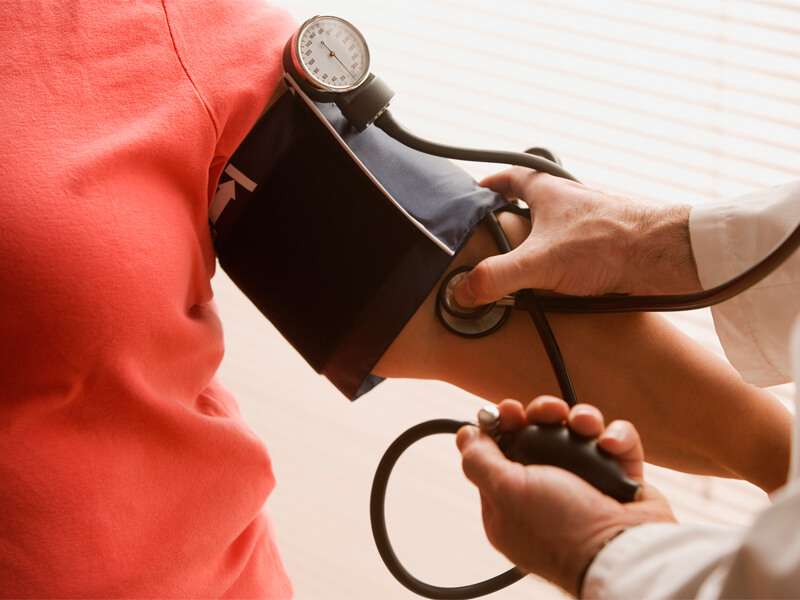
Regular health evaluations are vital in identifying early signs of medical conditions before they become severe. These check-ups form the cornerstone of preventive healthcare.
- Main Components: Physical examination, vital signs measurements, basic blood tests including CBC and lipid profile.
- Purpose: Detect underlying health issues like anemia, infections, cholesterol abnormalities early on.
- Counseling: Guidance on diet, exercise habits, smoking cessation to improve overall wellness.
- Follow-up: Based on findings, further diagnostic workups or specialist referrals may be recommended.
An annual routine check-up supports maintaining good health through timely interventions and lifestyle advice tailored for each individual.
DIABETES SCREENING AND PREVENTION

Diabetes is a metabolic disorder characterized by high blood sugar levels. Early detection is key to preventing complications associated with the disease.
- Signs and Risk Factors: Include increased thirst, frequent urination, family history, obesity, and sedentary lifestyle.
- Diagnostic Tests: Fasting Blood Sugar (FBS), HbA1c levels, and Oral Glucose Tolerance Test (OGTT) help confirm diagnosis or pre-diabetic states.
- Treatment Approaches: Emphasize dietary management, physical activity enhancement, oral medications or insulin therapy as needed.
- Preventive Measures: Weight control and regular screening can delay or prevent onset in at-risk individuals.
A proactive approach ensures better glycemic control and minimizes long-term health impacts.
HYPERTENSION MANAGEMENT
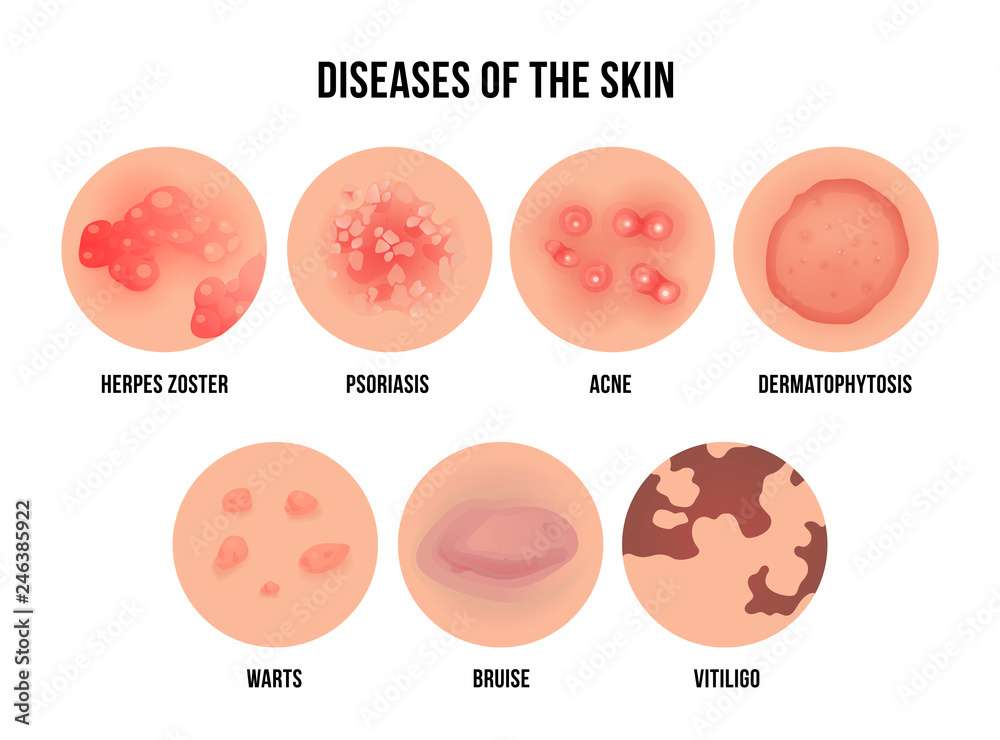
High blood pressure, or hypertension, is a common condition that can lead to serious health complications if left uncontrolled. Regular monitoring and lifestyle adjustments are crucial for maintaining heart health.
- Symptoms and Causes: Often called the 'silent killer' due to lack of symptoms; caused by factors such as genetics, diet, stress, and inactivity.
- Diagnosis: Confirmed through multiple blood pressure readings using a sphygmomanometer over several visits.
- Treatment Options: Lifestyle changes including diet modification, regular exercise, weight management, and possibly antihypertensive medications.
- Management: Ongoing monitoring and adherence to treatment plans reduce risks of stroke, heart attack, and kidney damage.
Understanding and managing hypertension effectively helps maintain long-term cardiovascular well-being.