
DrPratap S Tanwa
About Me
DrPratap S Tanwa
MBBS
Therapist
10 Years Experience
Biography
My Clinic
OPD Hours
| Monday | Morning | 10:00 AM | - | 02:00 PM |
| Evening | 06:00 PM | - | 09:00 PM | |
| Tuesday | Morning | 10:00 AM | - | 02:00 PM |
| Evening | 06:00 PM | - | 09:00 PM | |
| Wednesday | Morning | 10:00 AM | - | 02:00 PM |
| Evening | 06:00 PM | - | 09:00 PM | |
| Thursday | Morning | 10:00 AM | - | 02:00 PM |
| Evening | 06:00 PM | - | 09:00 PM | |
| Friday | Morning | 10:00 AM | - | 02:00 PM |
| Evening | 06:00 PM | - | 09:00 PM | |
| Saturday | Morning | 10:00 AM | - | 02:00 PM |
| Evening | 06:00 PM | - | 09:00 PM | |
| Sunday | Morning | 10:00 AM | - | 02:00 PM |
| Evening | 06:00 PM | - | 09:00 PM |
Treatments
Specialised care and treatments offered
MOOD DISORDER TREATMENT
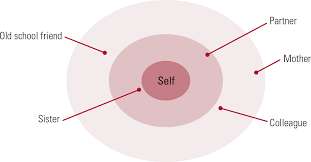
Mood disorder treatment addresses conditions characterized by persistent disturbances in emotional states such as depression or bipolar disorder. Early intervention enhances recovery chances considerably.
- Symptoms/causes:This includes symptoms like prolonged sadness, mood swings, changes in appetite or sleep patterns possibly stemming from genetic predispositions or environmental factors.
- Diagnosis:The approach involves psychiatric evaluations combined with psychological testing when needed to confirm specific mood disorders accurately. Treatment/management: The management plan may incorporate psychotherapy such as interpersonal therapy alongside medication prescribed by specialists when appropriate.
SLEEP DISORDER EVALUATION
A sleep disorder evaluation examines disturbances affecting the quality or duration of sleep that impact daytime functioning. Identifying underlying causes assists in prescribing appropriate interventions to restore restful sleep patterns.
- Symptoms/causes: Difficulty falling asleep or staying asleep may be due to insomnia, sleep apnea, restless legs syndrome, or circadian rhythm disruptions.
- Diagnosis: The process includes detailed sleep histories along with questionnaires; sometimes overnight studies (polysomnography) are recommended externally.
- Treatment/management: Depending on diagnosis outcomes therapy may focus on cognitive-behavioral strategies for insomnia or recommend medical referrals for specialized care.
- Expectations: Effective management can improve energy levels, mood stability, and overall quality of life significantly once sleep improves.
STRESS MANAGEMENT TECHNIQUES
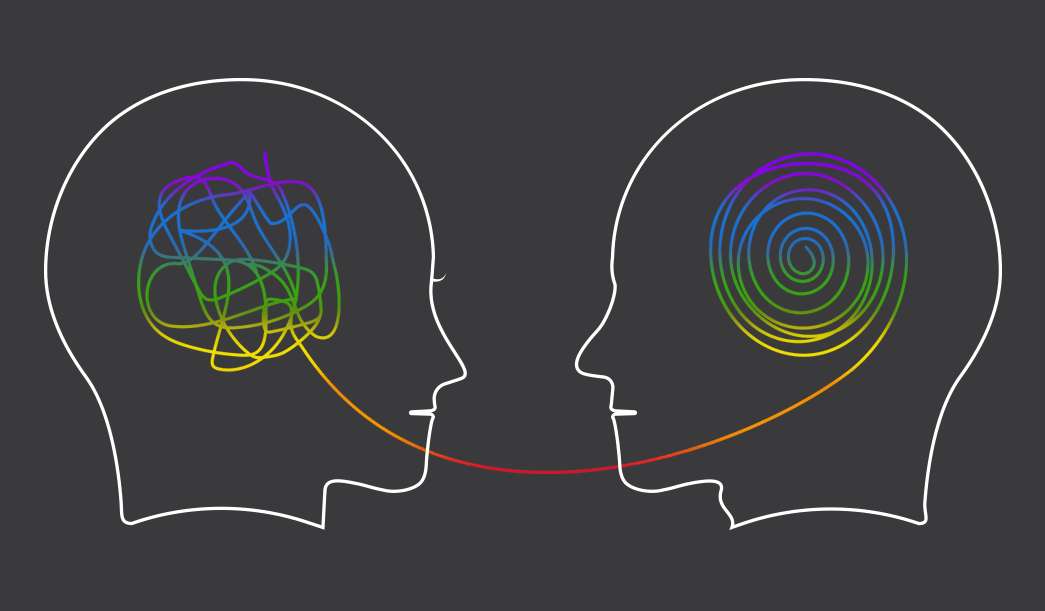
Stress management encompasses strategies designed to reduce physical and emotional tension caused by challenging life circumstances. Learning these techniques supports improved overall well-being and resilience.
- Symptoms/causes: Chronic stress stems from work pressures, relationship issues, or traumatic events causing anxiety, irritability, or fatigue.
- Diagnosis: Evaluation through clinical history-taking identifies stress triggers alongside symptom severity assessments.
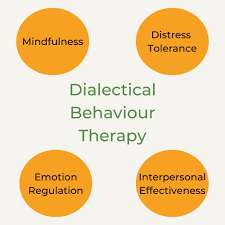
- Treatment/management: Common methods include mindfulness meditation, breathing exercises, time management training, and lifestyle changes advocated during therapy sessions.
- Expectations: Regular practice leads to reduced stress responses with better emotional regulation in daily life situations.
This holistic approach equips individuals with practical tools for managing distress effectively long-term.
PSYCHOLOGICAL ASSESSMENT
A psychological assessment is a comprehensive evaluation of an individual's mental health through standardized tests and detailed interviews. It aims to provide insights into cognitive abilities, personality traits, emotional functioning, and behavioral patterns.
- Symptoms/causes: This evaluation is often prompted by concerns such as mood disorders, learning difficulties, or behavioral challenges.
- Diagnosis: Skilled therapists administer various validated instruments tailored to the patient's presenting issues.
- Treatment/management: Results help formulate accurate diagnoses and guide personalized treatment plans including therapy modalities or referrals.
- Expectations: The process is confidential and thorough; patients receive feedback that clarifies strengths and areas requiring support.
This assessment plays a crucial role in understanding complex psychological profiles for effective intervention planning.
COGNITIVE BEHAVIORAL THERAPY (CBT)
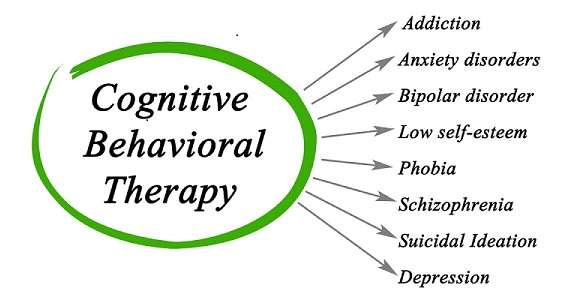
Cognitive Behavioral Therapy (CBT) is a structured, time-limited psychotherapy approach that helps individuals identify and modify negative thought patterns, feelings, and behaviors. It's widely used to treat various mental health disorders by fostering healthier thinking and coping strategies.
- Symptoms/causes: CBT is beneficial for conditions such as anxiety, depression, phobias, and stress-related issues triggered by maladaptive thoughts.
- Diagnosis: Diagnosis typically involves clinical interviews and psychological assessments to determine suitability for CBT.
- Treatment/management: CBT sessions involve working collaboratively with a therapist to challenge distorted beliefs and develop practical skills over weeks or months.
- Expectations: Patients usually notice gradual improvement in mood and behavior with consistent practice of learned techniques both during and after therapy completion.
Overall, CBT empowers individuals to gain control over their mental health by addressing the root cognitive processes contributing to emotional distress.