
DRPRAVEEN CHOUDH
About Me
DRPRAVEEN CHOUDH
ENDOCRINOLOGIST
Biography
My Clinic
OPD Hours
| Monday | Morning | 10:00 AM | - | 02:00 PM |
| Evening | 06:00 PM | - | 09:00 PM | |
| Tuesday | Morning | 10:00 AM | - | 02:00 PM |
| Evening | 06:00 PM | - | 09:00 PM | |
| Wednesday | Morning | 10:00 AM | - | 02:00 PM |
| Evening | 06:00 PM | - | 09:00 PM | |
| Thursday | Morning | 10:00 AM | - | 02:00 PM |
| Evening | 06:00 PM | - | 09:00 PM | |
| Friday | Morning | 10:00 AM | - | 02:00 PM |
| Evening | 06:00 PM | - | 09:00 PM | |
| Saturday | Morning | 10:00 AM | - | 02:00 PM |
| Evening | 06:00 PM | - | 09:00 PM | |
| Sunday | Morning | 10:00 AM | - | 02:00 PM |
| Evening | 06:00 PM | - | 09:00 PM |
Treatments
Specialised care and treatments offered
BONE DENSITY TESTING
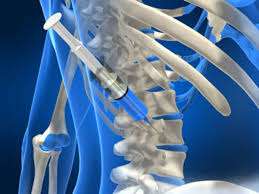
Bones play a key role in structural support. Bone density testing evaluates bone health using specialized scans that help assess risk factors related to osteoporosis — a condition causing weakened bones prone to fractures. Regular assessments are crucial especially for individuals with known risk factors associated with endocrine disorders affecting bone density such as hormonal imbalances linked primarily with estrogen or testosterone deficiency
- Common symptoms leading one towards testing encompass unexplainable fractures along with chronic back pain resulting from bone degeneration .
- The diagnostic approach often integrates dual-energy X-ray absorptiometry (DXA) scans which yield precise measurements evaluating bone mineral density .
- Management options following analysis frequently involve lifestyle modifications coupled with medications designed specifically targeting osteoporosis prevention including calcium/vitamin D supplements .
- Post-diagnostic expectations become necessary wherein appropriate re-evaluations occur yearly based upon results indicating future risks arising out of low density .
Undertaking timely screenings helps mitigate extensive damage caused while empowering patients towards maintaining stronger healthier bones
GROWTH HORMONE THERAPY

This therapy is utilized to address growth deficiencies stemming from inadequate growth hormone production in children or adults. It aims not only at height enhancement in younger patients but also improves overall metabolic functions among adults facing age-related decline in growth hormone levels.
- The main signs indicating a need for intervention may involve unusual short stature in children or reduced muscle mass in adults over time.
- A thorough diagnosis includes clinical evaluations alongside specific hormonal testing related to growth factors present in the body.
- Treatment consists of periodic injections administered under medical supervision; monitoring effectiveness is pivotal during ongoing therapy sessions.
- Paitents can expect gradual improvements; however, full benefits are observed consistently over years depending on individual health circumstances
This treatment provides critical support towards achieving desired growth patterns while enhancing overall vitality across different age groups affected by deficiencies in growth hormones
RADIOACTIVE IODINE THERAPY

This treatment employs radioactive iodine (RAI) to target overactive thyroid tissues effectively. It is particularly used for conditions such as Graves' disease or toxic nodular goiter. RAI works by being absorbed by the thyroid gland, thereby diminishing its ability to produce hormones excessively.
- Affected individuals may experience symptoms like rapid heartbeat, anxiety, sweating, and weight loss due to elevated thyroid hormones.
- The diagnosis generally includes blood tests measuring hormone levels along with imaging techniques such as ultrasound or thyroid scans.
- Treatment involves taking RAI orally; it’s non-invasive compared to traditional surgical methods and usually necessitates temporary isolation due to radioactivity concerns post-treatment.
- A follow-up care plan will be set up to monitor the patient's response over time and adjust replacement therapies if necessary.
This method offers an effective alternative for managing hyperthyroidism while aiming to prevent future complications associated with untreated conditions.
INSULIN PUMP THERAPY

Insulin pump therapy is an innovative method allowing continuous delivery of insulin for managing diabetes. This approach helps in maintaining blood glucose levels within the target range more effectively than multiple daily injections alone. It may be beneficial for individuals with both Type 1 and advanced Type 2 diabetes.
- Common symptoms prompting consideration include frequent fluctuations in blood sugar levels and increased instances of hypoglycemia.
- The diagnosis process typically encompasses comprehensive blood testing alongside an evaluation of overall diabetes management strategies.
- This therapy involves attaching a small device that automatically delivers insulin based on real-time needs throughout the day and night.
- After starting pump therapy, patients should anticipate regular follow-ups to adjust settings as needed for optimal control.
This treatment allows greater flexibility and control over diabetes management while enabling users to lead a more normal life.
ADRENALECTOMY

An adrenalectomy is performed to remove one or both adrenal glands when they are not functioning properly. These glands are responsible for producing vital hormones that regulate metabolism, immune system responses, and stress reactions. Conditions requiring this surgery might include adrenal tumors or Cushing's syndrome.
- Symptoms leading to this procedure may comprise weight gain, high blood pressure, and abnormal hair growth patterns.
- Diagnosis is typically confirmed through imaging studies like CT scans and hormone level assessments.
- This surgical intervention can be approached laparoscopically for expedited recovery and minimal scarring.
- A patient's hormone levels will be closely monitored post-surgery to ensure proper bodily function.
Adrenalectomy aims to alleviate symptoms associated with adrenal dysfunction while restoring hormonal balance in the body.
THYROIDECTOMY

Thyroidectomy is a surgical procedure involving the removal of all or part of the thyroid gland. This surgery is commonly recommended for patients suffering from various thyroid disorders, including cancer, hyperthyroidism, or large goiters. The thyroid gland plays a crucial role in regulating metabolism and hormone production.
- Symptoms indicating thyroid issues may include unexplained weight changes, fatigue, and mood swings.
- Diagnosis often involves blood tests to check hormone levels and imaging tests like ultrasound.
- Treatment usually entails medication to manage symptoms or, in some cases, surgery to remove problematic portions of the gland.
- You can expect a post-operative recovery period where monitoring hormone levels is essential.
Thyroidectomy can help restore balance in hormonal regulation and significantly improve quality of life for those affected by severe thyroid conditions.