
DrPraveen Meena
About Me
DrPraveen Meena
MBBS
General Physician
Biography
My Clinic
OPD Hours
| Monday | Morning | 10:00 AM | - | 02:00 PM |
| Evening | 06:00 PM | - | 09:00 PM | |
| Tuesday | Morning | 10:00 AM | - | 02:00 PM |
| Evening | 06:00 PM | - | 09:00 PM | |
| Wednesday | Morning | 10:00 AM | - | 02:00 PM |
| Evening | 06:00 PM | - | 09:00 PM | |
| Thursday | Morning | 10:00 AM | - | 02:00 PM |
| Evening | 06:00 PM | - | 09:00 PM | |
| Friday | Morning | 10:00 AM | - | 02:00 PM |
| Evening | 06:00 PM | - | 09:00 PM | |
| Saturday | Morning | 10:00 AM | - | 02:00 PM |
| Evening | 06:00 PM | - | 09:00 PM | |
| Sunday | Morning | 10:00 AM | - | 02:00 PM |
| Evening | 06:00 PM | - | 09:00 PM |
Treatments
Specialised care and treatments offered
INFECTIOUS DISEASE SCREENINGS
Screenings for infectious diseases are crucial in identifying illnesses that could significantly impact overall health. Early detection enables prompt treatment before complications arise!
- Signs may vary widely depending on the specific infection but can include fever, fatigue, unusual rashes, or persistent coughs among others related respiratory conditions .
- Diagnosis generally involves clinical evaluation accompanied by lab testing which detects pathogens responsible including viruses , bacteria , parasites etc .
- Treatment approaches differ based upon nature/severity including antibiotics antivirals supportive therapies encouraging recovery while preventing transmission from individuals infected .
- For best practices it’s important awareness surrounding vaccinations regular checkups ensuring precautionary measures adhered particularly within community settings where risks heightened .
Ensuring comprehensive screenings aids protecting individual public wellness reducing potential outbreaks within populations preserving wellbeing optimally .
CHOLESTEROL SCREENING

Cholesterol screening is an important preventive measure that assesses lipid levels in your bloodstream. High cholesterol can lead to cardiovascular diseases if left unchecked.
- No symptoms typically present with high cholesterol; therefore regular screening is vital for early detection especially for individuals at risk due to family history or lifestyle factors.
THYROID FUNCTION TESTS

The thyroid gland plays a pivotal role in regulating metabolism through hormone production. Thyroid function tests assess how well this gland is working.
- Certain symptoms may indicate thyroid issues; these include unexpected weight gain or loss, fatigue, hair loss, and mood swings depending on whether thyroid hormone levels are too high or too low.
- Doctors diagnose thyroid disorders primarily through blood tests evaluating levels of TSH (Thyroid Stimulating Hormone), T3 (triiodothyronine), and T4 (thyroxine).
- Treatment varies based on the identified disorder: hypothyroidism is usually treated with hormone replacement therapy while hyperthyroidism may require medication or other interventions like radioactive iodine therapy.
- Regular follow-up testing is important for managing these conditions effectively over time; adjustments in medication might be necessary based on test results.
A thorough understanding of thyroid health helps ensure proper metabolic functions are maintained throughout life.
ASTHMA CONTROL
Asthma is a chronic respiratory condition that affects breathing through narrowing of the airways. Understanding how to manage asthma is critical for maintaining an active lifestyle.
- The condition can cause symptoms like wheezing, coughing, chest tightness, and difficulty breathing during physical activity or nighttime.
- A diagnosis is confirmed through a combination of medical history review and lung function tests such as spirometry.
- Treatment often includes inhaled corticosteroids, bronchodilators, and avoidance of known triggers such as allergens or irritants.
- Patients should be educated about their medications and the importance of proper inhaler technique for effective use.
- An asthma action plan personalized for each patient can help manage flare-ups effectively when they occur.
With appropriate management strategies in place, patients can enjoy a better quality of life while controlling their asthma effectively.
DIABETES MANAGEMENT

Diabetes management is vital for maintaining health in individuals with both Type 1 and Type 2 diabetes. Proper control can prevent long-term complications.
- The primary symptoms include increased thirst, frequent urination, fatigue, and blurred vision.
- Diagnosis typically involves blood tests that measure glucose levels, such as fasting plasma glucose or HbA1c tests.
- Treatment strategies may include a healthy diet, regular physical activity, monitoring blood sugar levels, and medications or insulin therapy as needed.
- It's crucial for patients to understand how to recognize signs of high or low blood sugar and manage them effectively.
- Regular check-ups help in adjusting treatment plans based on individual needs and health changes over time.
Effective diabetes management greatly improves quality of life and reduces the risk of severe complications.
HYPERTENSION

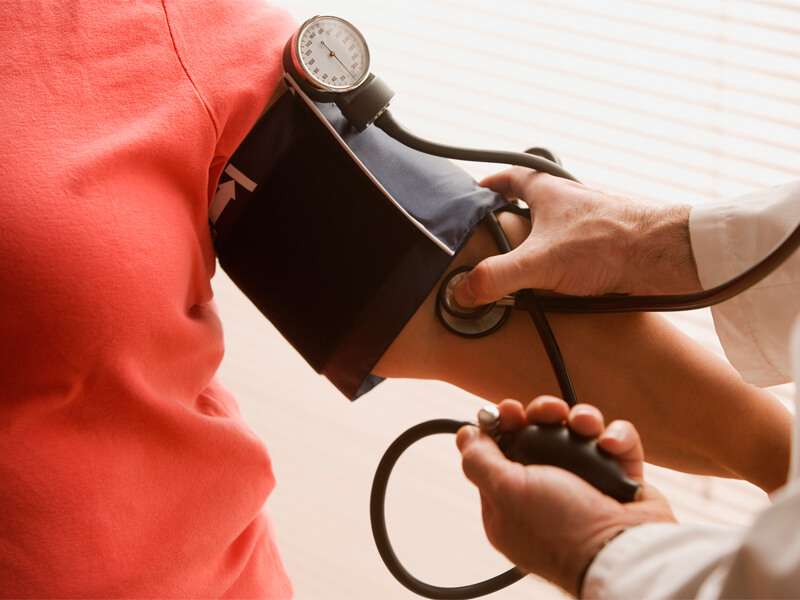
Hypertension, or high blood pressure, is a common condition that often goes unnoticed. It can lead to serious health issues if not managed properly.
- Symptoms may include frequent headaches, dizziness, and shortness of breath, but many individuals do not experience any symptoms at all.
- The diagnosis usually involves measuring blood pressure readings on multiple occasions to confirm sustained elevated levels.
- Treatment options include lifestyle changes such as diet modifications and exercise, along with medications that help lower blood pressure.
- Regular monitoring is essential to adjust treatment as needed and ensure optimal management of the condition.
- Patients can expect follow-up appointments to evaluate their progress and make adjustments to their treatment plan.
It's crucial to take hypertension seriously to reduce the risk of complications like heart disease and stroke.