
DrRAHUL SINGHAL,
About Me
DrRAHUL SINGHAL,
MD
Cardiologist
10 Years Experience
Biography
My Clinic
OPD Hours
| Monday | Morning | 10:00 AM | - | 02:00 PM |
| Evening | 06:00 PM | - | 09:00 PM | |
| Tuesday | Morning | 10:00 AM | - | 02:00 PM |
| Evening | 06:00 PM | - | 09:00 PM | |
| Wednesday | Morning | 10:00 AM | - | 02:00 PM |
| Evening | 06:00 PM | - | 09:00 PM | |
| Thursday | Morning | 10:00 AM | - | 02:00 PM |
| Evening | 06:00 PM | - | 09:00 PM | |
| Friday | Morning | 10:00 AM | - | 02:00 PM |
| Evening | 06:00 PM | - | 09:00 PM | |
| Saturday | Morning | 10:00 AM | - | 02:00 PM |
| Evening | 06:00 PM | - | 09:00 PM | |
| Sunday | Morning | 10:00 AM | - | 02:00 PM |
| Evening | 06:00 PM | - | 09:00 PM |
Treatments
Specialised care and treatments offered
UNSTABLE ANGINA

This coronary syndrome represents reduced blood flow to the heart causing unpredictable chest pain episodes at rest or minimal exertion. It signals an urgent need for assessment since it may precede a heart attack.
- Symptoms/causes: Chest discomfort described as pressureor squeezing that lasts longer than stable angina; underlying cause usually involves partial blockagefrom ruptured plaques within coronary arteries.
- Diagnosis: Evaluation includes ECG showing transient ischemic changes,blood markers excluding myocardial injury,and sometimes stress testingonce stabilized.
- Treatment options: Immediate management involves antiplatelet agents(aspirin), nitratesfor symptom relief,beta-blockers,and considerationof invasive procedures suchas angioplastyif necessary.
- Whattoexpect: Quick hospitalizationandcareare vitalto reduceriskof progressionto infarctionwhile optimizingheart perfusion.
Understanding unstable angina empowers patients tosensibly respondto chest symptomswithout delaythus minimizing complications.
ACUTE PULMONARY EMBOLISM
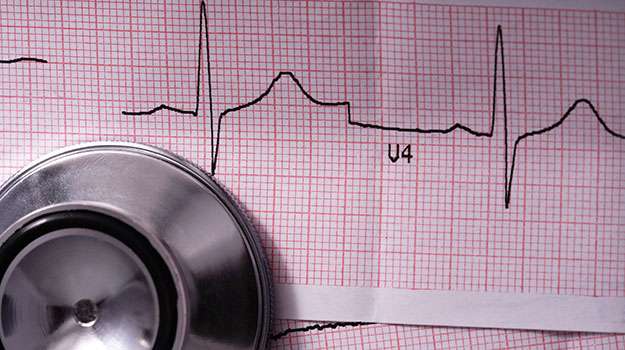
A sudden blockage in one of the pulmonary arteries caused by a blood clot often originates from deep vein thrombosis in the legs. This is a potentially life-threatening emergency demanding quick diagnosis and treatment.
- Symptoms/causes:The sudden onset of shortness of breath, chest pain that worsens with breathing deeply, rapid heartbeat, coughing up blood may occur. Risk factors include prolonged immobility, surgery history, clotting disorders.
- Diagnosis:The diagnosis includes clinical scoring systems combined with imaging techniques like CT pulmonary angiography plus D-dimer blood test confirmation when appropriate.
- Treatment options:Mainstay treatments involve anticoagulation therapy aimed at preventing clot growth. Severe cases could require thrombolytics to dissolve clots urgently or surgical embolectomy if indicated.
ACUTE PERICARDITIS
This inflammatory condition affects the pericardium—the thin sac surrounding the heart—often causing sharp chest pain which worsens with breathing or lying down. It can be sudden in onset requiring timely attention.
- Symptoms/causes: Typical features include pleuritic chest pain accompanied by fever; causes vary widely from viral infections to autoimmune diseases or post-heart attack inflammation.
- Diagnosis: Diagnosis relies on clinical presentation combined with ECG changes (such as widespread ST elevations), echocardiography assessing fluid accumulation around the heart, and blood tests indicating inflammation.
- Treatment options: Often treated with anti-inflammatory medications including NSAIDs or colchicine; severe cases may require corticosteroids or drainage procedures if fluid buildup compromises heart function.
- What to expect: Most recover fully within weeks though follow-up is important due to risk of recurrent episodes or complications like constrictive pericarditis.
A clear understanding helps patients recognize symptoms early and seek prompt medical care ensuring effective resolution of this painful condition.
HEART FAILURE MANAGEMENT
Heart failure is a chronic condition where the heart cannot pump blood effectively to meet the body's needs. This results in symptoms that affect daily living but can be managed with appropriate care.
- Symptoms/causes: Patients experience breathlessness, swelling in legs or abdomen, fatigue; common causes include coronary artery disease and hypertension leading to weakened cardiac muscle.
- Diagnosis: Diagnosis requires clinical exams supported by echocardiography to assess heart function and blood tests for markers like BNP (B-type natriuretic peptide).
- Treatment options: Treatment typically involves lifestyle modifications coupled with medications such as ACE inhibitors, diuretics, beta-blockers; advanced cases may require device therapy or transplantation evaluation.
- What to expect: With consistent treatment adherence and monitoring, many patients lead improved lives with reduced hospital admissions related to flare-ups.
Evolving therapies continue enhancing prognosis for those impacted by this prevalent cardiovascular condition.
CARDIAC ARRHYTHMIAS
An irregular heartbeat, or cardiac arrhythmia, happens when electrical signals coordinating your heartbeats malfunction. These abnormalities can range from harmless to life-threatening depending on type and severity.
- Symptoms/causes: Individuals may notice palpitations, dizziness, fainting spells, or fatigue. Causes include electrolyte imbalances, heart disease, or structural abnormalities.
- Diagnosis: Diagnosis often involves ECG monitoring (including Holter monitors) and electrophysiological studies to identify the rhythm disturbance precisely.
- Treatment options: Approaches can include medications such as antiarrhythmics, catheter ablation therapies to destroy abnormal tissue causing arrhythmia, or implantable devices like pacemakers or defibrillators.
- What to expect: Many arrhythmias are manageable with proper treatment enabling normal activities; however, some require ongoing monitoring for safety.
A careful evaluation ensures tailored therapies that help maintain a healthy heart rhythm and improve quality of life.
ACUTE MYOCARDIAL INFARCTION
Acute Myocardial Infarction, commonly known as a heart attack, occurs when blood flow to a part of the heart muscle is suddenly blocked. This interruption causes damage or death to the heart tissue if not treated promptly.
- Symptoms/causes: Chest pain or discomfort, shortness of breath, nausea, and sweating are typical signs. It is mainly caused by the blockage of coronary arteries from plaque rupture or blood clots.
- Diagnosis: Diagnosed through an electrocardiogram (ECG), cardiac enzyme tests (like troponin), and imaging studies such as coronary angiography.
- Treatment options: Immediate interventions include thrombolytic therapy to dissolve clots, percutaneous coronary intervention (PCI) including angioplasty and stenting, alongside medications like aspirin and beta-blockers.
- What to expect: Early treatment greatly improves survival. Following acute management, lifestyle changes and cardiac rehabilitation are essential to prevent further events.
Prompt recognition and urgent care for this condition are critical for preserving heart function and improving long-term outcomes.