
DrRAJAT JANGIR A
About Me
DrRAJAT JANGIR A
MBBS
General Physician
10 Years Experience
Biography
My Clinic
OPD Hours
| Monday | Morning | 10:00 AM | - | 02:00 PM |
| Evening | 06:00 PM | - | 09:00 PM | |
| Tuesday | Morning | 10:00 AM | - | 02:00 PM |
| Evening | 06:00 PM | - | 09:00 PM | |
| Wednesday | Morning | 10:00 AM | - | 02:00 PM |
| Evening | 06:00 PM | - | 09:00 PM | |
| Thursday | Morning | 10:00 AM | - | 02:00 PM |
| Evening | 06:00 PM | - | 09:00 PM | |
| Friday | Morning | 10:00 AM | - | 02:00 PM |
| Evening | 06:00 PM | - | 09:00 PM | |
| Saturday | Morning | 10:00 AM | - | 02:00 PM |
| Evening | 06:00 PM | - | 09:00 PM | |
| Sunday | Morning | 10:00 AM | - | 02:00 PM |
| Evening | 06:00 PM | - | 09:00 PM |
Treatments
Specialised care and treatments offered
THYROID FUNCTION TESTING
The thyroid gland regulates metabolism via hormone secretion; dysfunction may lead to symptoms affecting overall health drastically if left unchecked. Testing aids early diagnosis allowing prompt treatment initiation preventing further complications like heart issues or fertility problems.
- Common causes: Autoimmune disorders such as Hashimoto's thyroiditis; iodine deficiency; medication effects.
- Signs & symptoms prompting evaluation: Fatigue unexplained weight changes; mood swings; irregular menstrual cycles.
- Diagnostic tools: Blood tests measuring TSH (thyroid-stimulating hormone), T3 & T4 hormones provide insight into functional status.
- Treatment approaches: Hypothyroidism typically requires lifelong thyroid hormone replacement therapy while hyperthyroidism may need medications or other interventions based on severity.
Regular thyroid function screening, particularly when symptomatic or high risk exists ensures better health outcomes through timely management adjustments.
ROUTINE ADULT IMMUNIZATIONS

Keeps adults protected from diseases like tetanus, pneumococcus infections, hepatitis B among others through timely vaccinations tailored based on age & health status. This sustains immunity over time effectively preventing outbreaks in communities worldwide.
CHOLESTEROL SCREENING AND MANAGEMENT
An abnormal cholesterol level increases the risk of cardiovascular diseases by contributing to plaque buildup in arteries. Regular screening is vital for early detection.
- Causal factors: Excessive intake of saturated fats, genetic predisposition, sedentary lifestyle affect cholesterol levels adversely.
- Diagnostic procedures: Blood lipid panel checks total cholesterol along with HDL, LDL, and triglycerides counts after fasting usually required before testing.
- Lifestyle interventions: Dietary modifications including reducing trans fats intake alongside increased physical activity improve lipid profiles effectively.
- Treatment regimens:If lifestyle changes are inadequate alone, statins or other lipid-lowering drugs could be prescribed depending on individual cardiovascular risk assessment results.
Diligent monitoring combined with targeted interventions plays a crucial role in preventing heart attacks and strokes linked to cholesterol imbalances.
SEASONAL INFLUENZA VACCINATION
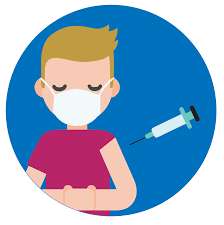
The seasonal flu vaccine protects against influenza viruses expected during the upcoming season. Vaccination reduces risk of severe illness and its spread within communities.
- Cause of illness: Influenza viruses change each year requiring annual vaccination updates.
- Candidates for vaccination: Recommended yearly for most adults especially those with chronic conditions or weakened immunity.
- Efficacy assessment: Effectiveness varies but generally decreases infection severity when contracted despite vaccination.
- Simplified process: Administered via injection or nasal spray in outpatient settings with minimal side effects commonly seen.
This preventive measure contributes significantly to public health by lowering hospitalization rates during flu seasons annually.
DIABETES SCREENING AND PREVENTION

Diabetes is a chronic condition characterized by elevated blood sugar levels due to insulin problems. Early identification helps prevent complications like vision loss or kidney disease.
- Risk factors: Include obesity, family history, sedentary lifestyle, and poor diet habits.
- Screening methods: Blood tests such as fasting plasma glucose or HbA1c are used to detect diabetes or prediabetes stages.
- Lifestyle modifications: Improving diet quality, increasing physical activity, and weight management play key roles in prevention or delay of onset.
- Treatment plans: If diagnosed, medications and regular glucose monitoring become important components of care.
A proactive approach through screening enables timely intervention that can maintain quality of life and reduce health risks associated with diabetes.
HYPERTENSION MANAGEMENT
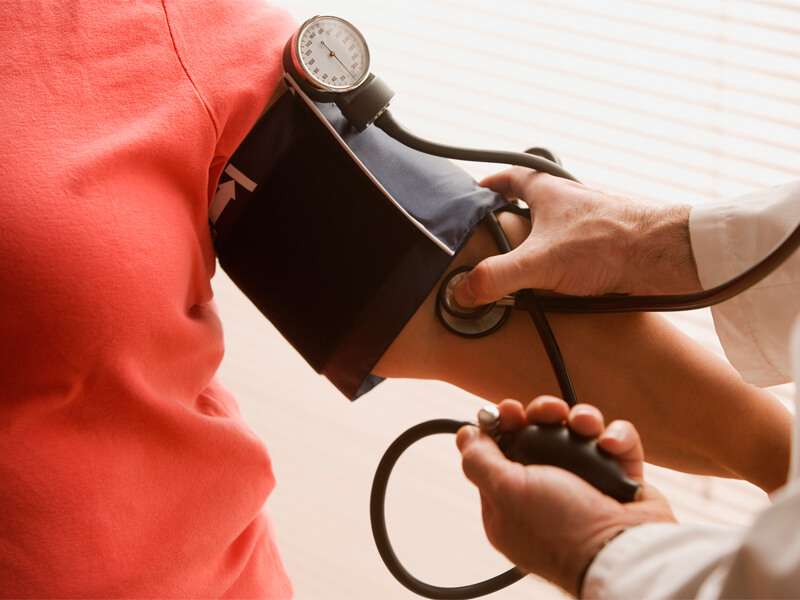
High blood pressure, or hypertension, is a common condition where the force of blood against artery walls is consistently too high. Without control, it can lead to serious health issues such as heart disease and stroke.
- Symptoms and causes: Often called the 'silent killer' because it may have no symptoms. Causes include genetics, poor diet, stress, and inactivity.
- Diagnosis: Regular monitoring using a blood pressure cuff, with multiple readings over time for accuracy.
- Treatment options: Lifestyle changes like diet and exercise are essential; medications may be prescribed to help lower pressure if needed.
- Management strategies: Ongoing follow-up is crucial to adjust treatment plans and ensure control of blood pressure.
- Expectations: With proper care, hypertension can be well managed to prevent complications.
Caring for high blood pressure involves consistent efforts but significantly reduces risks of serious cardiovascular problems in the long run.