
DrRajesh Sinha
About Me
DrRajesh Sinha
MD
Dermatologist
10 Years Experience
Biography
My Clinic
OPD Hours
| Monday | Morning | 10:00 AM | - | 02:00 PM |
| Evening | 06:00 PM | - | 09:00 PM | |
| Tuesday | Morning | 10:00 AM | - | 02:00 PM |
| Evening | 06:00 PM | - | 09:00 PM | |
| Wednesday | Morning | 10:00 AM | - | 02:00 PM |
| Evening | 06:00 PM | - | 09:00 PM | |
| Thursday | Morning | 10:00 AM | - | 02:00 PM |
| Evening | 06:00 PM | - | 09:00 PM | |
| Friday | Morning | 10:00 AM | - | 02:00 PM |
| Evening | 06:00 PM | - | 09:00 PM | |
| Saturday | Morning | 10:00 AM | - | 02:00 PM |
| Evening | 06:00 PM | - | 09:00 PM | |
| Sunday | Morning | 10:00 AM | - | 02:00 PM |
| Evening | 06:00 PM | - | 09:00 PM |
Treatments
Specialised care and treatments offered
WARTS
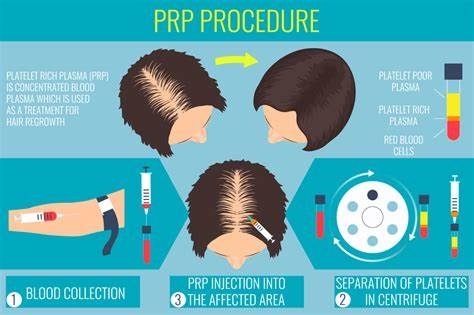
An annoyance for many individuals, warts are benign growths caused by human papillomavirus (HPV). They can occur at any age and are most commonly found on hands and feet but may develop elsewhere too!
- Symptoms usually manifest as small bumps with rough surfaces which might resemble cauliflower like appearances .
- Several HPV strains contribute causing warts while spread often occurs through direct contact.
- Diagnosis relies mainly upon physical inspection though sometimes dermoscopy helps further distinguish types .
- Treatments vary widely — options include cryotherapy (freezing), lasers , topical treatments using salicylic acid; however some warts clear away naturally without intervention especially amongst children !
Most importantly - although they’re harmless technically ; addressing them early prevents self-consciousness stemming from their presence!
SKIN CANCER SCREENING
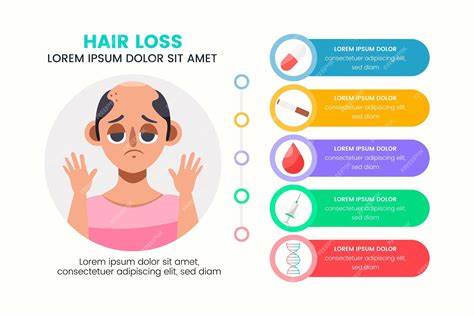
Early detection of skin cancer significantly increases treatment success rates. Skin cancer screening involves examining the skin for unusual growths or changes in existing moles that could indicate cancerous changes.
- Signs of concern typically include new growths or changes in shape/color/size of moles that occur over time.
Staying vigilant about one 's skin health through regular screenings provides peace-of-mind along with maintaining optimal well-being .
MELASMA
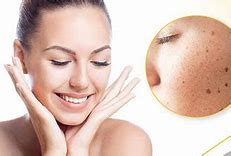
Melasma is a common skin condition characterized by brown or gray-brown patches on the face. It predominantly affects women but can also appear in men due to hormonal changes or sun exposure.
- Main symptoms present as symmetrical patches often seen on cheeks, forehead, nose, or upper lip area.
- It is thought to be triggered by sun exposure, hormonal changes during pregnancy (often referred to as 'the mask of pregnancy'), and certain medications.
- A confirmed diagnosis typically involves a visual examination of the affected areas by a dermatologist together with reviewing personal history regarding medications or hormones used.
- Treatments may include sun protection measures alongside topical lightening agents such as hydroquinone or chemical peels for stubborn cases
A proactive approach toward sun safety is crucial in managing melasma effectively over time.
ECZEMA (ATOPIC DERMATITIS)
Eczema is a chronic condition characterized by inflamed and itchy patches of skin. It commonly begins in childhood but can persist into adulthood or appear later in life.
- The symptoms include persistent itching, redness, and dryness that can lead to cracking or weeping sores if scratched excessively.
- Eczema has multiple causes including genetic predisposition and environmental allergens like dust mites or pollen.
- A thorough medical history review along with physical examination helps confirm diagnosis.
- Treatment involves moisturizing ointments, topical steroids, and avoiding known triggers to minimize flare-ups.
- Patient education on skincare routines plays an important role in managing this condition effectively.
With proper care strategies in place, those suffering from eczema can achieve clearer skin and improved comfort levels.
PSORIASIS
This chronic autoimmune condition leads to rapid skin cell production, causing red patches covered with thick scales. It's more than just a skin disorder; it can also affect overall health.
- Common symptoms include dry patches that itch or burn, often found on elbows, knees, and lower back.
- The exact cause remains unclear but is believed to involve genetic factors combined with environmental triggers.
- Diagnosis is primarily through observation of symptoms and sometimes a skin biopsy for confirmation.
- Treatment might involve topical treatments, phototherapy, or systemic medications to control flare-ups.
- Regular follow-up is essential since psoriasis can have periodic flare-ups throughout life.
Caring for psoriasis holistically can support both skin health and quality of life.
ACNE VULGARIS
Acne is a common skin condition that affects individuals of all ages, particularly during adolescence. It occurs when the hair follicles become clogged with oil and dead skin cells.
- Symptoms include pimples, blackheads, and cysts primarily on the face, chest, and back.
- The condition can be caused by hormonal changes, certain medications, or dietary factors.
- Diagnosis typically involves a physical examination and discussion of medical history.
- Treatment options range from topical creams and antibiotics to more advanced therapies like laser treatment.
- Managing acne requires patience as it may take weeks to see improvement.
Effective management of acne can lead to significant improvements in self-esteem and skin appearance.