
DrRakesh Mahala
About Me
DrRakesh Mahala
MD
Cardiologist
10 Years Experience
Biography
My Clinic
OPD Hours
| Monday | Morning | 10:00 AM | - | 02:00 PM |
| Evening | 06:00 PM | - | 09:00 PM | |
| Tuesday | Morning | 10:00 AM | - | 02:00 PM |
| Evening | 06:00 PM | - | 09:00 PM | |
| Wednesday | Morning | 10:00 AM | - | 02:00 PM |
| Evening | 06:00 PM | - | 09:00 PM | |
| Thursday | Morning | 10:00 AM | - | 02:00 PM |
| Evening | 06:00 PM | - | 09:00 PM | |
| Friday | Morning | 10:00 AM | - | 02:00 PM |
| Evening | 06:00 PM | - | 09:00 PM | |
| Saturday | Morning | 10:00 AM | - | 02:00 PM |
| Evening | 06:00 PM | - | 09:00 PM | |
| Sunday | Morning | 10:00 AM | - | 02:00 PM |
| Evening | 06:00 PM | - | 09:00 PM |
Treatments
Specialised care and treatments offered
PREVENTIVE HEART HEALTH COUNSELING

Counseling focused on lifestyle modification plays a key role in reducing future cardiovascular disease incidence. This preventive approach emphasizes education tailored towards individual risk profiles including diet quality, physical activity levels,and habits impacting heart health parameters such as smoking cessation measures or stress management techniques.
- Risk Factor Identification: Comprehensive review includes family history,multi-factorial risk scoring tools, and assessing current lifestyle choices impacting arterial health.
- Diet Recommendations: Encourages balanced intake rich in fruits, vegetables, whole grains with limited saturated fats,sodium,and processed foods consumption.
- Physical Activity Guidance: Advises regular moderate-intensity aerobic exercises suited for patient abilities aiming at weight control & vascular fitness improvement.
- Behavioral Change Support: Offers motivation strategies towards quitting tobacco/alcohol abuse & managing psychological stress effectively.
Adopting preventive counseling into daily routines enhances long-term cardiovascular wellness significantly by mitigating modifiable risks proactively.& nbsp;
ECHOCARDIOGRAPHY
Echocardiography uses ultrasound waves to produce live images of the heart’s structure and function. It helps diagnose various disorders affecting cardiac valves, chambers, walls, and pumping efficiency in a non-invasive manner.
- Clinical Indications: Suspected valve diseases (stenosis/regurgitation), cardiomyopathy evaluation,presence of murmurs, or unexplained shortness of breath prompting cardiac assessment.
- How It Works: A transducer placed over the chest sends sound waves reflecting off heart tissues creating moving pictures visualized on screen.
- Advantages: Pain-free test with no radiation exposure – safe even for repeated use.
- Findings Used To Guide Treatment: Severity grading of valve dysfunctions, ejection fraction quantification for heart failure management, and detection of intracardiac thrombi/ tumors.
Echocardiography provides crucial data that guide personalized therapeutic decisions improving patient outcomes through detailed structural evaluation.
STRESS TESTING FOR CARDIAC RISK
A stress test evaluates how well the heart performs under physical exertion or medication-induced stress. It assists doctors in uncovering hidden coronary artery disease or exercise intolerance issues early on.
- The Goal: To monitor heart rate, rhythm changes & symptoms during controlled exercise or pharmacological stimulus highlighting potential blockages or oxygen deprivation zones in cardiac muscle tissue.
- The Procedure: Walking on a treadmill or cycling while hooked up to an ECG monitor; alternative options exist if physical exercise isn’t possible medically.
- Interpretation & Follow-up:A cardiologist evaluates response patterns; abnormal findings generally prompt additional imaging studies like nuclear scans or angiograms for precise diagnosis.
- Patient Preparation: Avoid heavy meals beforehand & inform about medications that may affect results.
Timely utilization of stress testing can prevent severe events by identifying silent ischemia allowing targeted intervention plans.
ELECTROCARDIOGRAM (ECG) TESTING
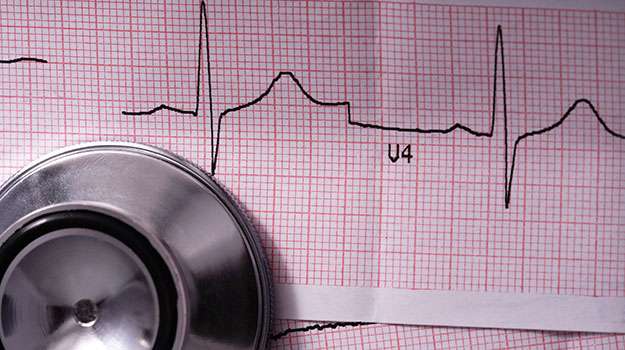
An Electrocardiogram (ECG) records the heart's electrical activity to detect irregularities that might indicate cardiac problems. It is a quick, painless procedure widely used for diagnostic purposes.
- Purpose: To identify arrhythmias, ischemia, previous heart attacks or other cardiac abnormalities early before symptoms escalate.
- The Procedure: Small electrodes attached to the chest capture electrical signals which are then recorded for analysis by specialists.
- Interpretation: Results help physicians understand if further testing like echocardiography or stress tests might be necessary based on detected patterns.
- Pain & Safety: Non-invasive with no associated risks or discomfort during recording; typically takes only a few minutes.
This test plays a foundational role in cardiovascular assessment by providing immediate insights into the heart’s rhythm and conduction system health status.
CHOLESTEROL SCREENING AND MANAGEMENT
Lipid abnormalities can silently cause damage to blood vessels, leading to serious cardiovascular diseases. Regular cholesterol screening helps detect risks early on.
- Symptoms and Causes: High cholesterol rarely causes symptoms but is often linked to poor diet, sedentary lifestyle, obesity, and genetic factors.
- Diagnostic Tests: Blood tests measuring LDL (bad cholesterol), HDL (good cholesterol), total cholesterol, and triglycerides provide essential insights.
- Treatment Strategies: Dietary changes emphasizing reduced saturated fats, medications such as statins when necessary, and encouraging regular exercise form the backbone of management.
- Lifestyle Advice: Quitting tobacco use and maintaining healthy weight also contribute significantly to lowering cholesterol levels.
Routine cholesterol monitoring enables timely interventions aimed at preventing plaque buildup in arteries and reducing heart disease risk.
HYPERTENSION MANAGEMENT
High blood pressure, or hypertension, is a common condition that increases the risk of heart disease and stroke. Managing it effectively can help prevent serious complications and improve overall cardiovascular health.
- Symptoms and Causes: Often called the 'silent killer' because it may present without symptoms; causes include genetics, lifestyle factors like diet and stress, and other medical conditions.
- Diagnosis: Regular blood pressure measurements using clinically validated devices over multiple visits are essential for an accurate diagnosis.
- Treatment Options: Lifestyle modifications such as reducing salt intake, increasing physical activity, quitting smoking, and medications like ACE inhibitors or beta-blockers are commonly prescribed.
- Monitoring: Continuous monitoring is crucial to assess treatment effectiveness and make necessary adjustments.
- Prognosis: With proper management, patients can significantly reduce their risk of heart attack, stroke, and kidney disease.
Early identification and consistent control of high blood pressure play a vital role in maintaining long-term heart health and preventing complications.