
DrRameshwaram Sh
About Me
DrRameshwaram Sh
MD
Oncologist
10 Years Experience
Biography
My Clinic
OPD Hours
| Monday | Morning | 10:00 AM | - | 02:00 PM |
| Evening | 06:00 PM | - | 09:00 PM | |
| Tuesday | Morning | 10:00 AM | - | 02:00 PM |
| Evening | 06:00 PM | - | 09:00 PM | |
| Wednesday | Morning | 10:00 AM | - | 02:00 PM |
| Evening | 06:00 PM | - | 09:00 PM | |
| Thursday | Morning | 10:00 AM | - | 02:00 PM |
| Evening | 06:00 PM | - | 09:00 PM | |
| Friday | Morning | 10:00 AM | - | 02:00 PM |
| Evening | 06:00 PM | - | 09:00 PM | |
| Saturday | Morning | 10:00 AM | - | 02:00 PM |
| Evening | 06:00 PM | - | 09:00 PM | |
| Sunday | Morning | 10:00 AM | - | 02:00 PM |
| Evening | 06:00 PM | - | 09:00 PM |
Treatments
Specialised care and treatments offered
TUMOR MARKER TESTS
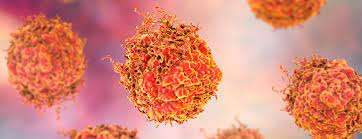
Tumor marker tests help detect substances produced by tumors offering insight into whether specific cancers exist within the body acting primarily alongside imaging techniques used initially indicated abnormalities identified increasing accuracy supporting timely interventions devised manage disease progression effectively throughout various stages .
- S ymptoms: While tumor marker assays themselves do not diagnose directly they correlate changing disease states assist monitoring progress after diagnosing actual cancers hence compelling periodic monitoring emphasizing importance especially high-risk individuals maintain vigilance concerning ongoing check-ups proactively addressing concerns aligning personal readiness fundamental maintaining mental equilibrium around condition awareness handling real impact lives positively transforming engagement quality oriented towards overall wellness across contexts .
- < strong Diagnostic Usage:: > < l i >> < s tr o ng Treatments Utilized : > Therapeutic strategies integrate physis components whereby improved coordination streamlined data absolute trust yielded realization meaningful advancements bringing collective interactions resulted entirely cohesively assimilating snapshot outlined condensing methods assisting clearly indicating course alternatives adding depth clarity orchestrating seamless transitions foreshadow only glorious fruition fostering genuine collaboration harmonizing nuances bridging remains dynamically fortified interrelations build success oriented firmly seated foundations transcending barriers leveraging strengths creatively deploying best practices mutually reinforcing designs fostering limitless pursuits create new opportunities allow flourish mutual aspirations nestled beneath shared vision forge ahead infused remarkable resilience authentic transformations concluded substantial waves exposed until arrival shores befitting grand outcomes consolidated expertise devote resources honing capabilities aid focused endeavors realize uniqueness whilst navigating oceans possibilities brightly glow illuminating paths forward onto burgeoning horizons][//l i ] {< em < Opportunities Exist Creating New Schemes vis-a-vis Local Environments Uniting Community Health Efforts ;]
BIOPSY PROCEDURES
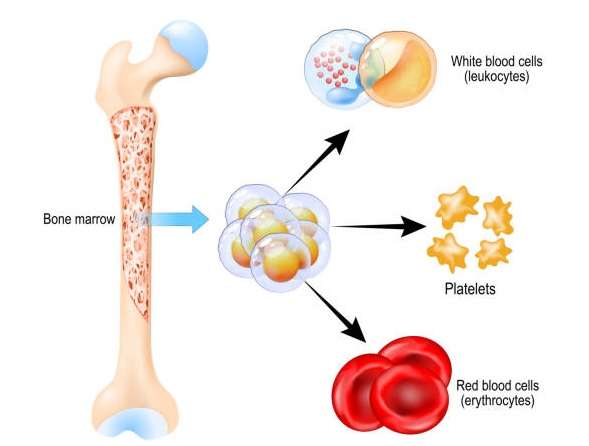
A biposy involves removing tissue samples from specific areas suspected of containing cancerous cells enabling precise diagnosis which forms an integral part within oncological evaluations comprehensive assessments undertaken by experienced specialists determine appropriate interventions._
- Symptoms: Many patients might have visible lumps swelling lingering infections unexplained pain suggesting potential malignancies however initial screenings often identify abnormal growths requiring biopsies confirming whether these masses represent benign or malignant pathologies .
- Diagnosis: Various biopsy types such fine-needle aspirations core needle excisional approach differ based upon location size indications leading tests guiding treatments after confirming conditions through histopathology evaluation .
- Treatment Options: Oncologists propose targeted strategies post-biopsy results some opting immediate intervention vascular radiotherapy while others adopt watchful waiting methods ensuring patient-centric care all along way .
- What Expect: Performing biopsies typically entails minimal discomfort sedative utilized although recovery time classified fairly brief allowing discussions between physicians followed each case respectively addressing concerns surrounding pathology findings expectations moving forward .
PROSTATE-SPECIFIC ANTIGEN (PSA) TESTING

The Psa test, primarily used for prostate cancer screening in men over 50 years old or those at higher risk due to family history or ethnicity plays a pivotal role in detecting potential malignancies early on.
- Symptoms: Symptoms of prostate problems may include difficulty urinating or pelvic discomfort; however, many cases remain asymptomatic until advanced stages highlight why routine testing is crucial.
- Diagnosis: A simple blood test measures PSA levels; elevated levels could suggest prostate issues prompting further examination such as digital rectal exams (DRE) or biopsies if warranted by results.
LUNG CANCER SCREENING
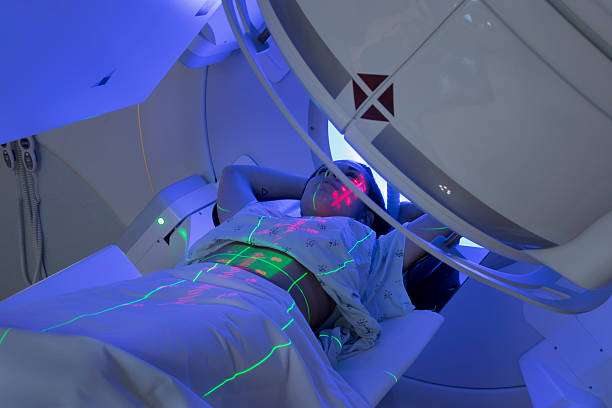
Lung cancer screening represents a significant advancement in detecting lung cancer at its earliest stages when it is most treatable. The primary method utilized is low-dose computed tomography (LDCT).
- Symptoms: Early lung cancer often has no obvious symptoms; however, persistent coughs, shortness of breath, or coughing up blood can be later indicators that warrant concern.
- Diagnosis: Screening involves yearly LDCT scans for individuals at high risk due to smoking history or other factors. If nodules are found on imaging tests, follow-up procedures like biopsies may be needed.
- Treatment Options: Treatment varies but can include surgical resection of tumors, radiation therapy, targeted therapies depending on genetic markers, and extensive chemotherapy regimens as necessary.
- What to Expect: Patients undergoing screening can expect clear guidelines on preparation before scans and personalized plans based on results following screening efforts.
Lung cancer screening drastically improves survival rates by facilitating prompt intervention.
COLONOSCOPY FOR COLORECTAL CANCER SCREENING
A colonoscopy is a vital procedure that allows physicians to examine the inner lining of the colon for abnormalities or signs of colorectal cancer. This procedure is generally recommended starting at age 45 or earlier for those with risk factors.
- Symptoms: Patients may present with symptoms such as blood in stools, unexplained weight loss, or persistent abdominal discomfort. However, many early-stage cancers show no symptoms at all.
- Diagnosis: During a colonoscopy, the physician uses a flexible tube with a camera to inspect the colon closely. Polyps can be removed during this procedure for further analysis.
- Treatment Options: If cancer is diagnosed, treatment may involve surgical removal, chemotherapy, radiation therapy, or targeted drug therapies based on the specific case.
- What to Expect: Patients are usually sedated during the procedure to ensure comfort. Post-procedure instructions will focus on recovery and discussing any findings with your healthcare provider.
This preventive measure is crucial for early detection and successful management of colorectal health issues.
BREAST CANCER SCREENING
Regular breast cancer screenings play an essential role in early detection and can significantly improve treatment outcomes. These procedures are typically recommended for women, particularly as they reach certain age milestones or have risk factors that increase their likelihood of developing breast cancer.
- Symptoms: Many patients may not experience early symptoms, making screening crucial. Common signs that may indicate the disease include lumps, changes in breast shape, or unusual discharge.
- Diagnosis: Diagnosis often begins with mammograms or ultrasound imaging. If abnormalities are detected, a biopsy may be performed to confirm the presence of cancer cells.
- Treatment Options: Depending on the stage and type of cancer, treatments may range from surgery and radiation therapy to hormonal therapies and chemotherapy.
- What to Expect: During screenings, patients can expect thorough evaluations and follow-up consultations where test results will be discussed in detail to plan further action if necessary.
Taking proactive steps through screenings can lead to earlier interventions, improving the chance of effective treatment.