
DrRKBhimwal MD
About Me
DrRKBhimwal MD
MD
Internal Medicine
Biography
My Clinic
OPD Hours
| Monday | Morning | 10:00 AM | - | 02:00 PM |
| Evening | 06:00 PM | - | 09:00 PM | |
| Tuesday | Morning | 10:00 AM | - | 02:00 PM |
| Evening | 06:00 PM | - | 09:00 PM | |
| Wednesday | Morning | 10:00 AM | - | 02:00 PM |
| Evening | 06:00 PM | - | 09:00 PM | |
| Thursday | Morning | 10:00 AM | - | 02:00 PM |
| Evening | 06:00 PM | - | 09:00 PM | |
| Friday | Morning | 10:00 AM | - | 02:00 PM |
| Evening | 06:00 PM | - | 09:00 PM | |
| Saturday | Morning | 10:00 AM | - | 02:00 PM |
| Evening | 06:00 PM | - | 09:00 PM | |
| Sunday | Morning | 10:00 AM | - | 02:00 PM |
| Evening | 06:00 PM | - | 09:00 PM |
Treatments
Specialised care and treatments offered
ANEMIA EVALUATION & TREATMENT
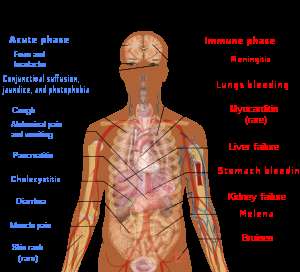
Anemia arises from insufficient healthy red blood cells carrying adequate oxygen throughout the body. Proper evaluation determines underlying causes which guide appropriate treatment methods effectively./
- Symptoms encompass fatigue weakness pallor among others representing reduced oxygen supply affecting overall stamina prominently.<
- A complete blood count (CBC) test plays an instrumental role broadly assisting clinicians in uncovering deficiencies contributing towards anemia stages reliably during assessment periods including iron-folate measurements where necessary-/ull>
- Treatments vary from dietary adjustments incorporating iron-rich foods supplementation alongside vitamin B12 injections promoting red cell production efficiently particularly resolving nutritional deficiencies swiftly.,/ll>
l* Monitoring hemoglobin levels remains critical guiding further modifications whenever administering interventions promptly aiding comprehensive recovery processes accordingly/p/
/
GASTROESOPHAGEAL REFLUX DISEASE (GERD) MANAGEMENT
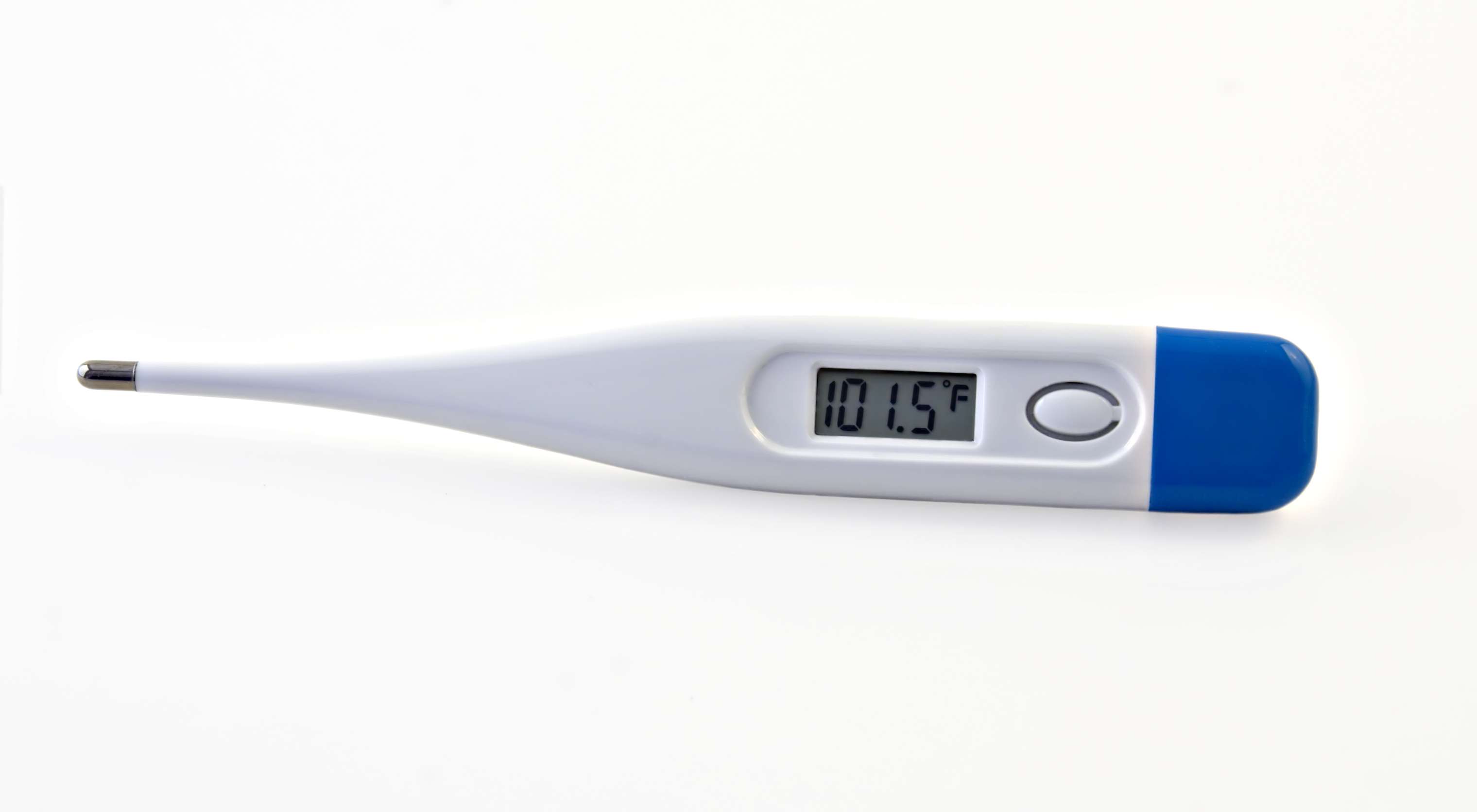
This chronic condition occurs when stomach acid frequently flows back into the esophagus causing irritation. Managing GERD effectively enhances quality of life considerably by alleviating uncomfortable symptoms.<
- The hallmark symptom is frequent heartburn; other indicators may include regurgitation or difficulty swallowing over time./l<
- A diagnosis often involves patient history reviews along with endoscopic examinations or pH monitoring tests./l<
- Treatment approaches emphasize lifestyle modifications alongside medication options like proton pump inhibitors (PPIs) or H2 blockers./l<
- Surgical intervention might be considered if conservative treatments fail unless specific contraindications exist./l<
- Pacing meals properly post-ingestion assists in mitigating reflux episodes significantly inside affected individuals./l
HYPERLIPIDEMIA TREATMENT
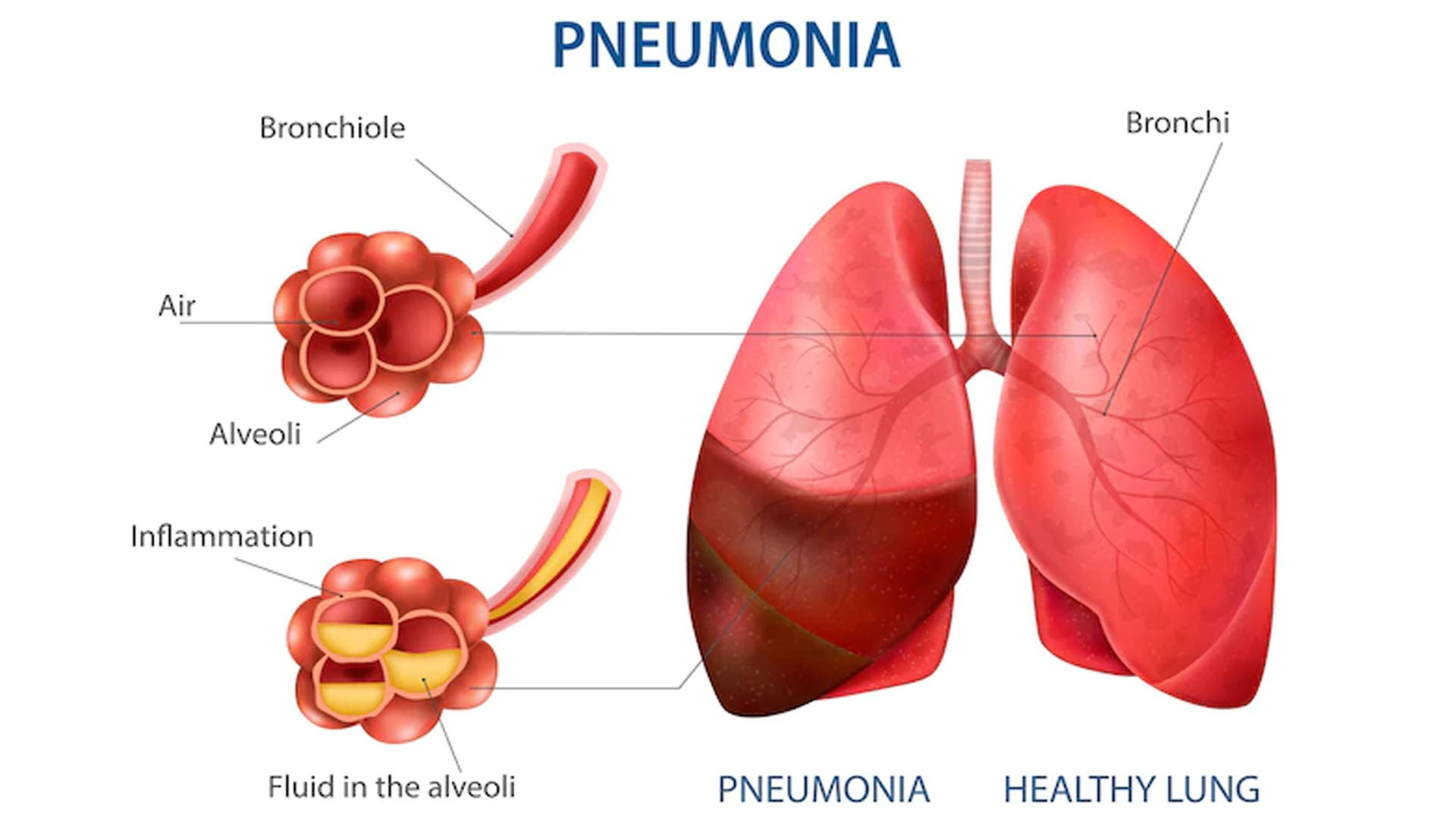
Hyperlipidemia refers to elevated levels of lipids in the blood which increase cardiovascular disease risks. Understanding lipid profiles helps manage this condition effectively.
- Symptoms may not be apparent; hence routine screening via blood tests are essential in identifying high cholesterol levels early on.<
- Causative factors include poor diet, lack of physical activity, obesity, genetics, and certain medical conditions that alter lipid metabolism.
CHRONIC OBSTRUCTIVE PULMONARY DISEASE (COPD) TREATMENT
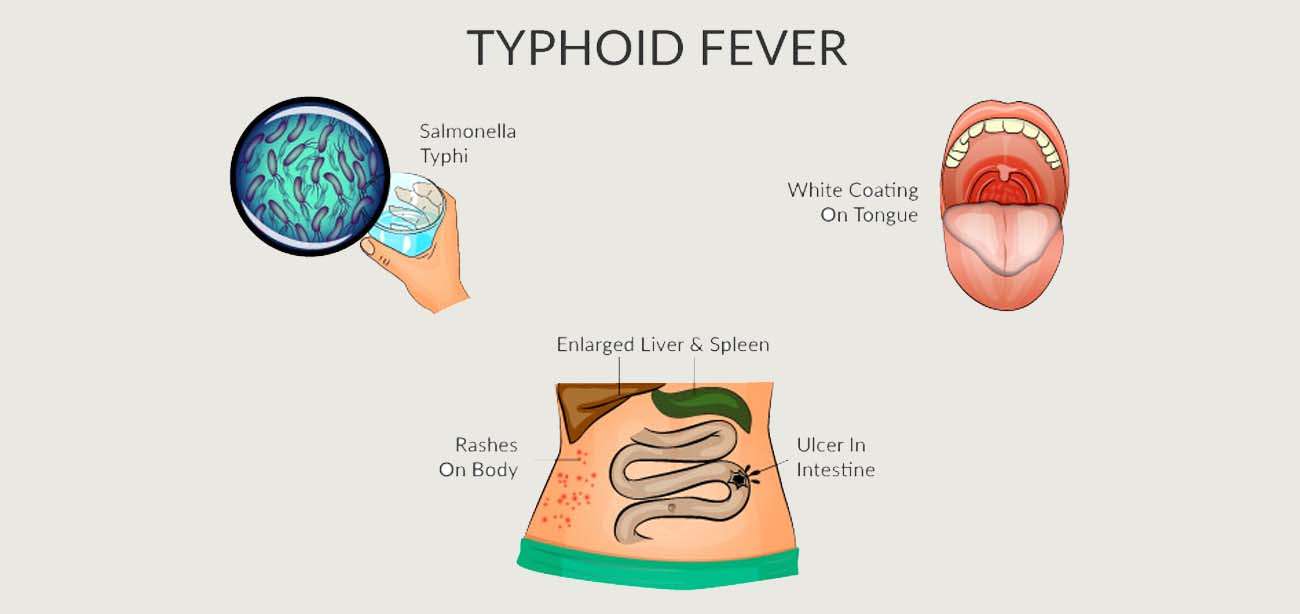
COPD encompasses a group of lung diseases, primarily emphysema and chronic bronchitis, that block airflow and make breathing difficult. Understanding this condition's intricacies is vital for effective management.
- Common symptoms include persistent cough, wheezing, shortness of breath during physical activity, and increased mucus production.
- A healthcare professional usually diagnoses COPD using spirometry, alongside medical history evaluations and imaging studies like chest X-rays.
- Treatment strategies focus on relieving symptoms and improving lung function through bronchodilators, corticosteroids, pulmonary rehabilitation, and oxygen therapy if needed.
- Lifestyle adjustments such as quitting smoking play a pivotal role in slowing disease progression and enhancing quality of life.
- Regular follow-ups allow for ongoing evaluation of pulmonary function and adjustment in treatment plans based on patient response.
An informed self-management strategy can significantly impact the daily lives of those living with COPD by improving respiratory health outcomes.
DIABETES MANAGEMENT
Diabetes is a chronic condition that affects how your body processes glucose. It requires ongoing management to prevent complications such as heart disease and nerve damage.
- The most common type is Type 2 diabetes, which often presents symptoms like increased thirst, frequent urination, and fatigue.
- A diagnosis is typically made through blood tests measuring glucose levels after fasting or post-meal assessments.
- Treatment includes lifestyle modifications such as diet and exercise along with medication, like insulin or oral hypoglycemic agents when necessary.
- Regular monitoring of blood sugar levels is essential to adjust treatment plans effectively over time.
- Pain management and attention to foot care are also important aspects of diabetic care that patients should prioritize.
A proactive approach to diabetes can help maintain quality of life while minimizing the risk of long-term complications.
HYPERTENSION MANAGEMENT
Hypertension, or high blood pressure, is a common yet serious condition that can lead to cardiovascular diseases if left untreated. Effective management involves understanding the various factors that contribute to elevated blood pressure levels.
- Symptoms may include headaches, shortness of breath, or nosebleeds, but often there are no noticeable symptoms.
- A healthcare provider diagnoses hypertension using blood pressure readings taken on different occasions along with assessing risk factors and overall health.
- Treatment options include lifestyle changes such as improved diet and exercise, as well as medications like diuretics or ACE inhibitors.
- Management entails regular monitoring of blood pressure levels to ensure they remain within a healthy range.
- Patients can expect a collaborative approach with their healthcare team to determine the best course of action tailored to their individual needs.
Understanding and managing hypertension is crucial for maintaining heart health and reducing the risk of serious complications in the future.