
DrRKMadhok
About Me
DrRKMadhok
MD
Dermatologist
Biography
My Clinic
OPD Hours
| Monday | Morning | 10:00 AM | - | 02:00 PM |
| Evening | 06:00 PM | - | 09:00 PM | |
| Tuesday | Morning | 10:00 AM | - | 02:00 PM |
| Evening | 06:00 PM | - | 09:00 PM | |
| Wednesday | Morning | 10:00 AM | - | 02:00 PM |
| Evening | 06:00 PM | - | 09:00 PM | |
| Thursday | Morning | 10:00 AM | - | 02:00 PM |
| Evening | 06:00 PM | - | 09:00 PM | |
| Friday | Morning | 10:00 AM | - | 02:00 PM |
| Evening | 06:00 PM | - | 09:00 PM | |
| Saturday | Morning | 10:00 AM | - | 02:00 PM |
| Evening | 06:00 PM | - | 09:00 PM | |
| Sunday | Morning | 10:00 AM | - | 02:00 PM |
| Evening | 06:00 PM | - | 09:00 PM |
Treatments
Specialised care and treatments offered
HYPERPIGMENTATION
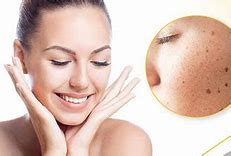
This condition manifests as darker areas on the skin caused by excess melanin production. It often results from sun exposure but can also be influenced by hormonal changes or medications. Understanding hyperpigmentation helps patients manage their skin appearance effectively.
Symptoms: Darkened patches commonly appear on sun-exposed areas such as hands face neck etc., which may cause cosmetic concerns.Hyperpigmentation might not affect one's health but has significant implications emotionally; hence pursuing suitable treatments becomes paramount!
SKIN CANCER SCREENING
This crucial preventive measure involves assessing moles and other skin abnormalities that could indicate cancerous changes. Early detection is vital for better outcomes in treating skin cancers such as melanoma, basal cell carcinoma (BCC), and squamous cell carcinoma (SCC).
ROSACEA
This chronic skin condition causes facial redness and visible blood vessels. It commonly affects adults aged 30-50 years but can appear in younger people as well. Understanding rosacea is important for effective management.
- Symptoms: Primarily includes blush-like redness across the cheeks and nose along with potential bumps resembling acne.
- Causative factors: Potential triggers include hot drinks, alcohol consumption, sun exposure, and spicy foods that may exacerbate symptoms.
- Disease confirmation: Diagnosis is generally made through clinical evaluation of the symptoms presented by the patient.
A proactive approach aids in managing rosacea effectively over time while minimizing flare-ups and discomforts associated with it.
ECZEMA (ATOPIC DERMATITIS)
This inflammatory skin condition causes red, itchy patches on the skin. It often appears in early childhood but can occur at any age. Eczema varies from mild to severe cases that require careful management.
- Symptoms: Characterized by dry skin, intense itching, and sometimes blistering or oozing lesions.
- Causes: Triggers may include allergens like pollen or pet dander, stress, or irritants like soaps.
- Diagnosis: Healthcare providers typically diagnose eczema based on patient history and clinical examination.
- Treatment options: Management often involves moisturizers, topical corticosteroids to reduce inflammation, and lifestyle modifications to avoid triggers.
Eczema can be effectively managed with personalized strategies to minimize flare-ups and discomfort.
PSORIASIS
This chronic autoimmune condition results in the rapid growth of skin cells, leading to thick red patches covered with silver scales. It can significantly impact quality of life.
- Symptoms: Commonly includes dry patches that may itch or burn.
- Causes: Although the exact cause is unknown, genetics and environmental factors play a critical role.
- Diagnosis: Usually confirmed through physical examination and possibly a biopsy if needed for clear identifications.
- Treatment options: Various therapies are available including topical treatments, phototherapy, and systemic medications for more severe cases.
A tailored approach is essential for effective management of psoriasis and improving overall well-being.
ACNE VULGARIS
Acne vulgaris is a common skin condition that primarily affects adolescents and young adults. It occurs when hair follicles become clogged with oil and dead skin cells, leading to various types of blemishes.
- Symptoms: Includes pimples, blackheads, and cysts, which can vary in severity.
- Causes: Factors such as hormonal changes, diet, and stress can contribute to its development.
- Diagnosis: Typically diagnosed via physical examination by a healthcare provider.
- Treatment options: May include topical retinoids, oral antibiotics, or hormonal treatments depending on severity.
- Management: Regular skincare routines and avoiding known triggers are vital for long-term management.
With appropriate treatment plans, individuals can effectively manage acne and improve their skin's appearance.